

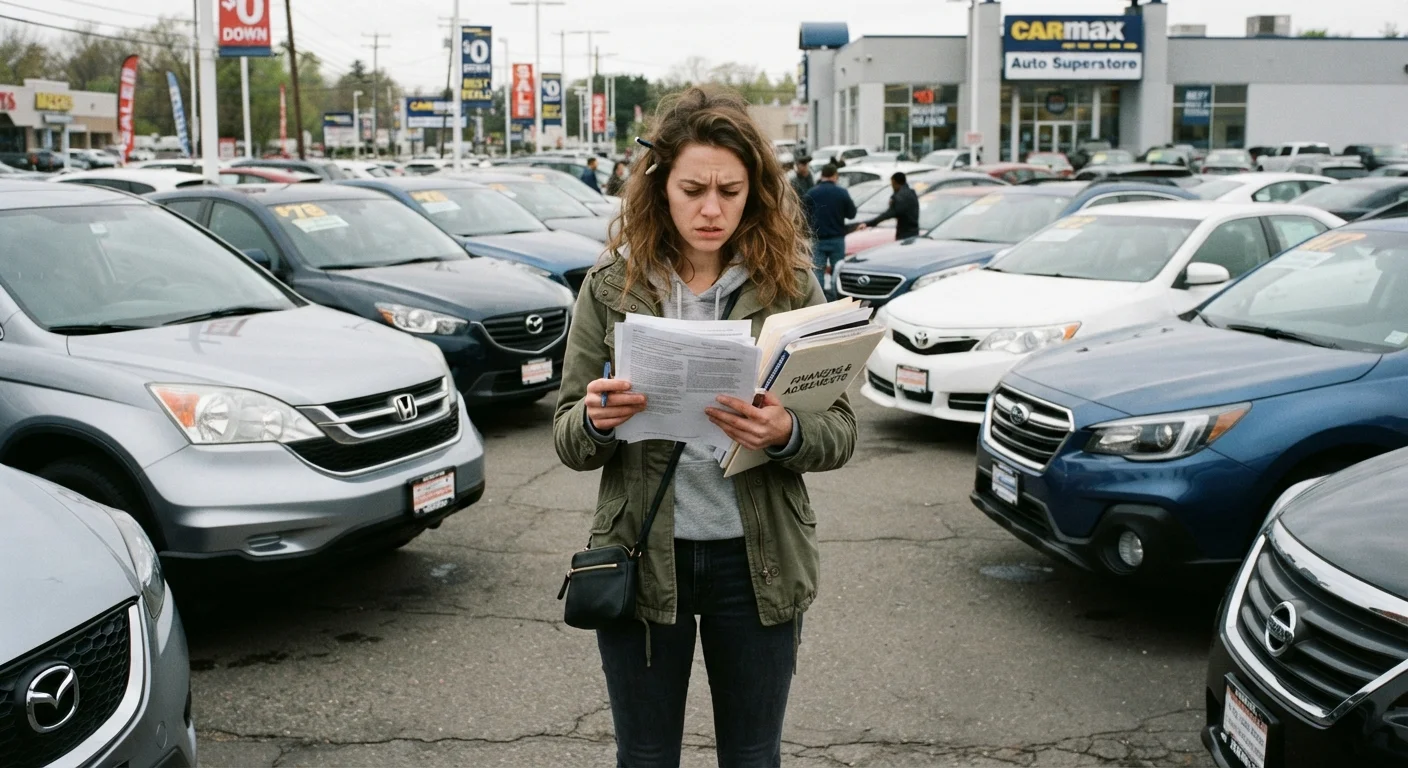
Why First-Time Buyers Are Especially Vulnerable
Buying a car for the first time involves an unfamiliar process, a high-pressure environment, and a significant financial commitment - often all at once. That combination makes it easy to overlook details that experienced buyers treat as routine. The mistakes covered here are not rare edge cases; they are the gaps that consistently catch new buyers out, sometimes costing thousands of dollars they had no idea they were leaving on the table.
Understanding where the process goes wrong is the most practical preparation you can do. See also the full car-buying process walkthrough for a stage-by-stage overview before you begin.
The Most Common Mistakes - And How to Avoid Them
Each of the following errors is entirely preventable with a little preparation. They are presented roughly in the order you are likely to encounter them during the buying process.
Fixating on monthly payment instead of total cost.
Why it happens: Monthly payments feel tangible and manageable, so buyers anchor to that number without calculating what the full loan adds up to.
Skipping the pre-purchase inspection on a used vehicle.
Why it happens: Buyers assume a certified used label or dealer warranty covers everything, or they feel awkward requesting an inspection during negotiations.
Ignoring the true cost of ownership beyond the purchase price.
Why it happens: New buyers focus on what they can afford today without projecting ongoing expenses like insurance, fuel, registration, and maintenance.
Letting the trade-in and new purchase get bundled together in negotiation.
Why it happens: Dealers often present one blended figure, which makes it hard to know if you received fair value on either the trade-in or the purchase price.
Skipping a proper test drive - or not knowing what to assess during one.
Why it happens: Buyers feel time pressure or trust the vehicle's appearance and description without driving it in conditions that reflect their real use.
Signing finance and add-on documents without reading them carefully.
Why it happens: Dealership closings can feel rushed, and lengthy contracts can be intimidating, leading buyers to sign without fully understanding what they are agreeing to.
Pre-Purchase Inspection Is Non-Negotiable
On any used vehicle, an independent inspection by a qualified mechanic - not the selling dealer's technician - can surface hidden mechanical problems before you commit. The cost is typically modest compared to the repairs it may prevent. If a seller refuses to allow an independent inspection, treat that as a significant red flag.
Once you have settled on a model, make sure you are reading listings accurately. Dealer and private-seller ads use specific language patterns worth understanding - our guide on reading a car listing without being misled explains what phrases deserve extra scrutiny.
Monthly Payment Framing Can Be Misleading
Dealers sometimes extend loan terms to 72 or 84 months to make a payment seem affordable. A lower monthly figure stretched over more years often means paying thousands more in total interest. Always calculate the full loan cost - principal plus all interest - before agreeing to any financing arrangement.
What to Research Before You Start Shopping
Going in without research leaves you dependent on whoever is selling the car. Before visiting any dealership or private seller, spend time understanding the models you are interested in. Key questions to ask when researching a car model help you cut through marketing language and focus on what actually matters.
Also confirm you have insurance arranged before or immediately after purchase - it is a legal requirement in every U.S. state. If this is your first policy, a practical introduction to insurance for first-timers walks through the core concepts clearly. Once you own the vehicle, having a plan for ongoing car maintenance will protect its value and your safety long term.
72-84 mo.
Common extended auto loan terms offered to buyers
Consumer Financial Protection Bureau data shows longer loan terms have become increasingly common, significantly raising total interest paid.
$1,000+
Typical cost of hidden repairs found during pre-purchase inspections
Industry mechanics consistently report that undisclosed mechanical issues on used vehicles often reach four figures once properly diagnosed.
The content on this site is for informational purposes only and is not a substitute for professional advice. Always consult a qualified professional for guidance specific to your situation.