

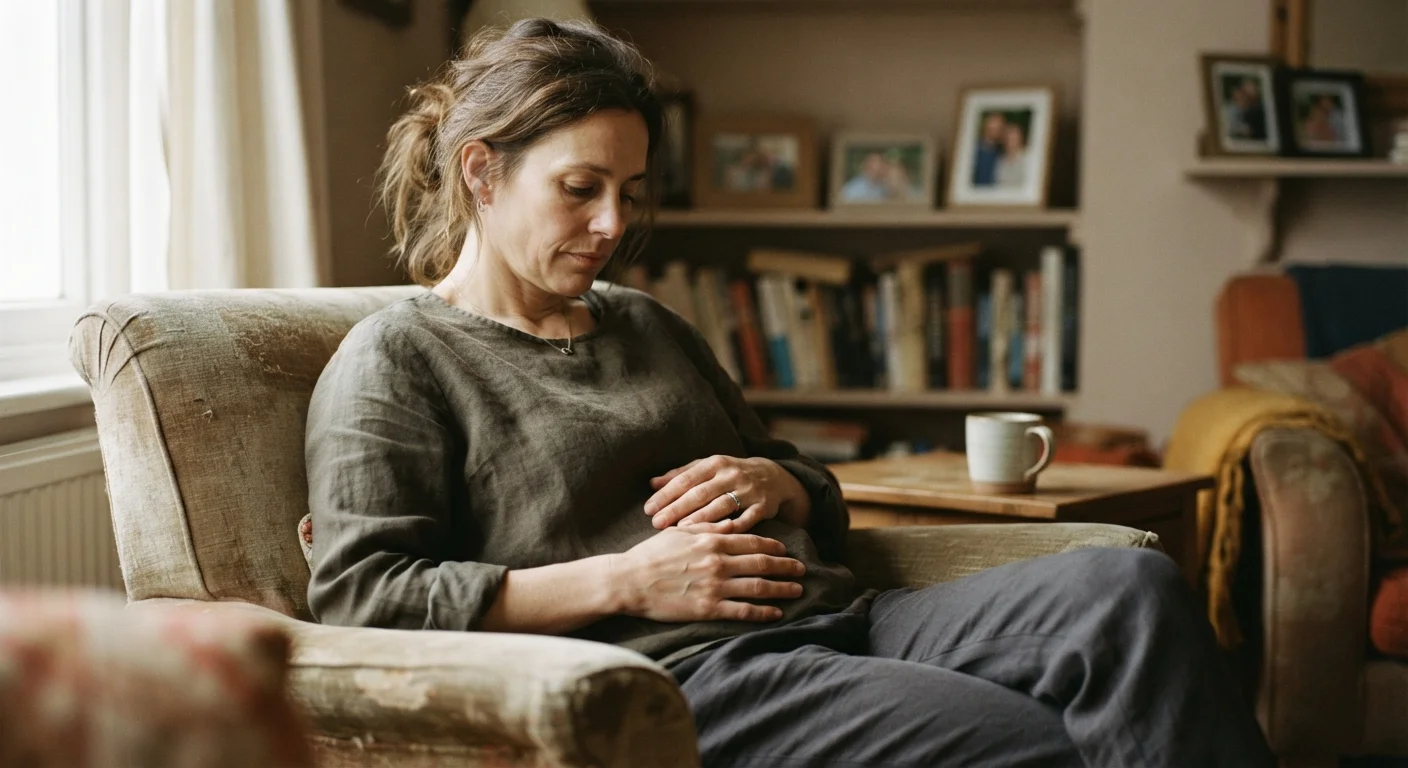
Why Endometriosis Goes Unrecognised for So Long
Endometriosis is one of the most commonly misunderstood and misdiagnosed conditions in women's health. Research consistently shows that people in the United States wait an average of 7 to 10 years from first experiencing symptoms to receiving a confirmed diagnosis. That delay is not accidental - it reflects a broader cultural and medical tendency to normalise pain that affects people with menstrual cycles.
Symptoms are frequently attributed to routine period discomfort, irritable bowel syndrome, or anxiety. When pain is dismissed as ordinary, patients may stop reporting it - or accept suffering as inevitable. Understanding which symptoms deserve medical attention is a critical first step toward earlier care.
7-10 years
Average diagnostic delay in the US
Research published in peer-reviewed gynecology literature consistently documents this prolonged gap between symptom onset and confirmed diagnosis.
1 in 10
Reproductive-age women affected
The World Health Organization estimates that endometriosis affects approximately 10% of women and girls of reproductive age worldwide.
~190 million
People affected globally
According to the World Health Organization, endometriosis affects an estimated 190 million people of reproductive age around the world.
As our article on why period pain isn't always "just cramps" explains, normalising severe menstrual pain can directly delay diagnosis of conditions like endometriosis.
Symptoms That Are Frequently Overlooked
Endometriosis symptoms vary widely between individuals, which is part of why the condition eludes diagnosis for so long. The following are among the most commonly dismissed signs:
- Pelvic pain outside of menstruation: Chronic pelvic pain that occurs throughout the month - not only during a period - is a hallmark feature that is often minimised or misattributed.
- Pain during or after sex: Deep pain during intercourse (dyspareunia) is reported by many people with endometriosis and is frequently underreported due to embarrassment or normalisation.
- Bowel and bladder symptoms: Painful bowel movements, diarrhea, constipation, or pain when urinating - especially around menstruation - may indicate endometriosis affecting nearby organs.
- Heavy or irregular bleeding: Unusually heavy periods or bleeding between cycles are worth discussing with a provider, though these symptoms have multiple possible causes.
- Fatigue that doesn't resolve with rest: Persistent exhaustion is frequently overlooked as an endometriosis symptom. Chronic inflammation and pain both contribute to significant energy depletion.
- Difficulty conceiving: For some people, unexplained fertility challenges are the first signal that prompts investigation and eventual diagnosis.
Keep a symptom diary before your appointment
Recording your symptoms over one to two full menstrual cycles gives your healthcare provider a much clearer picture than memory alone. Note the type, location, and intensity of pain; any bowel or bladder changes; fatigue levels; and how symptoms affect your daily activities. A written record reduces the chance that key details are forgotten or glossed over during a short appointment.
It is important to note that symptom severity does not reliably predict disease stage. Someone with relatively mild discomfort may have extensive endometrial lesions, while someone with severe pain may have minimal visible disease.
How to Advocate for Yourself
Many people leave medical appointments feeling their concerns were not taken seriously. Advocacy is not about confrontation - it is about providing the clearest, most detailed picture of your experience so a provider can respond appropriately.
Track your symptoms systematically. Note pain location, intensity on a 1-10 scale, duration, and any connection to your menstrual cycle. Document how symptoms affect your daily functioning - whether they prevent exercise, work, sleep, or normal activity. This concrete record is far more actionable than a general statement like "I have bad cramps."
If your concerns are dismissed without investigation, it is entirely appropriate to seek a second opinion or request a referral to a gynecologist with experience in endometriosis. Our guide to communicating clearly with your GP offers practical approaches for getting the most from healthcare appointments.
This article is for general informational and educational purposes only and does not constitute medical advice. If you are experiencing symptoms that concern you, please consult a qualified healthcare professional for personalised guidance.
Frequently Asked Questions
Yes. Some people with endometriosis experience little to no period pain, while their primary symptoms involve the bowel, bladder, or fertility challenges. The absence of severe cramps does not rule out the condition.
A definitive diagnosis requires laparoscopy - a minimally invasive surgical procedure in which a surgeon visually inspects the pelvic cavity and can take a tissue biopsy. Imaging like ultrasound or MRI may detect some forms, but cannot rule out the condition entirely.
Not always. While endometriosis is associated with fertility difficulties, many people with the condition conceive without medical assistance. The relationship between endometriosis and fertility is complex and varies widely by individual.
Be specific and detailed: describe the location, timing, and intensity of your pain, how symptoms affect daily activities, and any patterns you've noticed across your menstrual cycle. Keeping a symptom diary before your appointment can help. See our <a href="/health-wellness/womens-health/communicating-clearly-with-your-gp-about-womens-health-concerns">guide to communicating with your doctor</a> for practical strategies.
Endometriosis is currently considered a chronic condition with no known cure, though symptoms often improve after menopause. Various medical and surgical treatments can significantly reduce symptoms and improve quality of life for many people.
The content on this site is for informational purposes only and is not a substitute for professional advice. Always consult a qualified professional for guidance specific to your situation.