

Why Iron Deficiency Anaemia Is Commonly Misunderstood
Iron deficiency anaemia occurs when the body lacks enough iron to produce adequate haemoglobin - the protein in red blood cells that carries oxygen to tissues. Among women, particularly those who menstruate, are pregnant, or have recently given birth, it is one of the most prevalent nutritional deficiencies worldwide.
Despite how common it is, a surprising number of myths surround the condition. Some are harmless misunderstandings; others can lead women to delay seeking care or self-treat in ways that are ineffective or even counterproductive. What follows is a fact-based look at the most persistent misconceptions - and what the evidence actually shows.
This article is for general health information purposes only and is not a substitute for professional medical advice. If you have symptoms or concerns about your health, consult a qualified healthcare provider.
Myth
Feeling tired all the time is just a normal part of being a woman.
Fact
Persistent fatigue is a recognized symptom that warrants medical investigation, not a baseline condition to accept.
Fatigue is one of the most common complaints associated with iron deficiency anaemia, alongside shortness of breath, pale skin, and difficulty concentrating. While life demands can cause tiredness, chronic or worsening exhaustion that interferes with daily function is not something to dismiss. A simple blood test measuring haemoglobin and ferritin levels can determine whether iron deficiency is a contributing factor. Normalizing persistent fatigue delays diagnosis and treatment.
Myth
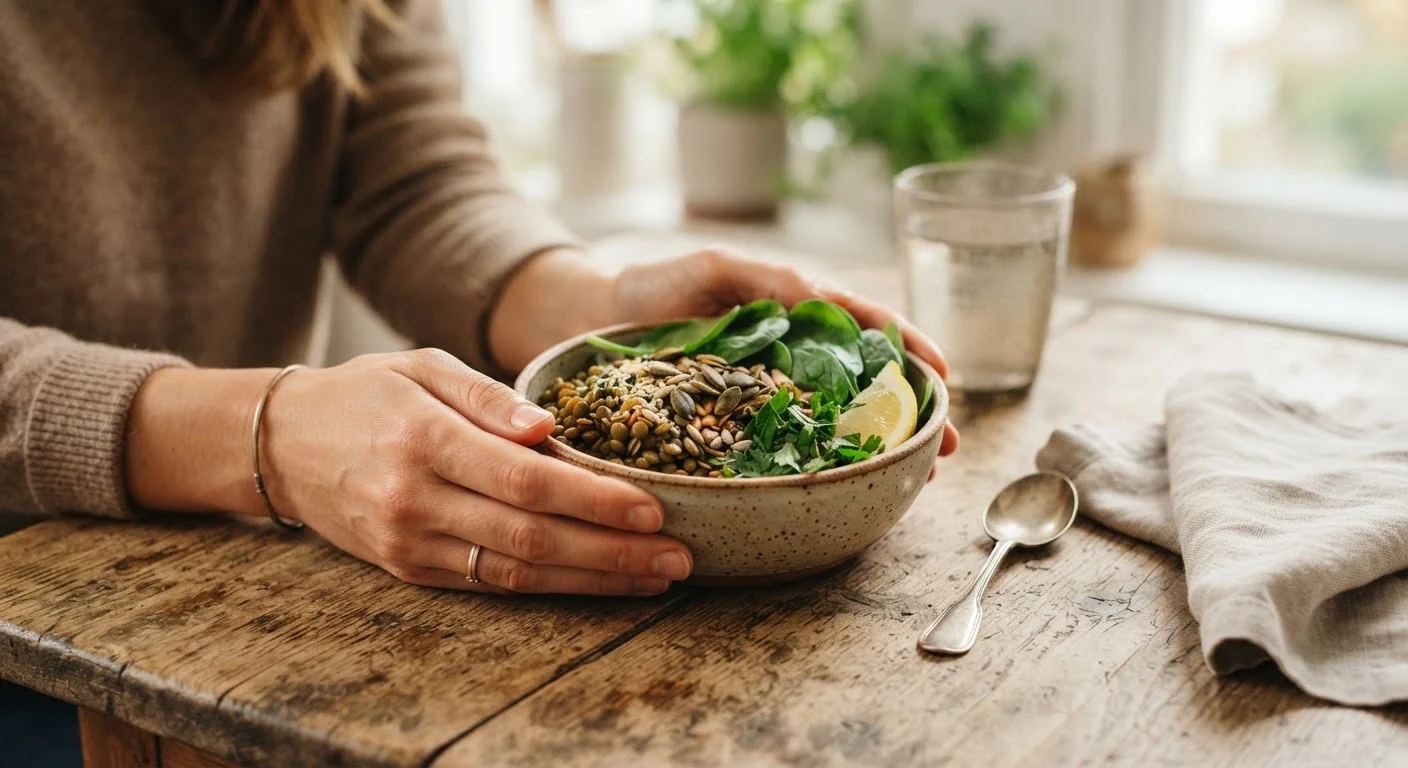
Eating more spinach will fix iron deficiency anaemia.
Fact
Spinach contains iron, but its bioavailability is low, and dietary changes alone rarely correct a confirmed deficiency.
Spinach and other leafy greens contain non-haem iron, which the body absorbs far less efficiently than haem iron found in animal products like red meat and shellfish. Additionally, spinach contains oxalates, which can further inhibit iron absorption. While a varied diet rich in iron-containing foods is valuable for prevention, established iron deficiency anaemia - especially moderate to severe cases - typically requires more than dietary adjustment. A healthcare provider may recommend iron supplementation or investigate underlying causes such as heavy menstrual bleeding.
Myth
Iron supplements are safe for anyone to take without a doctor's guidance.
Fact
Excess iron is harmful; supplementation should only begin after confirmed deficiency through blood testing.
Iron is a pro-oxidant mineral, and taking supplements when levels are already normal or elevated can cause gastrointestinal side effects and, in cases of iron overload, contribute to organ damage. A condition called hereditary haemochromatosis causes the body to absorb too much iron - making unsupervised supplementation genuinely dangerous for those affected. The appropriate dose, form, and duration of iron supplementation vary by individual and should be determined by a qualified healthcare professional based on test results.
Myth
Only women with heavy periods get iron deficiency anaemia.
Fact
Heavy menstrual bleeding is a major risk factor, but not the only one - diet, pregnancy, and absorption issues also contribute.
While heavy or prolonged menstrual bleeding does significantly increase the risk of iron loss, other factors play important roles. These include diets low in bioavailable iron (particularly vegetarian or vegan diets without careful planning), pregnancy and breastfeeding (which substantially increase iron demands), gastrointestinal conditions such as coeliac disease that impair nutrient absorption, and chronic blood loss from other sources. Postmenopausal women and those who don't menstruate heavily can still develop iron deficiency, and their symptoms deserve equal attention.
Myth
You can tell if you have iron deficiency anaemia just by looking at your nails or eyelids.
Fact
Physical signs like pallor or spoon-shaped nails are associated with anaemia but are not reliable diagnostic tools.
Some physical signs - such as pale inner eyelids, brittle or concave nails, and a smooth or sore tongue - are recognized clinical indicators that may prompt a doctor to investigate further. However, these signs are neither sensitive nor specific enough to confirm a diagnosis on their own. Many people with iron deficiency anaemia show no obvious visible changes, while others with these signs may have different underlying conditions. A blood panel measuring full blood count, serum ferritin, and transferrin saturation is the appropriate diagnostic method.
Getting Tested and Getting Treatment Right
One recurring theme across these myths is the temptation to self-diagnose and self-manage. Iron deficiency anaemia has overlapping symptoms with other conditions - including thyroid disorders, vitamin B12 deficiency, and depression - making professional evaluation essential rather than optional.
Always Confirm Before Supplementing
Do not begin taking iron supplements based on symptoms alone. Iron deficiency anaemia must be confirmed through blood tests ordered by a healthcare provider. Taking iron when it is not needed can be harmful, and the underlying cause of any deficiency must also be identified and addressed - not just the deficiency itself.
If a healthcare provider confirms iron deficiency anaemia, treatment is typically tailored to the underlying cause and severity. Dietary changes are frequently recommended alongside other interventions, but the right approach for any individual depends on their specific circumstances. Nutrition myths affect men too - common nutrition misconceptions persist across genders, and separating fact from folklore benefits everyone.
~30%
of women of reproductive age affected globally
The World Health Organization estimates that anaemia - with iron deficiency as the leading cause - affects roughly 30% of non-pregnant women of reproductive age worldwide.
2-3x
greater iron needs during pregnancy
Recommended iron intake roughly doubles or triples during pregnancy to support fetal development and increased maternal blood volume, according to established dietary reference values.
Understanding what iron deficiency anaemia actually is - and is not - empowers women to seek timely, appropriate care rather than dismissing symptoms or relying on incomplete remedies.
The content on this site is for informational purposes only and is not a substitute for professional advice. Always consult a qualified professional for guidance specific to your situation.