

Start here
What Is PCOS?
Next
Common Symptoms
Then
How Is PCOS Diagnosed?
When you're ready
Approaches to Managing PCOS
Take action
When to Talk to a Doctor
What Is PCOS?
Polycystic ovary syndrome, commonly known as PCOS, is one of the most prevalent hormonal conditions affecting women of reproductive age. Estimates suggest it affects roughly 6-12% of women in the United States, according to the CDC - yet it remains frequently misdiagnosed or misunderstood.
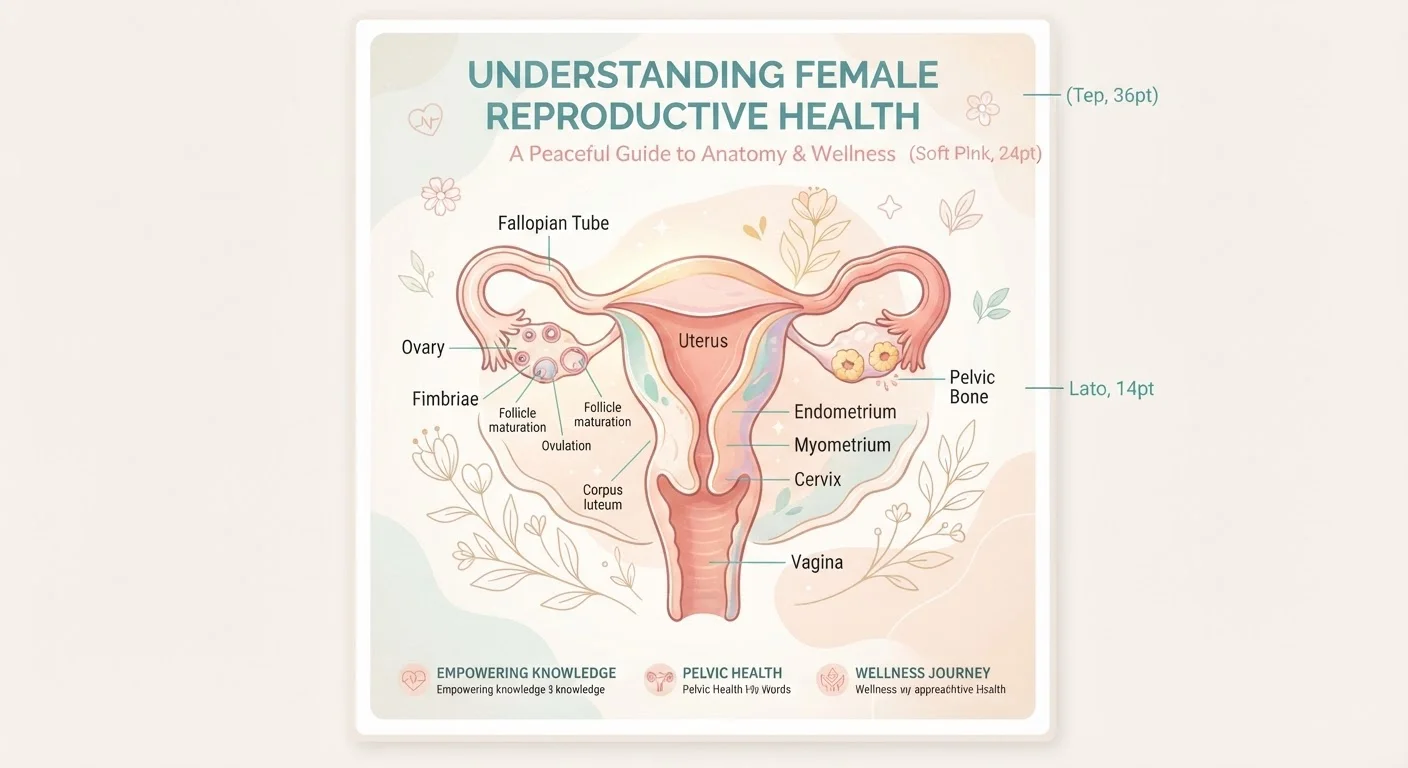
At its core, PCOS involves an imbalance in reproductive hormones. The ovaries may produce higher-than-typical levels of androgens (often called "male hormones," though all women produce them in small amounts). This hormonal disruption can interfere with the development and release of eggs during the menstrual cycle.
Despite its name, the condition is not defined by cysts alone. It is better understood as a syndrome - meaning a cluster of signs and symptoms that tend to occur together - with significant variation from person to person.
Androgens
A group of hormones - including testosterone - that are present in all people but typically found at higher levels in those with PCOS. Elevated androgens drive many of the outward symptoms of the condition.
Insulin resistance
A state in which the body's cells don't respond as effectively to insulin, the hormone that regulates blood sugar. Many people with PCOS have some degree of insulin resistance, which can affect weight, hormones, and metabolic health.
Ovulation
The process by which an ovary releases a mature egg, typically once per menstrual cycle. In PCOS, ovulation may be irregular, infrequent, or absent.
Rotterdam criteria
The widely used diagnostic guidelines for PCOS, established by a medical consensus group. A diagnosis requires meeting at least two of three defined features: irregular ovulation, elevated androgens, and polycystic-appearing ovaries.
Hirsutism
A medical term for excess hair growth in areas where it is not typical for women, such as the face, chest, or abdomen. It is one of the visible signs of elevated androgens in PCOS.
Common Symptoms
PCOS presents differently in different people, which is one reason it can take time to diagnose. Some individuals have several noticeable symptoms; others have very few. The most commonly reported include:
- Irregular or absent menstrual periods - cycles that are unpredictable, very long, or infrequent
- Excess androgen effects - such as unwanted facial or body hair (hirsutism), acne, or scalp hair thinning
- Polycystic-appearing ovaries - ovaries that appear enlarged or contain many small follicles on ultrasound
- Difficulty with weight - many (though not all) people with PCOS experience weight gain or difficulty managing weight
- Mood changes - higher rates of anxiety and depression are reported in people with PCOS, though the relationship is complex
It's important to note that having one or two of these symptoms does not automatically mean PCOS is present. Many of these features overlap with other conditions, which is why professional evaluation matters.
Track Your Cycles Before Your Appointment
Keeping a record of your menstrual cycle length, regularity, and any associated symptoms over several months can give your healthcare provider valuable information. Apps, a calendar, or a simple notebook all work. The more detail you can share, the easier it is to identify a pattern.
How Is PCOS Diagnosed?
There is no single test for PCOS. Healthcare providers typically use a framework called the Rotterdam criteria, which requires a person to meet at least two of the following three features:
- Irregular or absent ovulation (often reflected in irregular periods)
- Clinical or laboratory evidence of elevated androgens
- Polycystic-appearing ovaries on ultrasound
Before confirming PCOS, a provider will also work to rule out other conditions that can cause similar symptoms - such as thyroid disorders or elevated prolactin levels. This usually involves blood tests, a pelvic exam, and sometimes an ultrasound.
PCOS Looks Different in Every Person
There is no single "classic" presentation of PCOS. Some people have all three Rotterdam features; others meet only two. Symptom severity, body weight, and metabolic markers can all vary significantly. This variability is one reason PCOS is often underrecognized and why individualized clinical evaluation is so important.
Because symptoms can be subtle and overlap with other conditions, diagnosis sometimes takes multiple visits or consultations with a specialist such as an endocrinologist or gynecologist.
Approaches to Managing PCOS
There is currently no cure for PCOS, but symptoms and associated health risks can often be managed effectively. Treatment is typically tailored to an individual's specific symptoms and goals - for example, whether someone is primarily concerned about menstrual regularity, fertility, skin symptoms, or metabolic health.
General approaches may include:
- Lifestyle modifications - Regular physical activity and a balanced, nutrient-rich diet are frequently recommended as foundational steps, particularly when insulin resistance is a factor.
- Medications - Various prescription medications are used to address specific symptoms, such as hormonal contraceptives for cycle regulation or medications that address insulin sensitivity. These are prescribed and monitored by a healthcare provider.
- Mental health support - Given the association between PCOS and mood concerns, counseling or therapy may be a valuable part of a broader care plan.
- Regular monitoring - Long-term health considerations, including cardiovascular health and blood sugar regulation, make ongoing medical follow-up important.
Avoid Self-Diagnosing or Self-Treating
Because PCOS symptoms overlap with several other conditions, self-diagnosis based on online information alone can lead to unnecessary anxiety or missed diagnoses. Similarly, starting supplements or treatments without medical guidance may interfere with an accurate diagnosis or appropriate care. Always work with a licensed healthcare provider before making changes based on a suspected PCOS diagnosis.
When to Talk to a Doctor
If you are experiencing irregular periods, unexplained changes in hair growth or skin, difficulty conceiving, or other symptoms described in this article, speaking with a healthcare provider is a worthwhile first step. Early evaluation can help rule out other conditions and - if PCOS is present - allow for proactive management.
PCOS is a manageable condition for many people. With the right professional support and individualized care, it is possible to address symptoms and reduce long-term health risks meaningfully.
Office on Women's Health - PCOS
The U.S. Department of Health and Human Services' Office on Women's Health offers a comprehensive, plain-language overview of PCOS covering symptoms, diagnosis, and treatment options backed by federal health guidance.
PCOS Awareness Association
A nonprofit organization dedicated to PCOS education and support. Offers resources for those newly diagnosed and those looking for peer community and advocacy information.
CDC - Women's Reproductive Health
The Centers for Disease Control and Prevention provides epidemiological data and public health information on conditions like PCOS, useful for understanding prevalence and associated health risks.
This article is intended for general informational and educational purposes only. It is not a substitute for professional medical advice, diagnosis, or treatment. Always consult a qualified healthcare provider with any questions you may have about a medical condition.
Frequently Asked Questions
Despite the name, not everyone with PCOS has ovarian cysts, and having ovarian cysts alone does not mean you have PCOS. The condition is defined by a pattern of hormonal and metabolic features, not solely by cysts. A healthcare provider uses multiple criteria to reach a diagnosis.
Many people with PCOS do conceive, though irregular ovulation can make it more challenging. Fertility treatments and lifestyle interventions have helped many individuals with PCOS achieve pregnancy. A reproductive endocrinologist or OB-GYN can discuss options tailored to individual circumstances.
PCOS is generally considered a lifelong condition, though symptoms can change over time - sometimes improving after menopause. Ongoing management of related health risks, such as metabolic concerns, remains relevant throughout life. Regular check-ins with a healthcare provider are recommended.
The exact cause is not fully understood, but genetics, insulin resistance, and hormonal imbalances are all thought to play a role. Research suggests PCOS tends to run in families. Environmental and lifestyle factors may also influence how the condition develops or presents.
For many individuals, modest lifestyle changes - such as regular physical activity and a balanced diet - can help improve insulin sensitivity and reduce symptom severity. These are often recommended as a first-line approach alongside medical care. No single diet or exercise plan works for everyone, so personalized guidance matters.
No - PCOS and endometriosis are distinct conditions, though both affect the reproductive system and can impact menstrual cycles. Endometriosis involves uterine-like tissue growing outside the uterus, while PCOS is a hormonal and metabolic syndrome. Some individuals may have both conditions simultaneously.
The content on this site is for informational purposes only and is not a substitute for professional advice. Always consult a qualified professional for guidance specific to your situation.