

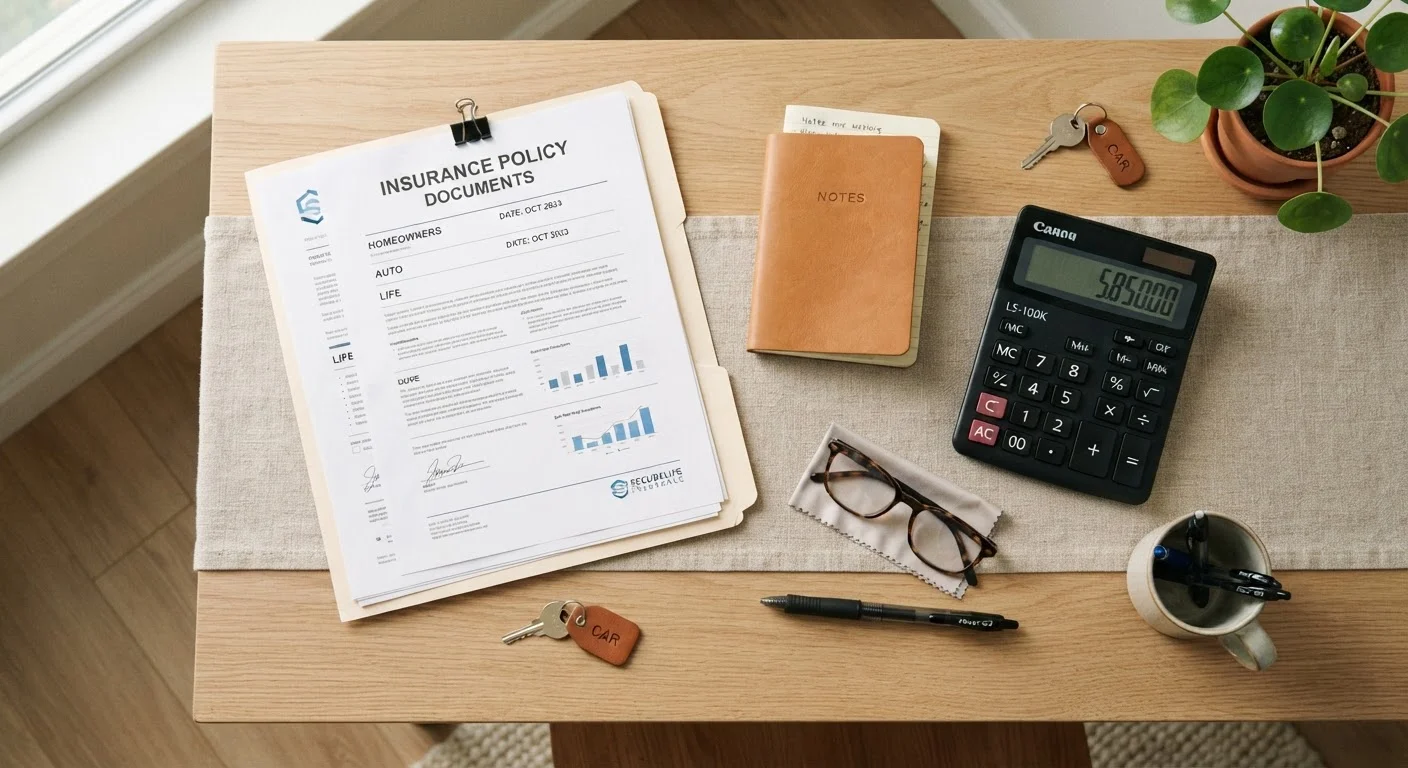
What Filing a Claim Actually Means
An insurance claim is a formal request asking your insurer to pay for a covered loss according to the terms of your policy. If you're new to how insurance works, our plain-language overview of how insurance works covers the foundational concepts — including what premiums, deductibles, and coverage limits mean in practice.
Claims can feel unfamiliar or intimidating, especially during a stressful event like a car accident, a house fire, or an unexpected medical bill. The good news is that most claims — regardless of the type of insurance — follow a similar sequence of steps. Knowing what to expect at each stage helps you stay organized, respond promptly, and advocate for yourself if something goes wrong.
Read Your Policy Before You Need It
Coverage limits, deductibles, and exclusions vary significantly between policies and providers. A claim that seems straightforward can hit an unexpected exclusion if you haven't reviewed your documents. Pull out your declarations page and familiarize yourself with what is and isn't covered before a loss occurs — not after.
Before walking through the steps, gather the prerequisites and tools listed above. Having them on hand will make each stage move faster.
What you will need
Insurance Policy Documents
Confirms your coverage, limits, deductible, and any exclusions that apply to your claim.
Photo or Video Evidence
Documents the damage or loss visually, which supports your claim during the adjuster's review.
Police or Incident Report
Required for certain claim types (theft, accidents) as official third-party documentation of the event.
Receipts or Proof of Ownership
Helps establish the value of damaged or lost property so the insurer can calculate a fair settlement.
How the Claims Process Unfolds Step by Step
The six steps below reflect how most standard insurance claims work — whether you're dealing with auto, homeowners, renters, or another common policy type. Your specific insurer and policy may have variations, so always refer to your own documentation.
Notify your insurer as soon as possible
Contact your insurance company or agent promptly after the loss. Most insurers offer multiple reporting channels — phone, app, or online portal. Have your policy number ready and be prepared to describe what happened, when, and where. This formal notification is often called the First Notice of Loss (FNOL).
Document the damage or loss thoroughly
Before making any repairs or disposing of damaged items, photograph or video everything. Create a written inventory of damaged property, including approximate values and purchase dates where you can recall them. For incidents like car accidents or break-ins, obtain any available police or incident report numbers.
Complete and submit the claim form
Your insurer will typically ask you to fill out a formal claims form — either digitally or on paper. Answer every question accurately and completely. Provide the supporting documentation you gathered: photos, receipts, reports, and any correspondence related to the loss. Incomplete forms are a common reason claims are delayed.
Work with the claims adjuster
After you file, the insurer assigns a claims adjuster — a professional who investigates the loss, verifies the facts, and estimates the damage. The adjuster may inspect your property in person, review your documentation, or request additional information. Cooperate fully and respond to requests promptly, as delays on your end can slow the entire process.
Review the settlement offer
Once the adjuster completes their review, the insurer will issue a settlement decision — approving, partially approving, or denying the claim, and stating a payout amount if applicable. This figure reflects your coverage limits minus your deductible (the portion you agreed to pay out of pocket). Read the explanation of benefits or settlement letter carefully before accepting.
Dispute the decision if you disagree
If you believe the settlement is too low or your claim was wrongly denied, you don't have to accept it. Ask the insurer for a written explanation and review their internal appeals process. You may also request an independent appraisal, involve a public adjuster (who represents you rather than the insurer), or contact your state's insurance regulatory office if you feel the insurer has acted in bad faith.
Keep a Claims Paper Trail
Document every interaction with your insurer: date, time, the name of the representative you spoke with, and a summary of what was discussed. Follow up phone calls with a brief email confirming what was agreed. This record is invaluable if a dispute arises later.
For a broader look at how different policy types handle coverage and exclusions, see our guide on comparing insurance policies. And if you're earlier in the process of understanding what kind of coverage you hold, types of insurance coverage and what each one protects is a useful reference.
Delaying a Report Can Hurt Your Claim
Most policies require you to notify your insurer within a reasonable time after a loss. Waiting too long — even unintentionally — can give the insurer grounds to reduce or deny your claim. When in doubt, report promptly and let the adjuster sort out the details.
This article provides general information about insurance claims for educational purposes and does not constitute personalized insurance, financial, or legal advice. Policy terms, coverage, and procedures vary by insurer and by state. Always read your own policy documents carefully and consult a licensed insurance professional for guidance specific to your situation.
The content on this site is for informational purposes only and is not a substitute for professional advice. Always consult a qualified professional for guidance specific to your situation.