

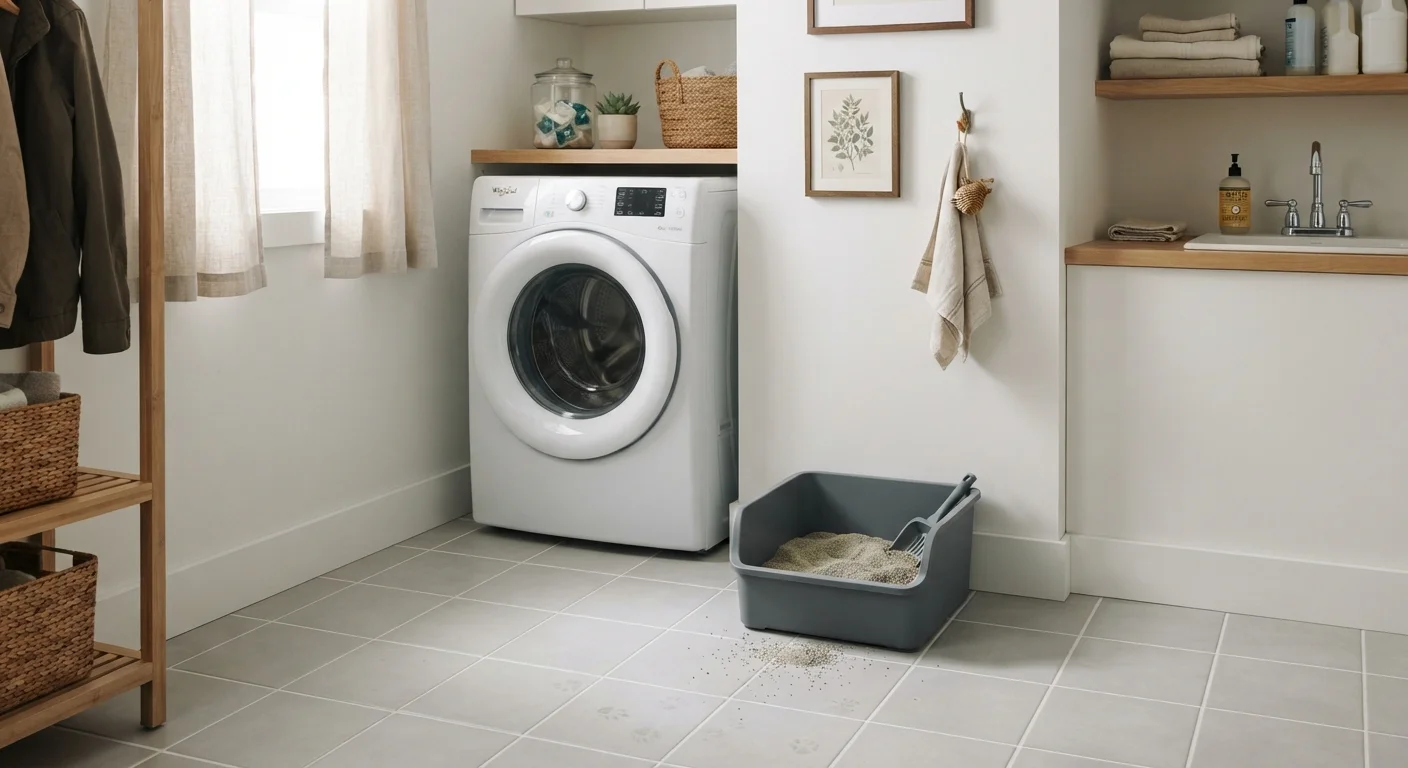
Why Litter Box Avoidance Is Rarely the Cat's Fault
When a cat stops using the litter box consistently, the instinct is to blame the cat. In reality, most litter box problems trace back to setup decisions made by the owner — often with good intentions. Cats have strong instincts around elimination: they need to feel safe, have easy access, and find the box acceptably clean. When any of those conditions fall short, they find somewhere else to go.
Understanding what cats actually need — rather than what seems convenient to us — is the first step to solving the problem. If you're setting up a home for a new cat, the guide to bringing a cat home for the first time covers foundational setup decisions worth reading before mistakes take hold.
Not having enough litter boxes for the number of cats in the home.
Why it happens: Owners assume one box is sufficient, especially if only one cat seems to use it without complaint.
Placing all litter boxes in a single out-of-the-way location, like a basement or utility closet.
Why it happens: Owners want the boxes hidden for aesthetic or odor reasons, and consolidating them in one spot feels tidier.
Scooping the litter box only once or twice a week instead of daily.
Why it happens: Busy schedules make frequent scooping easy to overlook, and owners often don't notice the smell as quickly as their cat does.
Using a covered or hooded litter box believing it gives the cat more privacy.
Why it happens: Covered boxes look cleaner and are marketed as odor-controlling, which appeals to owners. It's easy to assume cats want the same privacy humans do.
Filling the litter box with too little — or too much — litter.
Why it happens: There's rarely clear guidance on litter depth on packaging, so owners guess or pour to the brim to reduce how often they refill.
Switching litter types abruptly or using heavily scented litters.
Why it happens: Scented litters are marketed as odor-masking, so owners assume their cat will prefer them. Switching brands often happens when a familiar product is unavailable.
How to Build Better Litter Box Habits
Fixing litter box problems usually requires changing the environment, not the cat. Most solutions are straightforward once you understand the reasoning behind them.
10%
Cats affected by litter box avoidance
Veterinary behaviorists estimate that roughly 10% of cats will develop a litter box problem at some point — most linked to environmental factors rather than medical ones.
2–3 inches
Ideal litter depth for most cats
Feline behavior research consistently points to two to three inches as the preferred depth that allows natural digging and covering behaviors.
Start by auditing your current setup: count your boxes relative to your cat count, assess placement for noise and foot traffic, and honestly evaluate how often scooping happens. In multi-cat homes, litter box tension can overlap with broader territorial dynamics — the guide to introducing a second cat addresses how resource distribution affects feline coexistence.
Placement Near Food or Water Is a Common Mistake
Cats instinctively avoid eliminating near where they eat or drink. Placing a litter box in the same corner as food and water bowls often causes avoidance even when the box is otherwise clean and accessible. Keep these areas in separate parts of the home whenever space allows.
If your cat has recently started avoiding the box after previously using it reliably, a veterinary visit should be your first step. Urinary tract infections, kidney disease, arthritis (which makes climbing into a box painful), and other medical conditions can all cause sudden changes in elimination behavior. Treat the environment and the health angle together for the best outcome.
This article provides general pet care information and is not a substitute for professional veterinary advice. If your cat is showing signs of distress or sudden behavioral changes, consult a licensed veterinarian.
The content on this site is for informational purposes only and is not a substitute for professional advice. Always consult a qualified professional for guidance specific to your situation.