

Summary
22 items · 45–90 minutes
Why Remote Travel Demands a Different Kind of Prep
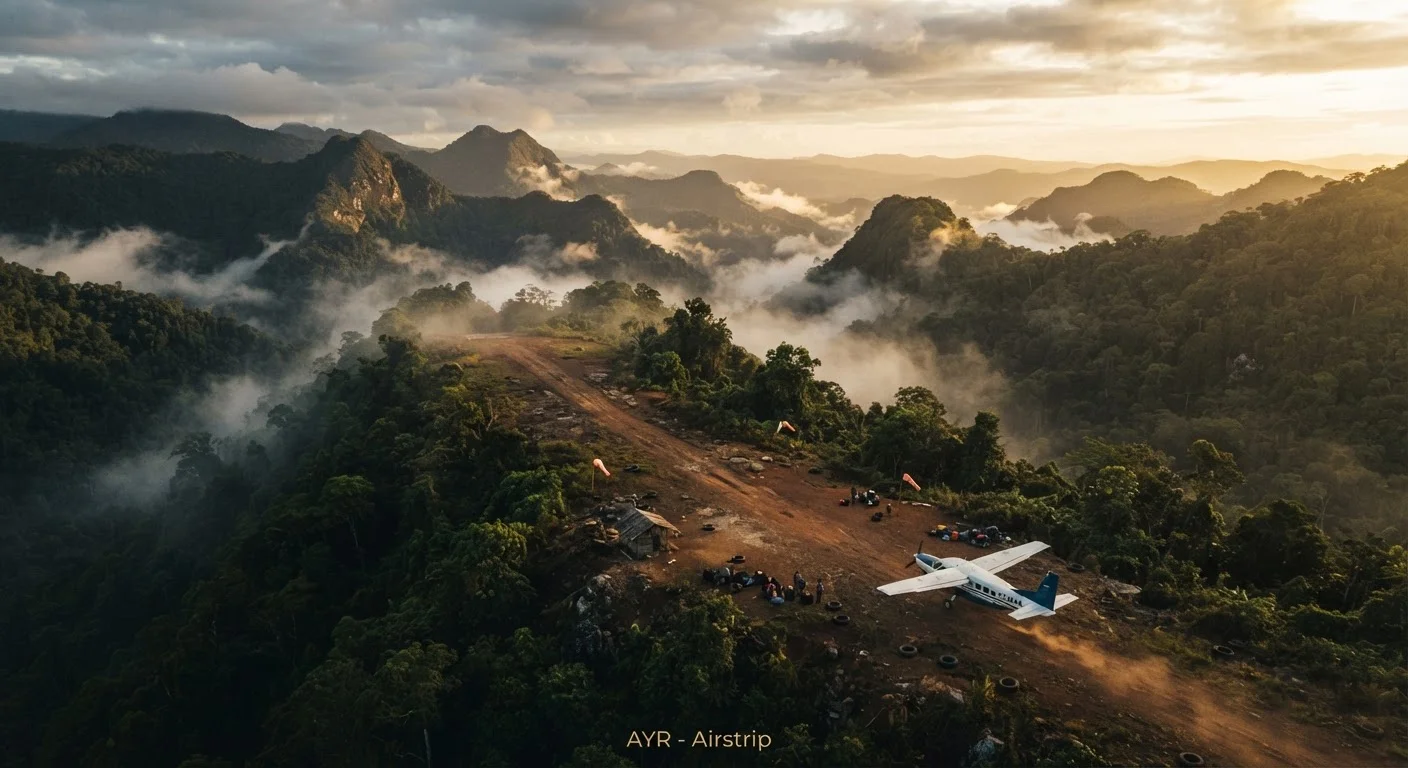
Flying into a major international hub is forgiving — missed paperwork can sometimes be sorted on the spot, and pharmacies are rarely more than a few blocks away. But heading to a genuinely remote destination changes everything. Think small island airstrips, highland villages with single-track roads, or border regions where infrastructure is sparse and support systems are thin.
The margin for error shrinks fast. That's not a reason to stay home — remote destinations are often the most memorable, most surprising, and most rewarding places you'll ever visit. It is a reason to prepare more carefully than you normally would.
This checklist is built for travelers heading off the beaten path — whether that's a volcanic archipelago, a high-altitude trekking region, or a sparsely connected island chain. Work through every group before you book your final leg. For a broader framework around trip building, see the complete trip planning workflow that covers the full arc from idea to departure.
Documents & Entry Requirements
Health & Medical Preparation
Insurance & Emergency Planning
Connectivity & Communication
Money, Logistics & Local Conditions
Tools That Make Remote Trip Planning Easier
You don't need specialized software to plan a remote trip well, but having the right resources at hand keeps the process organized and reduces the risk of missing something critical. Here's what the editorial team reaches for most often.
U.S. State Department Travel Website (travel.state.gov)
The primary official source for U.S. passport information, country-specific visa guidance, and up-to-date travel advisories.
CDC Travelers' Health Portal (wwwnc.cdc.gov/travel)
Provides destination-specific vaccine recommendations and health notices — essential for planning your travel medicine appointment.
Smart Traveler Enrollment Program (STEP)
Free State Department service that registers your trip with the nearest U.S. embassy so they can contact you during an emergency.
Offline Maps App (e.g., any app supporting offline map downloads)
Allows navigation without a data connection — critical in areas with no cell service.
Satellite Communicator or Personal Locator Beacon
Enables two-way messaging or emergency distress signals in areas completely outside cellular range.
Travel Itinerary Planning Template
A structured framework for organizing your days — see the <a href="/travel-exploration/trip-planning/travel-itinerary-planning-from-scratch">itinerary planning from scratch guide</a> for a walkthrough.
Don't Rely on "Figuring It Out" on Arrival
In remote destinations, the systems that bail out underprepared travelers — urgent care clinics, 24-hour ATMs, visa-on-arrival counters — frequently don't exist. A missing permit can mean a turned-back flight; a gap in your insurance can mean a five-figure medical bill. Give yourself enough lead time to address problems before they become crises, not after.
A Few Things Worth Keeping in Mind
Even with a thorough checklist in hand, remote travel involves a degree of genuine uncertainty. Conditions change — roads wash out, schedules shift, local providers close between seasons. The best preparation includes building flexibility into your itinerary so that a single disruption doesn't cascade into a trip-ending problem.
Travelers with specific accessibility requirements should review the accessible travel planning guide alongside this checklist, since remote destinations can present unique infrastructure challenges. And once you're on the ground, the habits covered in keeping your trip on track will help you adapt when things don't go exactly as planned.
Verify Entry & Safety Conditions Officially
Travel requirements — visas, permits, vaccinations, border status — can change with little notice, particularly for remote and politically sensitive regions. No checklist, article, or travel forum can substitute for an official government source. Always confirm current entry requirements and safety advisories directly with the U.S. State Department and your destination country's official immigration authority before you travel. See our travel documents reference guide for a structured overview of what to look for.
This article is for general informational purposes only. Always verify entry requirements, health recommendations, and safety conditions with official government sources and qualified professionals before traveling.
The content on this site is for informational purposes only and is not a substitute for professional advice. Always consult a qualified professional for guidance specific to your situation.