

Why the Island You Choose Changes Everything
Hawaii isn't a single destination — it's six distinct islands, each with its own terrain, vibe, and visitor profile. Choosing between them isn't just about preference; it shapes your entire trip. A family seeking resort beaches lands differently than a hiker chasing lava fields or a traveler craving genuine seclusion.
This breakdown covers the six main islands accessible to visitors: Oahu, Maui, the Big Island (Hawaii Island), Kauai, Molokai, and Lanai. Understanding what each genuinely offers helps you align your expectations before you book.
Island by Island: What You'll Actually Find
Oahu is home to Honolulu, Waikiki Beach, and Pearl Harbor. It's the most populated and developed island, with international airports, a dense network of restaurants, museums, and nightlife. Visitors who want urban energy alongside ocean access tend to feel most at home here. Oahu also offers North Shore surf culture and the Ko'olau Mountains for hiking.
Maui balances resort infrastructure with remarkable natural diversity. Road to Hana is a 64-mile coastal drive through rainforest and waterfalls. Haleakalā National Park crowns the island at over 10,000 feet — visitors commonly drive up before dawn to watch sunrise above the clouds. West Maui's beaches (Kaanapali, Kapalua) are considered among Hawaii's most consistent for swimming and snorkeling.
Hawaii Island (the Big Island) is the largest and youngest island geologically. It features active volcanic landscapes within Hawaiʻi Volcanoes National Park, the Kohala Coast's dry sunny resorts, Hilo's lush rainforest character, and Mauna Kea — a summit used for world-class astronomical observatories. The island spans 11 of the world's 13 climate zones.
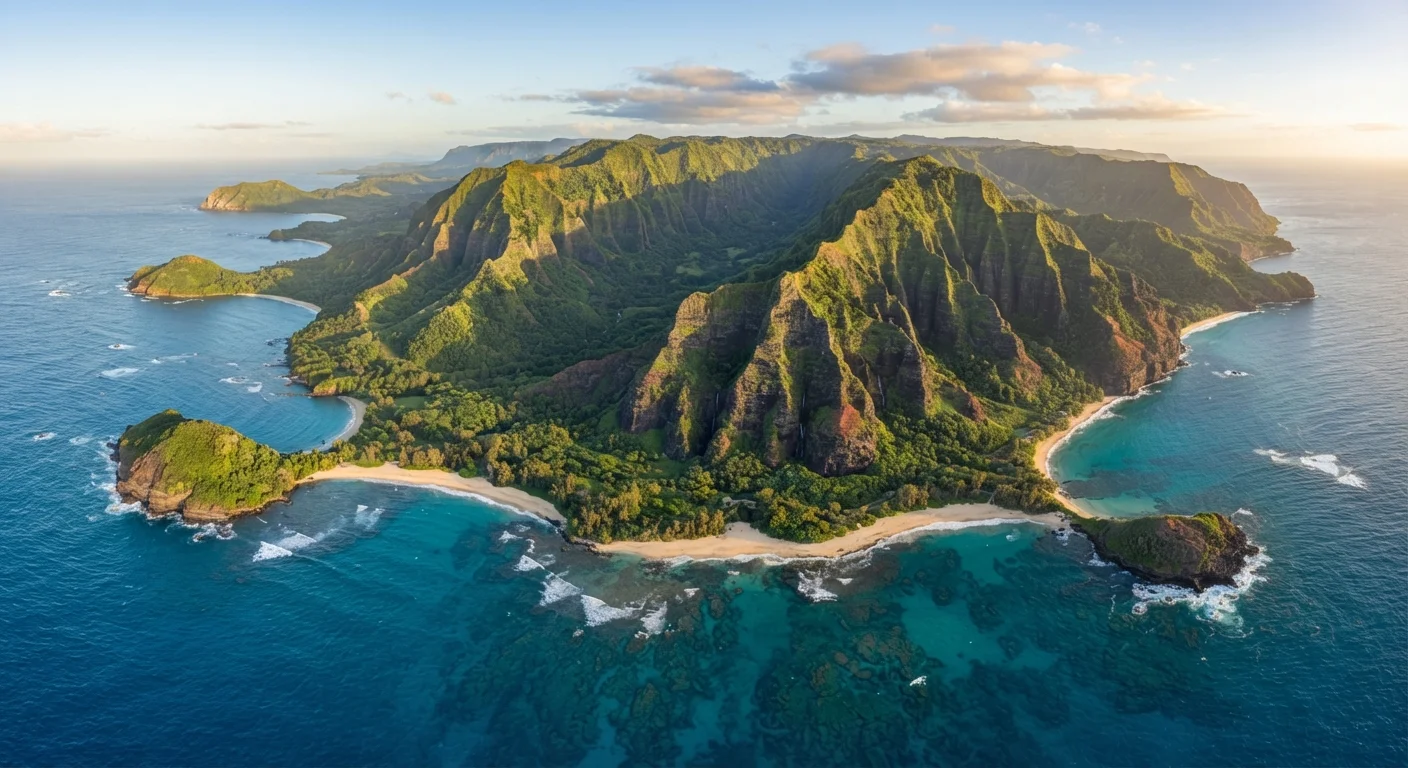
Kauai is the oldest major island and the most geologically weathered into dramatic shapes. The Na Pali Coast — accessible only by sea, air, or the strenuous Kalalau Trail — is one of the most photographed coastlines in the world. Waimea Canyon stretches roughly 14 miles long and reaches depths of over 3,600 feet. Kauai has fewer large resort areas than Oahu or Maui, making it popular with travelers prioritizing nature over amenities.
Molokai is intentionally undeveloped. There are no traffic lights, no major resorts, and limited commercial tourism infrastructure. The island's north shore hosts the world's tallest sea cliffs (over 3,900 feet). Molokai is best suited for travelers genuinely seeking quiet and cultural immersion rather than visitor-friendly amenities.
Lanai is small — roughly 141 square miles — and privately owned in large part. It offers two high-end resort properties and a rugged interior that rewards off-road exploration. Hulopo'e Bay is a protected marine preserve with excellent snorkeling. Visitor capacity is limited by the island's size and access (ferry from Maui or small aircraft).
Practical Considerations Before You Decide
Inter-island travel requires either a short flight or, for some islands, a ferry. Not all islands have the same medical, rental, or hospitality infrastructure — Molokai and Lanai especially have limited options compared to Oahu or Maui. Travelers with accessibility needs or specific medical considerations should research local facilities carefully before committing.
Seasonality matters across all islands: the wetter, windward sides of each island receive more rainfall year-round, while leeward (west and south) coasts tend to be sunnier and drier. Hurricane season runs roughly June through November, though direct impacts are historically infrequent.
Whatever island draws you, verifying current entry requirements, road conditions, and park access through official Hawaii state and National Park Service sources before travel is always worthwhile — conditions can change.
The content on this site is for informational purposes only and is not a substitute for professional advice. Always consult a qualified professional for guidance specific to your situation.