

Why Japan Surprises Even Well-Prepared Travelers
Japan consistently ranks among the most visited countries in the world, yet it also generates some of the most persistent misconceptions among first-time visitors. Much of the confusion stems from a mix of pop-culture impressions, secondhand accounts, and the general challenge of reading another culture from the outside. The good news: Japan is extraordinarily welcoming to curious visitors — but arriving with accurate expectations makes the experience genuinely richer.
Whether you're planning a week in Tokyo or a slower loop through Kyoto and Hiroshima, understanding what's actually true on the ground helps you engage more respectfully and confidently. For broader planning pitfalls that apply to any first international trip, see what first-time international travelers often underestimate.
Myth
You should tip servers, taxi drivers, and hotel staff to show appreciation.
Fact
Tipping is not part of Japanese service culture and can create confusion or discomfort.
In Japan, exceptional service is considered a professional standard — called omotenashi — not something that requires a monetary bonus. Leaving a tip at a restaurant or handing cash to a taxi driver may result in the money being politely returned. The concept isn't rude to the visitor; it's simply outside local norms. The most appreciated gesture is a sincere verbal thank-you (arigatou gozaimasu) and respectful behavior throughout your interaction.
Myth
Getting around Japan without speaking Japanese will be extremely difficult.
Fact
Major cities have extensive English signage, and transit apps make navigation straightforward.
Tokyo's subway stations, Shinkansen (bullet train) platforms, and most tourist-facing facilities offer English translations alongside Japanese text. Google Maps provides accurate real-time transit directions in English. A prepaid IC card — such as Suica or ICOCA — works across trains, buses, and even many convenience stores, removing most language friction from daily travel. Rural areas do require more patience, but resourcefulness goes a long way.
Myth
Temples and shrines are essentially outdoor museums you can wander freely.
Fact
Many are active places of worship with etiquette expectations visitors should respect.
Sites like Fushimi Inari or Senso-ji welcome visitors warmly, but they remain living religious spaces. At Shinto shrines, there is typically a purification fountain (temizuya) at the entrance for ritual handwashing. Speaking loudly, stepping onto altar areas, or photographing worshippers mid-prayer is considered disrespectful. Reading any posted guidelines at each site before exploring takes only a moment and signals genuine cultural awareness.
Myth
Japan is prohibitively expensive for budget-conscious travelers.
Fact
Japan offers a wide range of price points, and everyday meals can be quite affordable.
A bowl of ramen or a set lunch at a neighborhood restaurant can cost well under the equivalent of $10 USD. Convenience stores sell freshly prepared onigiri, sandwiches, and hot foods at low prices. Budget accommodation options — including guesthouses, capsule hotels, and business hotels — are widely available. Where costs do add up is in long-distance rail travel and high-end ryokan stays, so planning around these specifically helps manage overall expenses.
Myth
Japanese cities are uniformly quiet and reserved at all hours.
Fact
Entertainment districts in cities like Tokyo and Osaka are lively and vibrant well into the night.
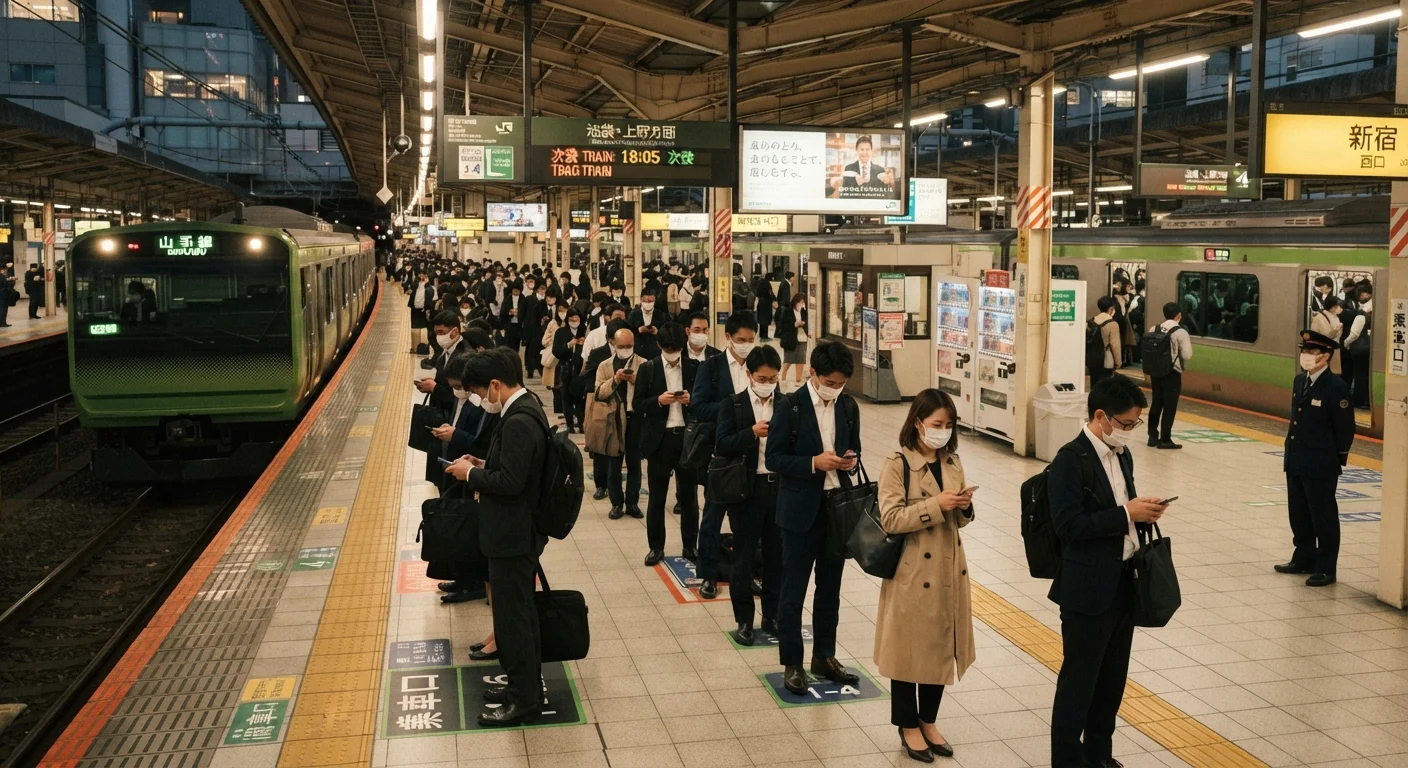
Neighborhoods such as Shinjuku, Dotonbori, and Nakameguro offer a range of energy — from the neon-lit bustle of izakaya (casual pub-style eateries) to late-night jazz bars tucked into basement spaces. The perception of uniform quietude likely comes from behavior on public transit, where silence and phone-muting are strongly preferred norms. That reserved commuter energy doesn't represent the full social landscape of Japanese cities after work hours.
Practical Realities Worth Knowing Before You Go
Beyond cultural customs, some logistical assumptions also tend to catch visitors off guard. Japan's vending machines, convenience stores (known as konbini), and transit apps are genuinely excellent resources — yet many travelers arrive expecting constant struggle with language barriers or navigation.
99.9%
On-time rate for Shinkansen bullet trains
Japan's Shinkansen network is renowned globally for punctuality, with average delays measured in seconds per journey according to railway operator reports.
55,000+
Convenience stores operating across Japan
Japan's konbini density means most travelers are rarely more than a short walk from food, ATMs, and basic supplies, according to industry association data.
One area that regularly surprises visitors is payment. While contactless and card payments are growing, many traditional restaurants, rural ryokan inns, and smaller shops remain cash-preferred or cash-only. Withdrawing yen from 7-Eleven ATMs (widely available across the country) is a reliable and commonly recommended approach. Blending local rhythm with a spirit of observation — rather than assumption — is the best posture any visitor can bring. For a complementary perspective on exploring unfamiliar cities without defaulting to a scripted tourist experience, read this guide to navigating new destinations like a local.
This article provides general travel information for educational purposes. Entry requirements, local regulations, and conditions can change — always verify details with official government sources and your accommodation or tour provider before traveling.
The content on this site is for informational purposes only and is not a substitute for professional advice. Always consult a qualified professional for guidance specific to your situation.