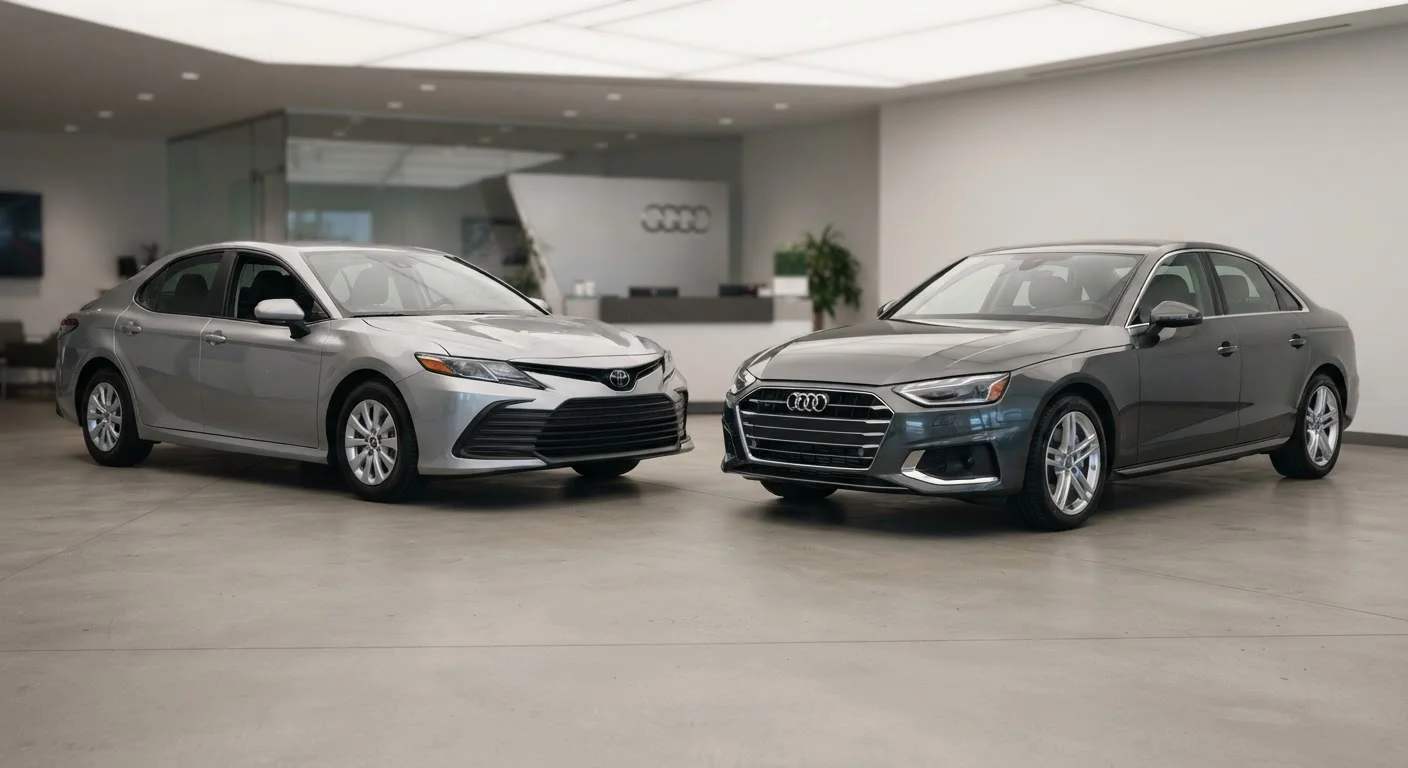

The Same Name, a Different Vehicle
When a car carries the same name for 20 or 30 years, it's easy to assume a level of consistency that often doesn't exist. In practice, automakers routinely use familiar nameplates to introduce vehicles that are meaningfully - sometimes radically - different from their predecessors. Body dimensions grow or shrink, powertrains are replaced, ride character shifts, and the target buyer can change entirely. The name is a brand asset; the car beneath it is an evolving product.
Understanding this distinction matters whether you're researching a new purchase or evaluating a used vehicle. Two cars with identical names but separated by a single generational redesign may share almost no mechanical components, have different reliability records, and suit entirely different drivers. For a deeper look at how annual changes fit into this picture, see Car Model Years Explained.
Refresh vs. Redesign: Know the Difference
Not every visible change signals a new generation. Mid-cycle refreshes - sometimes called facelifts - update styling, infotainment, and minor features without changing the underlying platform or structure. A true generational redesign is more fundamental. If you're unsure whether a change between two model years is cosmetic or structural, the production platform designation is the clearest indicator.
What Actually Changes Between Generations
A true generational redesign - as opposed to a mid-cycle refresh - typically involves changes across several dimensions simultaneously:
- Platform: The underlying architecture that governs wheelbase, suspension design, and drivetrain layout may be completely replaced. Platform changes ripple through nearly every aspect of how a car drives and how it's repaired. Car platform sharing explains why this matters beyond a single model.
- Dimensions: Models frequently grow larger over successive generations as manufacturers respond to consumer preferences or shift toward new segments. A compact that starts below 175 inches in length may top 185 inches two generations later.
- Powertrain: Engine families are retired and replaced on generational timelines. Transmission technology, fuel economy ratings, and towing or performance specs can all shift substantially.
- Safety technology: Federal safety requirements evolve, and automakers add driver-assistance systems - automatic emergency braking, lane-keep assist - that weren't available in earlier generations.
- Market positioning: Perhaps most significantly, a model's intended buyer can change. A vehicle may begin as an affordable sporty coupe and evolve into a practical crossover aimed at families. The nameplate travels; the mission doesn't have to.
5-8 years
Typical length of a single car generation
Most full redesigns occur on a five-to-eight-year cycle, though competitive pressure or platform costs can accelerate or delay them.
~4 inches
Average length growth per generation for mid-size sedans
Industry analysts have noted a consistent trend of vehicles growing in exterior dimensions across successive generations over recent decades.
Why Automakers Keep Familiar Names
Retiring a well-known nameplate is a genuine business risk. Brand recognition built over decades translates directly into consumer consideration - shoppers who had a positive experience with a previous generation are more likely to look at the new one. Launching an entirely new model name requires building that awareness from scratch, which is expensive and uncertain.
This dynamic means manufacturers will often stretch a name into new segments rather than create a fresh identity. A nameplate that started on a rear-wheel-drive sport sedan may later appear on a front-wheel-drive family crossover because the name carries positive associations the automaker wants to leverage. It also means that reliability reputations - good or bad - can lag the actual product by years. Reliability myths about car brands covers this lag effect in more detail.
“The nameplate is a marketing decision; the engineering is a product decision. Those two things don't always move in the same direction, and consumers who conflate them end up surprised.”
— Cars & Driving Editorial Team, Automotive consumer guidance editors
What This Means When You're Buying Used
For used-vehicle shoppers, the practical implication is straightforward: research the specific generation, not just the model name. A quick look at the production history will tell you which model years belong to the same design cycle. From there, owner forums, long-term road tests, and model-specific reliability data give a far more accurate picture than general brand reputation alone.
Pay particular attention to early production years within a generation - first-year models sometimes carry teething issues that are addressed in subsequent model years through running production changes. Conversely, the final years of a generation sometimes receive fewer updates as the manufacturer focuses resources on the upcoming redesign. These patterns vary by manufacturer and model, so generation-specific research is essential.
If you're considering a certified pre-owned vehicle, remember that CPO status covers the inspection and warranty programme - it doesn't change the underlying generation's known strengths or weaknesses. For broader used-car guidance, the Buying a Car hub offers structured direction across the full process.
Look Up Generation Boundaries Before You Search
Before browsing used listings, spend a few minutes identifying which model years belong to the generation you actually want. Enthusiast sites and auto-information databases typically document these boundaries clearly. Filtering your search by generation - not just model name - saves significant time and reduces the risk of comparing incompatible vehicles.
Before committing to any model, questions worth asking when researching a car model can help you cut through marketing language and focus on what actually matters to drivers.
Frequently Asked Questions
Most generations run five to eight years before a full redesign. Some models have stretched generations beyond that, while high-volume vehicles in competitive segments may refresh sooner. Annual model-year changes happen within that cycle and are generally less dramatic.
Not necessarily. Newer generations typically add technology and meet updated safety standards, but some enthusiasts and owners prefer earlier generations for their simplicity, driving character, or lower repair costs. Each generation should be evaluated on its own merits.
Check the model year and cross-reference it with the manufacturer's production history, which is often documented on enthusiast wikis, auto-information sites, or the brand's own press archives. The generation boundaries are usually tied to specific model years.
Yes. There are well-documented cases where a nameplate that started as a compact car was later applied to a crossover or SUV. Automakers sometimes repurpose familiar names to launch vehicles in new segments, trading on brand recognition.
Brand recognition is valuable. A familiar name carries existing consumer trust and media awareness, reducing the marketing investment needed to launch a redesigned vehicle. Retiring a well-known name is a significant business risk most manufacturers prefer to avoid.
Yes, because known issues, parts availability, and feature sets vary by generation. A CPO label covers the inspection and limited warranty, but the underlying vehicle's strengths and weaknesses are generation-specific. Research the particular generation, not just the model name.
The content on this site is for informational purposes only and is not a substitute for professional advice. Always consult a qualified professional for guidance specific to your situation.