

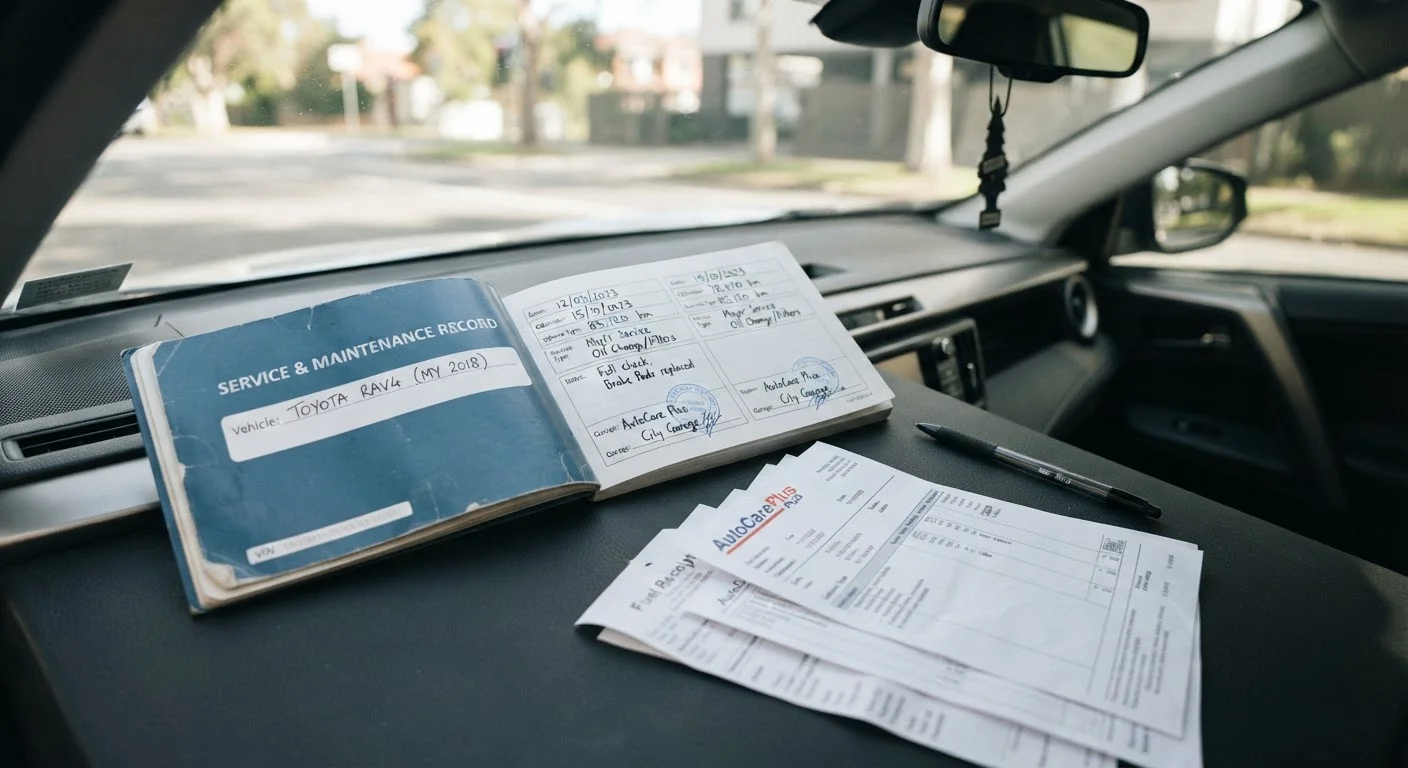
What a Service Record Actually Is
A car service record is a running log of every maintenance and repair event your vehicle has been through - oil changes, tyre rotations, brake inspections, filter replacements, fluid top-ups, and any unscheduled repairs. It includes dates, mileage at the time of service, what was done, who did it, and what was charged.
Many drivers assume the dealership or garage keeps track of this automatically. Some do maintain digital records, but these are not always complete, easily transferable, or stored for the life of the vehicle. Your own log - whether a paper booklet kept in the glove box or a dedicated folder in the cloud - is the reliable version you control.
Think of it less like paperwork and more like a medical history for your car. Just as a doctor needs context to make informed decisions, a mechanic (and a future buyer) benefits enormously from knowing what has already been done and when.
Why the Stakes Are Higher Than Most Drivers Think
Resale value is the reason most people associate with service records, and it is a legitimate one. A vehicle with documented, consistent servicing is simply easier for a private buyer or dealer to trust. But the implications go further.
~30%
Potential uplift in private resale negotiating position
Industry observers and consumer automotive organisations commonly note that a documented full-service history strengthens a seller's position compared to vehicles with incomplete records.
1 in 3
Used cars sold without any service documentation
Surveys of the used-car market suggest a significant proportion of private-sale vehicles change hands without verifiable maintenance records, leaving buyers to rely on the seller's word alone.
Warranty protection: Many manufacturers require proof of scheduled maintenance to honour powertrain or extended warranties. If a component fails and you cannot demonstrate that relevant services were performed on schedule, a claim can be denied - even when the failure is unrelated to a skipped service.
When buying used, savvy buyers cross-reference service records with a vehicle history report. Our guide on what a vehicle history report actually tells you explains what those reports capture - and what they cannot. A seller's own service log fills in the gaps that third-party reports miss.
There is also a safety dimension. Consistent records help you notice patterns - a coolant top-up every few months, for instance, may signal a slow leak that has not yet triggered a warning light.
Best Practices for Keeping a Reliable Service Record
Log every service event within 48 hours of it happening
Memory fades quickly, and receipts get lost. Recording the date, mileage, work performed, and cost while it is fresh ensures accuracy and prevents gaps that undermine the record's credibility.
Keep both digital and physical copies of all service receipts
Digital files can be corrupted or lost; paper receipts fade and tear. Maintaining both formats protects against either type of loss and makes the record available in any situation - including roadside or showroom scenarios.
Record the mechanic's name, shop name, and contact details for every entry
Future buyers and warranty administrators may want to verify work. Attributing each entry to a specific, contactable business adds credibility and creates an audit trail.
Document declined or deferred repairs alongside completed work
Noting that a service advisor flagged a worn item - even if you chose to defer it - shows good faith and helps you track how long a known issue has been present, which is useful for future diagnosis.
Review your service record against the manufacturer's maintenance schedule annually
It is easy to lose track of interval-based services, particularly less frequent ones like transmission fluid changes or spark plug replacements. An annual review catches overdue items before they become problems. See common maintenance myths that can skew your schedule for context on which intervals actually matter.
If you are building a maintenance schedule to complement your records, our article on how to build a maintenance schedule around your actual driving patterns offers a practical framework tailored to how you actually use your vehicle.
Quick Wins You Can Act on Today
You do not need to have kept records from day one to benefit from starting now. Partial documentation is meaningfully better than none, especially for services performed in the past year or two.
Starting Mid-Ownership Is Absolutely Fine
Do not let an incomplete past history stop you from starting today. A record that covers the last two years of consistent servicing still tells a buyer or mechanic something meaningful. Note in your log the approximate date you began keeping records and what the mileage was at that point - transparency about the record's starting point is better than no record at all.
It is also worth remembering that a full service history can matter at the point of sale in ways that are easy to underestimate. Our guide on what to check before signing anything at a dealership covers documentation from the buyer's perspective - a useful mirror for anyone preparing to sell.
The content on this site is for informational purposes only and is not a substitute for professional advice. Always consult a qualified professional for guidance specific to your situation.