

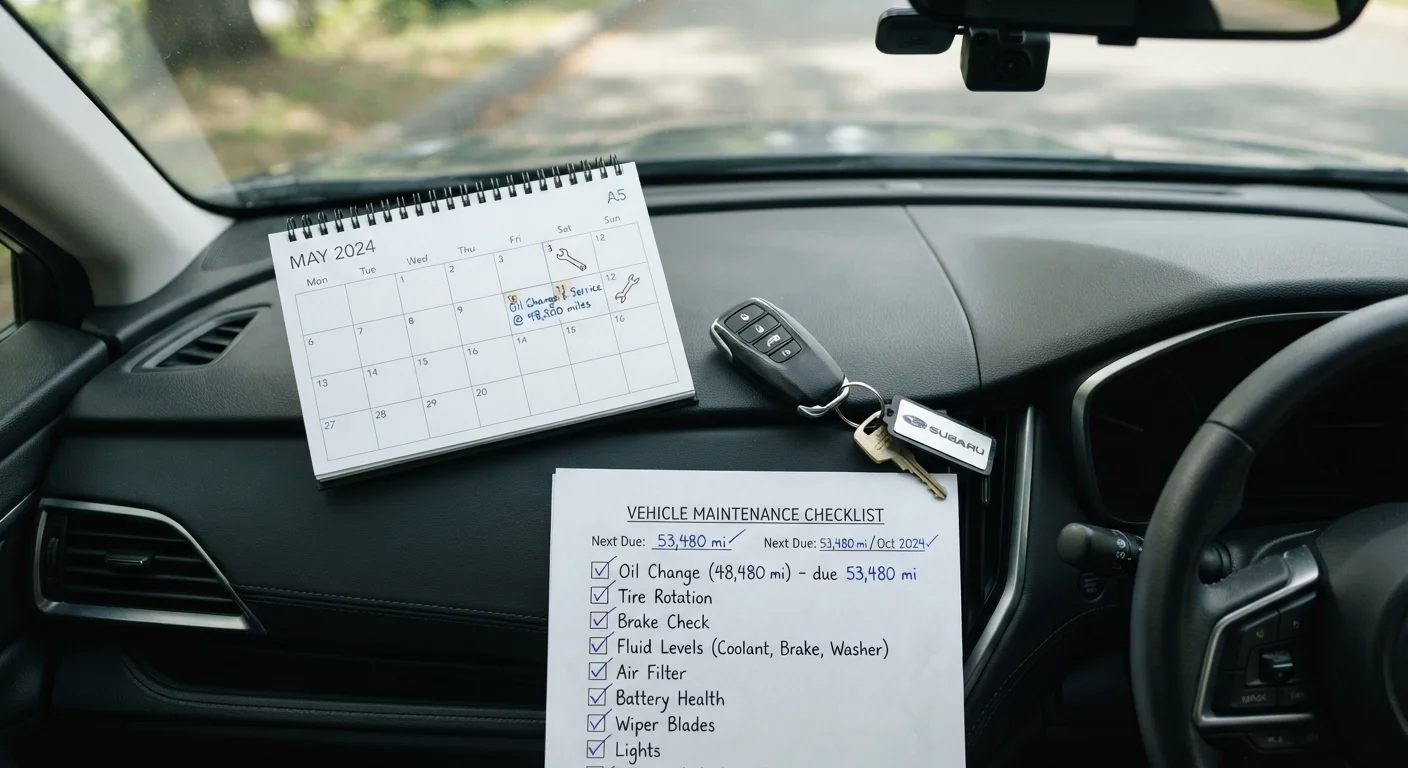
Why One-Size-Fits-All Schedules Often Miss the Mark
Generic maintenance schedules - change the oil every X miles, rotate tires every Y months - are built around an average driver who may look nothing like you. A retired driver covering 5,000 miles a year in mild weather has very different needs from a rideshare driver logging 40,000 miles annually on urban roads. Following the wrong template can mean either over-maintaining (spending money you don't need to) or under-maintaining (missing real wear before it becomes damage).
The fix isn't complicated, but it does require a small amount of honest self-assessment. Start by asking: How many miles do I drive each year? What type of driving dominates - stop-and-go city driving, steady highway miles, or short neighborhood errands? Do I regularly tow, carry heavy loads, or drive in extreme heat or cold? Your answers shift several key service intervals meaningfully.
For a deeper look at which common maintenance rules are worth keeping and which are outdated, see common maintenance myths that cost drivers money.
Know Your Driving Type - It Changes Everything
Vehicle manufacturers and mechanics often distinguish between normal and severe driving conditions. Severe doesn't mean reckless - it refers to conditions that put extra stress on vehicle systems:
- Frequent short trips under five miles (the engine never fully warms up, which accelerates wear and causes moisture and fuel to accumulate in the oil)
- Towing or hauling heavy loads regularly
- Driving in extreme temperatures - consistently below freezing or above 90°F
- Stop-and-go traffic for extended periods
- Dusty, unpaved roads
If your driving fits the severe category, your owner's manual will typically recommend shorter service intervals for items like engine oil, air filters, and transmission fluid. This is not a marketing tactic - it reflects real-world mechanical stress.
~40%
Drivers who skip recommended service intervals
Industry surveys consistently suggest a significant share of drivers delay or skip scheduled maintenance, often because they rely on memory rather than a structured plan.
5 miles
Trip length below which engine wear accelerates
Automotive engineers note that trips shorter than five miles prevent the engine from reaching full operating temperature, leading to faster oil contamination and increased internal wear over time.
Highway commuters and low-mileage drivers face a different issue: time-based degradation. Brake fluid absorbs moisture over time regardless of miles driven. Coolant and battery performance also deteriorate with age. If you drive rarely, time-based checks matter as much as mileage-based ones.
Building Your Personalized Schedule: A Practical Framework
Once you understand your driving profile, building a realistic schedule takes just a few steps.
1. Start with the owner's manual. Every vehicle comes with manufacturer-specified service intervals. These are your baseline - not a suggestion. Most manuals list both a normal and a severe schedule. Identify which one applies to you and use that as your foundation.
2. Layer in time-based checks. Some components degrade by calendar regardless of mileage. A practical approach is to tie certain checks to seasons rather than odometer readings. Seasonal maintenance checks - such as inspecting wiper blades in fall or checking coolant before summer - keep you proactive without needing to track every mile.
3. Add tires to every cycle. Tires are one of the most safety-critical components and one of the most neglected. Rotation intervals, pressure checks, and tread depth monitoring should be a fixed part of your routine. Tyre care fundamentals covers what these checks actually involve.
4. Keep a running record. A simple log - even a notes app on your phone - recording the date, mileage, and work done makes your schedule self-correcting over time. Keeping a car service record explains exactly what to track and why gaps can become costly.
Identify your driving category before setting any service interval.
Using the wrong interval baseline - normal versus severe - can mean skipping maintenance your vehicle genuinely needs. Severe-duty driving accelerates wear on oil, filters, and drivetrain components in ways that standard schedules don't account for.
Use both mileage and time as triggers for service checks.
Some fluids and components degrade chemically over time, not just through use. Relying solely on odometer readings causes low-mileage drivers to miss time-based deterioration in brake fluid, coolant, and battery health.
Review your owner's manual at least once and note the severe-duty schedule.
Most drivers never open their owner's manual after purchase. The manufacturer's schedule - especially the severe-duty version - is the most accurate maintenance guide for your specific vehicle, more reliable than any generic third-party chart.
Log every service with the date, mileage, and what was done.
Without a record, it's easy to lose track of when something was last done and make decisions based on guesswork. A service log also protects resale value and helps a mechanic diagnose issues faster.
Adjust your schedule when your driving habits change significantly.
Starting a new job with a long highway commute, buying a trailer, or moving to a colder climate all change the stress profile of your vehicle. A static schedule set years ago may no longer fit your current situation.
Quick Wins You Can Act on Today
You don't need a complete schedule overhaul to start improving your maintenance habits. A few immediate actions can close common gaps and give you a clearer picture of where your vehicle stands right now.
For tasks that go beyond fluid checks or visual inspections, it's worth knowing where the DIY boundary sits. DIY car maintenance vs. taking it to a mechanic offers a realistic guide to what's manageable at home and what's safer in a shop.
Set a Recurring Reminder, Not Just a Goal
Good intentions rarely survive a busy schedule. Set a recurring calendar reminder - quarterly works for most drivers - to spend five minutes reviewing your log and checking basic fluid levels. Pairing this habit with something you already do, like a seasonal tire pressure check, makes it far easier to maintain consistently.
The content on this site is for informational purposes only and is not a substitute for professional advice. Always consult a qualified professional for guidance specific to your situation.