

Why Bone Health Is a Women's Health Priority
Osteoporosis - the condition in which bones become porous and fragile - affects an estimated 10 million Americans, and roughly 80% of them are women. Women face a compounding set of biological disadvantages: smaller peak bone mass than men and a steep drop in estrogen at menopause that directly accelerates bone loss. The consequences are significant: fractures of the hip, spine, and wrist that can impair mobility, independence, and quality of life.
What makes bone health uniquely important is that it operates largely in silence. There are no early warning symptoms of declining bone density. By the time a fracture occurs, significant structural loss may already have taken place. This is why a decade-by-decade approach - building reserves early and protecting them later - is the most effective strategy available.
80%
Of osteoporosis cases occur in women
According to the National Osteoporosis Foundation, approximately 80% of the estimated 10 million Americans with osteoporosis are women.
1-3%
Annual bone loss rate post-menopause
In the first years following menopause, some women lose bone density at a rate of 1-3% per year, according to clinical estimates widely cited in endocrinology literature.
50%
Of women over 50 will experience an osteoporosis-related fracture
Major health organizations estimate that one in two women over age 50 will experience a fracture related to low bone density in her lifetime.
For context on how bone health fits within broader preventive care, see our guide to women's health checks at each life stage.
Your 20s and 30s: The Peak Bone Mass Window
Bone is living tissue, constantly broken down and rebuilt. Through your teens and into your late 20s, the body builds more bone than it loses. Peak bone mass - the maximum density your skeleton will ever achieve - is typically reached between ages 25 and 30. The higher that peak, the greater your "bone bank" to draw from as natural age-related loss begins later.
Habits that support peak bone mass formation include adequate calcium and vitamin D intake, regular weight-bearing physical activity, avoiding smoking, and limiting heavy alcohol consumption. Low body weight and prolonged low-estrogen states (such as those associated with amenorrhea in athletes) can meaningfully reduce peak bone mass, sometimes permanently.
Don't underestimate the impact of your 20s on your 70s. The bone density you build before age 30 sets a ceiling that no intervention later in life can fully raise.
Peak bone mass is a fixed biological window. Research consistently shows that higher peak bone mass in early adulthood is associated with lower fracture risk decades later.
If you're a woman athlete or follow a very low-calorie diet, discuss bone health with your provider now - not after a stress fracture.
Low energy availability suppresses estrogen and disrupts bone formation; this is a well-documented phenomenon sometimes called the 'female athlete triad' or, more broadly, Relative Energy Deficiency in Sport (RED-S).
This decade is also a good time to be aware of how overall lifestyle habits compound over time. Our overview of habits that quietly undermine health over decades illustrates how invisible patterns accumulate - a parallel worth keeping in mind for women's bone health too.
Your 40s: The Transition Years
Bone density remains relatively stable through the early 40s, but perimenopause - the transitional phase leading up to the final menstrual period - can begin in the mid-40s for many women. During this period, estrogen levels fluctuate and begin to decline. Estrogen plays a direct role in regulating bone turnover; as its levels fall, bone resorption (breakdown) begins to outpace bone formation.
This decade is a strategic moment to consolidate healthy habits: ensuring calcium and vitamin D intakes are consistent, maintaining resistance and weight-bearing exercise, and reviewing risk factors with a healthcare provider. Women with a family history of osteoporosis, those who have had significant periods of low estrogen, or those managing conditions that affect nutrient absorption may benefit from earlier assessment.
Use Your 40s as a Planning Decade
Even if you feel well and have no symptoms, your 40s are an ideal time to review your calcium intake, vitamin D status, and exercise habits with your primary care provider. Establishing a baseline understanding of your bone health risk factors now gives you time to course-correct before the steeper losses of post-menopause begin. Think of it as preventive maintenance rather than crisis management.
Your 50s and Beyond: Menopause and Bone Loss
The most rapid phase of bone loss occurs in the first five to seven years following menopause, when bone density can fall by 1-3% per year in some women. Over a decade, this cumulative loss can substantially elevate fracture risk. The spine, hips, and wrists are particularly vulnerable.
This is the decade when many women are first diagnosed with osteopenia (low bone density, a precursor to osteoporosis) or osteoporosis itself, often following a bone density scan (DXA). A DXA scan is painless, quick, and the clinical standard for measurement. It generates a "T-score" comparing your bone density to that of a healthy young adult.
Fractures After 50 Deserve Medical Attention
A fracture after age 50 - even a seemingly minor one from a low-impact event like a fall from standing height - can be a signal of underlying bone fragility and warrants evaluation by a healthcare provider. These are sometimes called "fragility fractures" and are considered a red flag for osteoporosis. Do not dismiss them as simply bad luck; a bone density assessment and risk review should follow.
Medical management options exist for women with significant bone loss, and these are decisions to make in partnership with a qualified healthcare provider based on individual risk, medical history, and preferences. No two women's situations are identical.
Pelvic health is another area that intersects with this life stage. Our article on pelvic floor health beyond pregnancy covers related concerns that often emerge in midlife and later years.
Nutrition Fundamentals for Bone Strength
Calcium and vitamin D are the two most recognized bone-health nutrients, and for good reason - calcium is the primary mineral in bone, and vitamin D is required for its absorption in the gut.
- Calcium: General guidance from major health organizations suggests adult women aim for around 1,000-1,200 mg per day through diet and supplementation combined. Dairy, leafy greens, fortified foods, and canned fish with bones are good dietary sources.
- Vitamin D: Many Americans have insufficient vitamin D levels. Sunlight exposure, oily fish, fortified foods, and supplements all contribute. A healthcare provider can test your levels and advise appropriately.
- Other nutrients: Magnesium, vitamin K2, and protein all play supporting roles in bone metabolism. A balanced, varied diet typically provides these.
It's worth noting that very high calcium supplement intake has been associated with other health considerations in some research; getting calcium primarily from food when possible is generally the preferred approach. Discuss supplementation with your provider before making significant changes.
Exercise: The Non-Negotiable Bone Protector
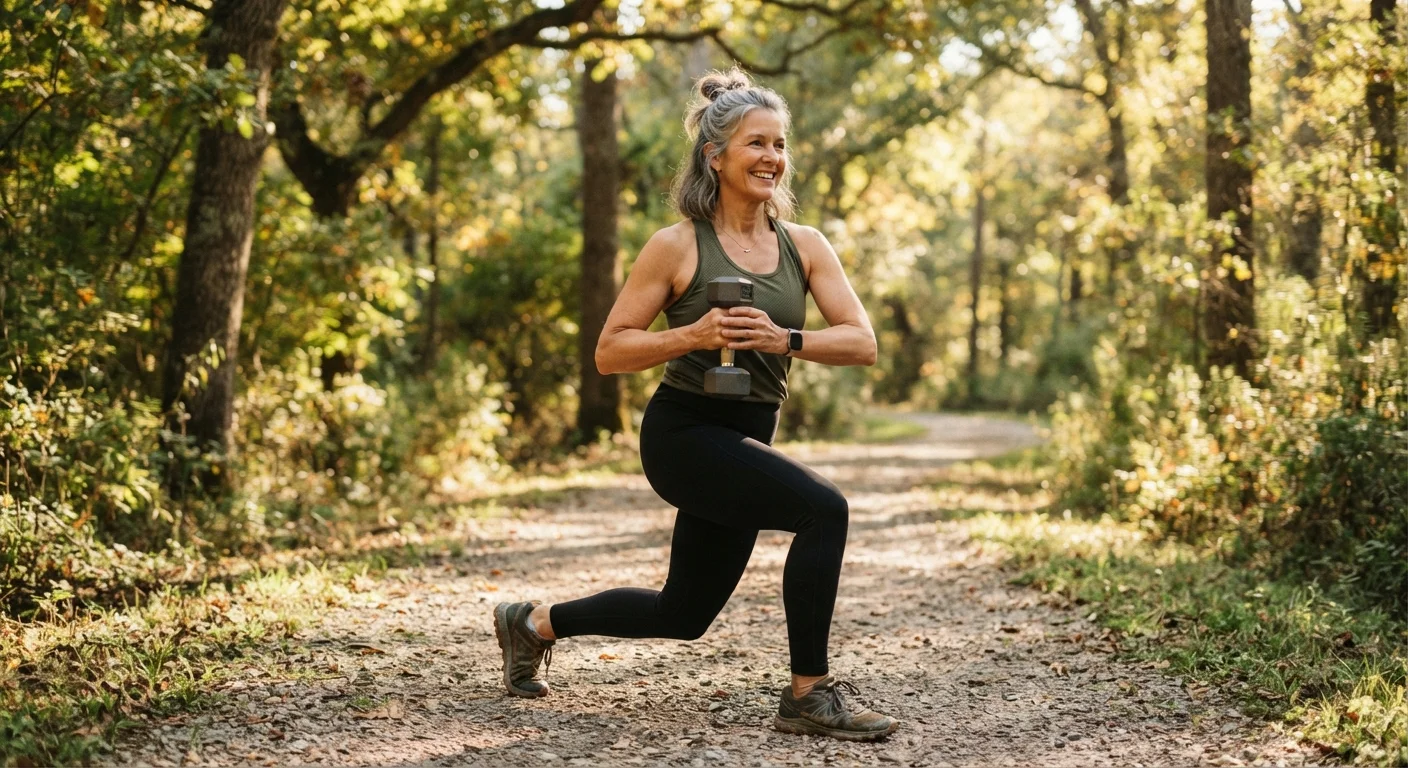
Physical activity is one of the most powerful modifiable influences on bone density at every decade. The key principle is mechanical loading - when muscles pull on bones and when bones bear weight, they respond by becoming denser and stronger.
Two categories of exercise are most relevant:
- Weight-bearing aerobic exercise: Walking, jogging, hiking, dancing, and stair climbing all count. These activities load the skeleton and stimulate bone maintenance.
- Resistance (strength) training: Lifting weights or using resistance bands applies direct force to bones, particularly beneficial for the spine and hips.
Balance and coordination training - yoga, tai chi - is increasingly recognized as important for fall prevention in older women, since preventing falls is as critical as preventing fracture from a fall.
“Bone is not inert - it is a dynamic tissue that responds throughout life to the mechanical and nutritional signals we give it. The choices made in early adulthood establish a foundation that later interventions can support but not fully replace.”
— Dr. Felicia Cosman, Osteoporosis specialist and former Clinical Director, National Osteoporosis Foundation
Swimming and cycling, while excellent for cardiovascular health, are not weight-bearing and therefore contribute less directly to bone density. A well-rounded exercise routine ideally incorporates multiple types.
Screening, Risk Factors, and When to Seek Guidance
The U.S. Preventive Services Task Force recommends bone density screening for women aged 65 and older, and for younger postmenopausal women who are at elevated risk. Risk factors that may prompt earlier assessment include:
- Family history of osteoporosis or hip fracture
- Low body weight or a history of eating disorders
- Long-term use of corticosteroids or certain other medications
- Smoking or heavy alcohol use
- Early menopause (before age 45) or prolonged amenorrhea
- Conditions affecting nutrient absorption, such as celiac disease or inflammatory bowel disease
Your healthcare provider can use a validated tool (such as FRAX, a fracture risk assessment tool) to estimate your 10-year fracture probability and determine whether intervention is warranted. Don't wait for a fracture to begin the conversation.
Bone health is one component of a broader preventive care framework. Our women's health check guide outlines what screening conversations to have with your provider at each stage of life.
This article is for general informational and educational purposes only and is not a substitute for professional medical advice, diagnosis, or treatment. Always consult a qualified healthcare provider regarding your individual health circumstances, symptoms, or concerns.
The content on this site is for informational purposes only and is not a substitute for professional advice. Always consult a qualified professional for guidance specific to your situation.