

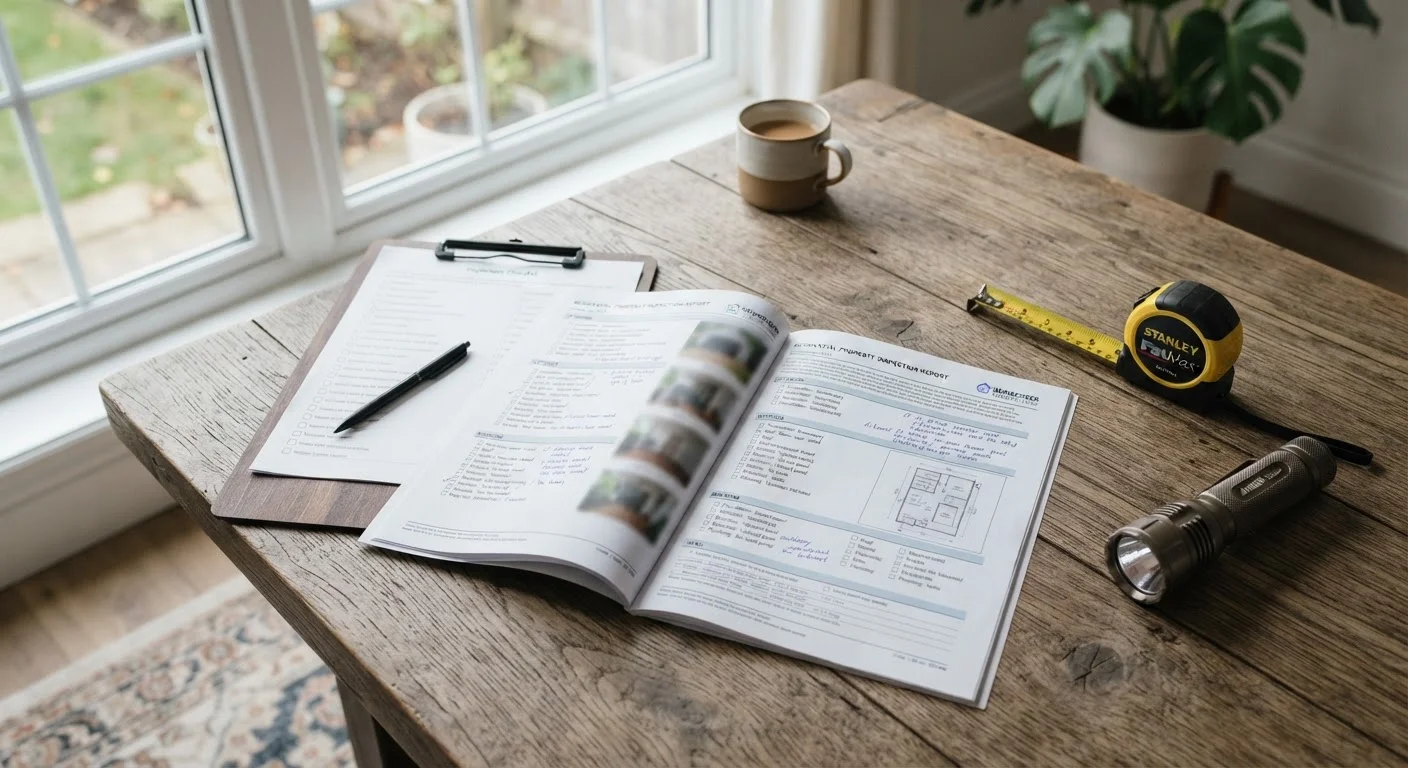
How a Home Inspection Report Is Structured
Most home inspection reports follow a system-by-system format, moving through the property methodically. Typical sections include:
- Roofing — covering material condition, flashing, gutters, and visible drainage
- Exterior — siding, grading, walkways, and window/door seals
- Foundation and structure — visible cracks, settlement, and crawl space or basement conditions
- Electrical system — panel condition, wiring types, outlets, and GFCI protection
- Plumbing — supply and drain lines, water heater age and condition, fixtures
- HVAC — heating and cooling equipment, filters, and ductwork
- Insulation and ventilation — attic insulation depth, vapor barriers, and airflow
- Interior — ceilings, walls, floors, windows, and doors
Each section typically contains a written narrative alongside photos documenting visible conditions. Reading the narrative — not just the summary page — is essential, because critical context often lives in the body of each section.
Photos Are Part of the Report
Most modern reports include photographs for each finding. These images are not decorative — they show the exact location and nature of a defect, which is useful when hiring contractors for follow-up. Always review the photos alongside the written descriptions.
Understanding Severity Ratings
Inspectors use rating systems to help readers prioritize findings. Language varies by inspector and software, but three common categories emerge:
- Safety hazard — conditions posing an immediate risk to occupants, such as exposed electrical wiring, carbon monoxide concerns, or structural instability. These require prompt professional attention.
- Major defect — significant issues affecting the home's function or value, including a failing roof, active water intrusion, or non-functional HVAC. These typically warrant repair negotiation before purchase.
- Maintenance item — routine upkeep needs that do not pose immediate risk, such as worn weatherstripping, minor efflorescence on a basement wall, or an aging caulk line around a tub.
A long report is not automatically alarming. Older homes accumulate maintenance items naturally. What matters is how many findings fall into the safety hazard and major defect categories — and whether you have a clear path to addressing them.
Attend the Inspection in Person
Whenever possible, walk through the property with the inspector rather than waiting for the written report. Inspectors often explain findings verbally in ways that add important context — including whether a noted item is common for a home's age and construction type. Bring a notepad and don't hesitate to ask questions as you go.
Findings That Demand Immediate Follow-Up
Certain inspection findings consistently warrant specialist evaluation before closing, regardless of how the inspector categorizes them:
- Water intrusion or active moisture — staining, efflorescence, or mold-like growth can signal drainage failures or roof leaks that worsen over time
- Electrical panel issues — recalled panel brands, double-tapped breakers, or aluminum wiring in branch circuits are safety concerns that a licensed electrician should evaluate
- Foundation movement — diagonal cracks at window corners, stair-step cracking in masonry, or doors that stick can indicate ongoing settlement; a structural engineer can determine severity
- HVAC at end of life — equipment beyond its typical service life may need replacement soon; factor this into your cost planning
- Roof near end of service life — an inspector can estimate remaining lifespan; a roofing contractor can confirm and quote replacement
If your report flags any of these, arrange specialist follow-up promptly. General inspectors are generalists — they identify conditions, but specialists quantify scope and cost.
For a longer-term view of what maintaining a home involves once you're through the door, see our seasonal home maintenance checklist — a practical, year-round reference for keeping systems in good shape.
What the Report Cannot Tell You
Understanding a report's limitations is just as important as reading its findings. A standard home inspection is a visual examination only. Inspectors do not open walls, excavate, or operate systems under abnormal conditions. Common exclusions include:
- Sewer line condition (requires a separate camera scope)
- Underground oil tanks or buried utilities
- Concealed mold or asbestos behind finished surfaces
- Pest or termite presence (often a separate inspection in most states)
- Permit history and code compliance for prior renovations
On that last point — if a report flags an addition, finished basement, or electrical upgrade that appears unpermitted, that finding carries real weight. Unpermitted work can complicate future sales and may require remediation. Our guide to which home projects require permits explains what typically triggers permit requirements and how to verify local records.
Similarly, if the inspector notes inadequate attic insulation or ventilation, our introduction to home insulation can help you understand what those findings mean in practical terms before you get contractor quotes.
~86%
Buyers who commission a home inspection
According to the American Society of Home Inspectors (ASHI), the large majority of home buyers opt for a professional inspection before finalizing a purchase.
50+
Pages in a typical inspection report
Modern software-generated reports routinely run 40–70 pages when photos are included, making it important to know how to navigate and prioritize the content.
Frequently Asked Questions
It covers the condition of major systems and components — roof, foundation, exterior, electrical, plumbing, HVAC, insulation, and interior spaces. Each section describes visible conditions, identifies defects, and may recommend further evaluation by a specialist. It does not include items hidden behind walls or underground.
A major defect is a condition that poses a safety risk or requires significant repair — such as a failing roof, active water intrusion, or faulty wiring. A maintenance item is a routine upkeep need, like a dirty HVAC filter or minor caulking gaps, that does not pose an immediate risk.
Not necessarily. Older homes almost always generate longer reports because more components have aged. What matters is the nature of the findings — a handful of serious structural or safety defects is more concerning than a long list of minor cosmetic issues. Review findings by severity, not volume.
Yes. It is common to use documented findings to request repairs, a price reduction, or a credit at closing. Focus negotiations on safety issues and major defects rather than every maintenance item on the list.
A report reflects conditions on a specific date and has no formal expiration, but conditions can change. If significant time passes between the inspection and closing, visible changes to the property should be re-evaluated.
Sometimes. General inspectors often recommend specialist evaluations for items outside their scope — such as mold testing, structural engineering, sewer scoping, or chimney inspection. These referrals are worth following up on before finalizing a purchase.
The content on this site is for informational purposes only and is not a substitute for professional advice. Always consult a qualified professional for guidance specific to your situation.