

Our Verdict
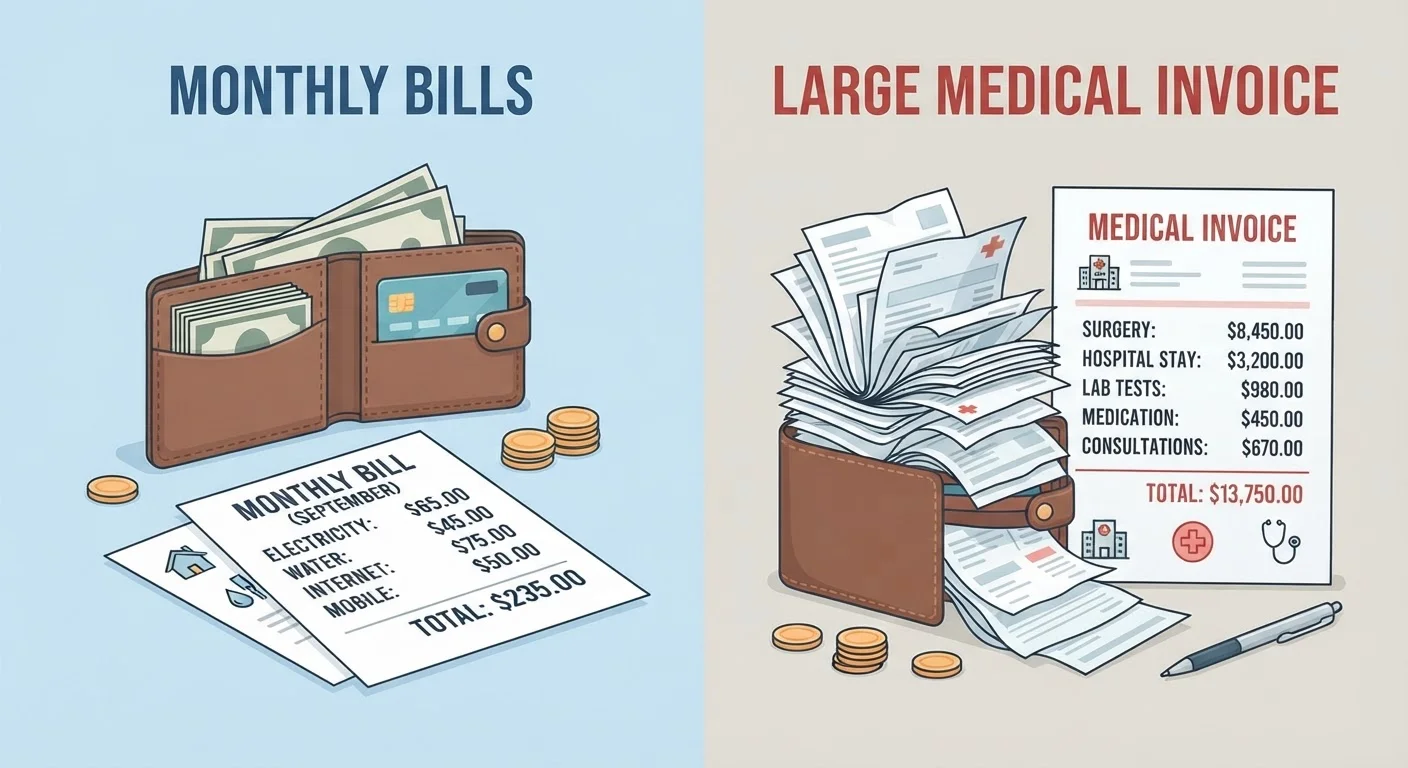
High-deductible plans can be a smart financial move for healthy individuals who rarely use medical care and can build up an HSA cushion over time. However, they can expose people with ongoing health needs to substantial out-of-pocket costs that quickly outweigh the premium savings. Understanding your own healthcare usage and financial situation is essential before choosing this type of plan.
Best for generally healthy adults with stable finances who want lower monthly premiums and the ability to invest through an HSA.
What Makes a Plan 'High-Deductible'?
A high-deductible health plan (HDHP) is defined by the IRS each year based on minimum deductible thresholds and maximum out-of-pocket limits. In general terms, you pay a lower monthly premium, but you're responsible for a larger share of medical costs before your insurer starts covering most expenses.
The deductible is the amount you pay out of pocket for covered services before insurance steps in. With an HDHP, that number is meaningfully higher than with traditional plans. Once you hit your deductible, you typically share costs with the insurer through coinsurance until you reach an out-of-pocket maximum — after which the insurer covers 100% of in-network costs for the rest of the year.
If you're new to how insurance policies are structured, the guide for first-time insurance buyers covers the core mechanics worth knowing before evaluating any plan.
The Advantages of High-Deductible Plans
For the right person, an HDHP offers genuine financial benefits — not just in monthly savings, but in longer-term wealth-building tools.
Lower monthly premiums reduce everyday budget strain
HDHPs typically charge noticeably less per month than comparable traditional plans. For healthy individuals who rarely seek care, this can translate to meaningful annual savings.
HSA eligibility unlocks a powerful tax-advantaged account
Only HDHP enrollees can contribute to an HSA. Contributions reduce taxable income, funds grow tax-free, and qualified withdrawals are also tax-free — a rare triple tax benefit.
HSA funds roll over and can be invested long-term
Unlike Flexible Spending Accounts (FSAs), HSA balances don't expire at year end. Many HSA providers allow account holders to invest balances in funds, letting the money grow over time.
Preventive care is often covered before the deductible
Under federal law, most HDHPs must cover a defined set of preventive services — such as annual checkups and certain screenings — at no cost to the enrollee, even before the deductible is met.
Encourages more cost-conscious healthcare decisions
When you're paying out of pocket before the deductible, you may be more inclined to compare costs, use in-network providers, and avoid unnecessary care — which can lower overall spending.
~57%
Private-sector workers offered HDHPs
According to the Kaiser Family Foundation's Employer Health Benefits Survey, a majority of workers at firms offering health benefits had access to an HDHP option.
$4,300+
IRS individual HSA contribution limit (2025)
The IRS sets annual HSA contribution limits; for 2025, the limit for self-only HDHP coverage is $4,300, with higher limits for family coverage.
One of the most significant perks is access to a Health Savings Account (HSA). Contributions are tax-deductible, growth is tax-free, and withdrawals for qualified medical expenses are also tax-free — a combination unavailable with most other accounts. Unused funds roll over year to year, so an HSA can grow into a meaningful medical emergency fund over time.
The Disadvantages of High-Deductible Plans
The lower premium is the headline number, but it doesn't tell the whole story. Before choosing an HDHP, it's worth understanding where the plan can work against you.
Large upfront costs before coverage kicks in
Until you meet your deductible, most medical expenses come straight out of your pocket. An unexpected illness or injury early in the year can mean thousands of dollars in costs before insurance provides meaningful relief.
Not well-suited for frequent or chronic care needs
People managing ongoing conditions, multiple prescriptions, or regular specialist visits often spend more total under an HDHP than they would under a plan with higher premiums and lower cost-sharing.
Financial risk if savings aren't in place
An HDHP assumes you can cover the deductible if needed. Without an HSA or emergency savings as a buffer, a medical event can create immediate financial hardship.
HSA benefit requires active management and funding
The tax advantages of an HSA are only realized if you actually contribute to it. Many people with HDHPs don't fund their HSA adequately, leaving the plan's main upside unused.
Complexity can lead to delayed or avoided care
Awareness of high out-of-pocket costs can cause some people to delay seeking care they actually need, which may worsen health outcomes and lead to higher costs down the road.
People with chronic conditions, regular prescriptions, or growing families are especially vulnerable to high out-of-pocket exposure. An honest look at your prior year's healthcare spending is one of the most useful exercises you can do. Understanding where underinsurance gaps commonly appear can help you assess whether your coverage truly meets your needs.
Out-of-Pocket Maximum Provides a Safety Net
Every ACA-compliant health plan, including HDHPs, must cap your annual out-of-pocket costs at a federally set limit. Once you reach that ceiling, the insurer covers 100% of in-network covered services for the rest of the plan year. This doesn't eliminate the financial shock of a bad year, but it does put a defined upper boundary on your exposure. Check your plan documents to confirm your specific out-of-pocket maximum.
How to Decide If an HDHP Makes Sense for You
Choosing between an HDHP and a traditional plan comes down to a few practical questions: How often do you use medical care? Could you cover the full deductible if something unexpected happened this month? Do you have the income to fund an HSA meaningfully?
A useful starting point is to compare the total potential cost of each plan — not just premiums. Add up annual premiums plus likely out-of-pocket costs under each scenario. For a structured approach to comparing insurance policies, a side-by-side framework can help you weigh the numbers more clearly.
If you already have an HDHP and want to make the most of it, strategies like maximizing HSA contributions and understanding which preventive services are typically covered at no cost under federal law can significantly reduce your financial exposure. See tips for getting more from your insurance policy for practical guidance.
This article is for general informational purposes only and does not constitute personalized insurance, financial, or legal advice. Coverage terms, deductible amounts, and eligibility vary by plan and provider. Consult a licensed insurance agent or financial adviser to evaluate options suited to your specific situation.
The content on this site is for informational purposes only and is not a substitute for professional advice. Always consult a qualified professional for guidance specific to your situation.