

Our Verdict
For the vast majority of cat owners, spaying or neutering is a well-supported, responsible decision that benefits both individual feline health and the broader cat population. The potential drawbacks — primarily surgical risk and post-operative weight management — are manageable with good veterinary guidance and attentive care at home.
This article is most useful for new or prospective cat owners weighing the decision for the first time, or anyone who wants a clearer understanding of what the procedures actually involve.
What the Procedures Actually Involve
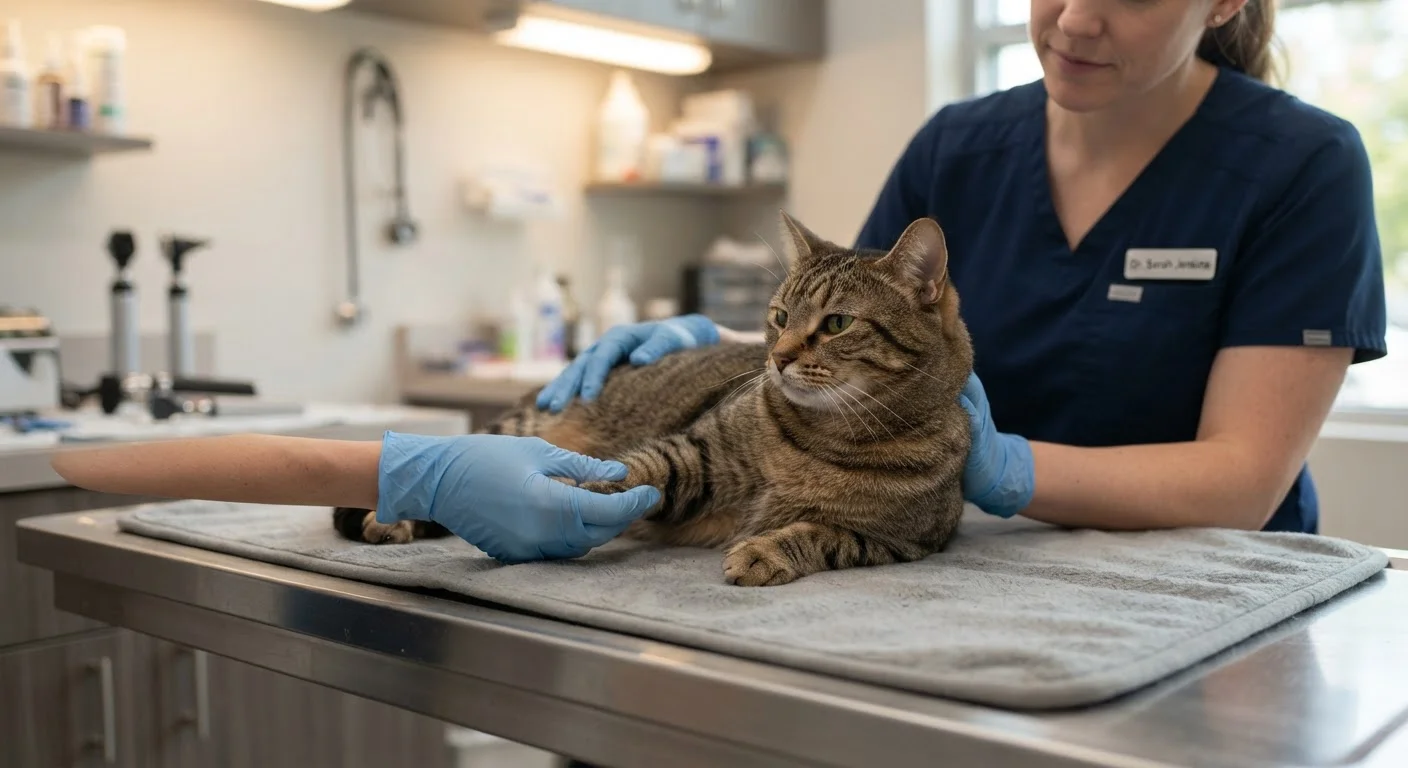
Spaying (ovariohysterectomy) is the surgical removal of a female cat's ovaries and uterus. Neutering (orchiectomy) removes a male cat's testes. Both are performed under general anesthesia by a licensed veterinarian and are among the most commonly performed feline surgeries in the US.
Most cats are discharged the same day. Recovery typically takes around 10–14 days, during which owners monitor the incision and restrict vigorous activity. Females generally have a slightly longer recovery than males due to the abdominal nature of the surgery.
If you're preparing to bring a cat home for the first time, our guide for new cat owners covers how to set up a recovery-friendly space alongside other first-week essentials.
Health Benefits: What the Evidence Supports
The clearest health argument for spaying is the prevention of pyometra — a life-threatening uterine infection that commonly affects intact females, particularly as they age. Spayed females also cannot develop ovarian cancer, and early spaying is associated with a meaningfully lower risk of mammary tumors.
For males, neutering eliminates the possibility of testicular cancer and may reduce the risk of some prostate conditions. It's worth noting that neutering does not prevent all health conditions — feline lower urinary tract issues, for example, are influenced by diet and lifestyle, not reproductive status.
~3.2M
Cats entering US shelters annually
According to the ASPCA, approximately 3.2 million cats enter US animal shelters every year, underscoring the scale of the overpopulation challenge.
~86%
Mammary tumors that are malignant in cats
Veterinary oncology literature consistently reports that the majority of feline mammary tumors are malignant, making early spaying a meaningful preventive measure.
Spaying and neutering are one component of a broader preventive care approach. The Cat Owner's Preventive Health Checklist outlines other routine steps — from vaccinations to dental care — that support long-term feline wellness.
Behavioral Effects: What to Realistically Expect
Many behavioral changes owners hope for do occur after the procedure, but they're not guaranteed or immediate. Hormone-driven behaviors — such as yowling during heat, urine spraying, and territorial aggression — often reduce substantially. However, cats that have practiced a behavior for a long time before being neutered may continue it to some degree out of habit.
Personality traits like affection, playfulness, and anxiety are shaped more by genetics, early socialization, and environment than by reproductive hormones. Spaying or neutering won't fundamentally change who your cat is.
Timing Varies — Ask Your Vet
While many vets recommend spaying or neutering around 4–6 months of age, the ideal timing can depend on a cat's breed, health, and living situation. Large-breed cats and those with certain health considerations may warrant a different schedule. Your veterinarian is the best resource for personalized guidance — this article is general information, not medical advice.
Understanding your cat's signals more broadly can help you notice behavioral shifts after the procedure. Our feline body language guide explains what tail positions, ear angles, and vocalizations typically communicate.
Weighing the Pros and Cons
For most household cats, the benefits of spaying or neutering clearly outweigh the drawbacks — but it helps to understand both sides before making the decision.
Eliminates risk of uterine infections and ovarian cancer
Spayed females cannot develop pyometra, a serious and potentially fatal uterine infection, or ovarian cancer. These conditions are not uncommon in intact older females.
Significantly reduces mammary tumor risk in females
Research suggests spaying before the first heat cycle substantially lowers the likelihood of mammary tumors, which are malignant in a high proportion of cats.
Eliminates testicular cancer risk in males
Neutering removes the testes entirely, making testicular cancer impossible and reducing the risk of certain prostate issues.
Reduces or eliminates hormone-driven behaviors
Heat cycles in females (yowling, restlessness) and male behaviors like urine spraying, roaming, and aggression toward other cats often diminish significantly after the procedure.
Helps control cat overpopulation
Millions of cats enter shelters each year in the US. Preventing unplanned litters reduces the burden on rescue organizations and the number of cats without homes.
Carries standard surgical and anesthesia risks
As with any surgery, there is a small risk associated with general anesthesia and the procedure itself. Most healthy cats tolerate it well, but older or health-compromised cats require extra assessment.
Altered metabolism can lead to weight gain
Hormonal changes after the procedure can slow metabolism, making cats more prone to weight gain if diet and activity levels aren't adjusted accordingly.
Requires post-operative home management
Owners must monitor the incision site, restrict activity for several days, and prevent the cat from licking the wound — which some cats find stressful.
Upfront veterinary cost
The procedure involves an exam, anesthesia, surgery, and sometimes follow-up. While low-cost clinics exist in many areas, cost can be a barrier for some owners.
Weight management deserves particular attention post-surgery. Feeding appropriate portion sizes and encouraging play can offset the metabolic slowdown that sometimes follows the procedure. If your cat spends time outdoors, research on indoor vs outdoor cats is worth reviewing — intact outdoor cats face compounded risks from roaming and encounters with other animals.
This article is for general informational purposes only and is not a substitute for veterinary medical advice. Always consult a qualified veterinarian before making decisions about your cat's health care.
The content on this site is for informational purposes only and is not a substitute for professional advice. Always consult a qualified professional for guidance specific to your situation.