

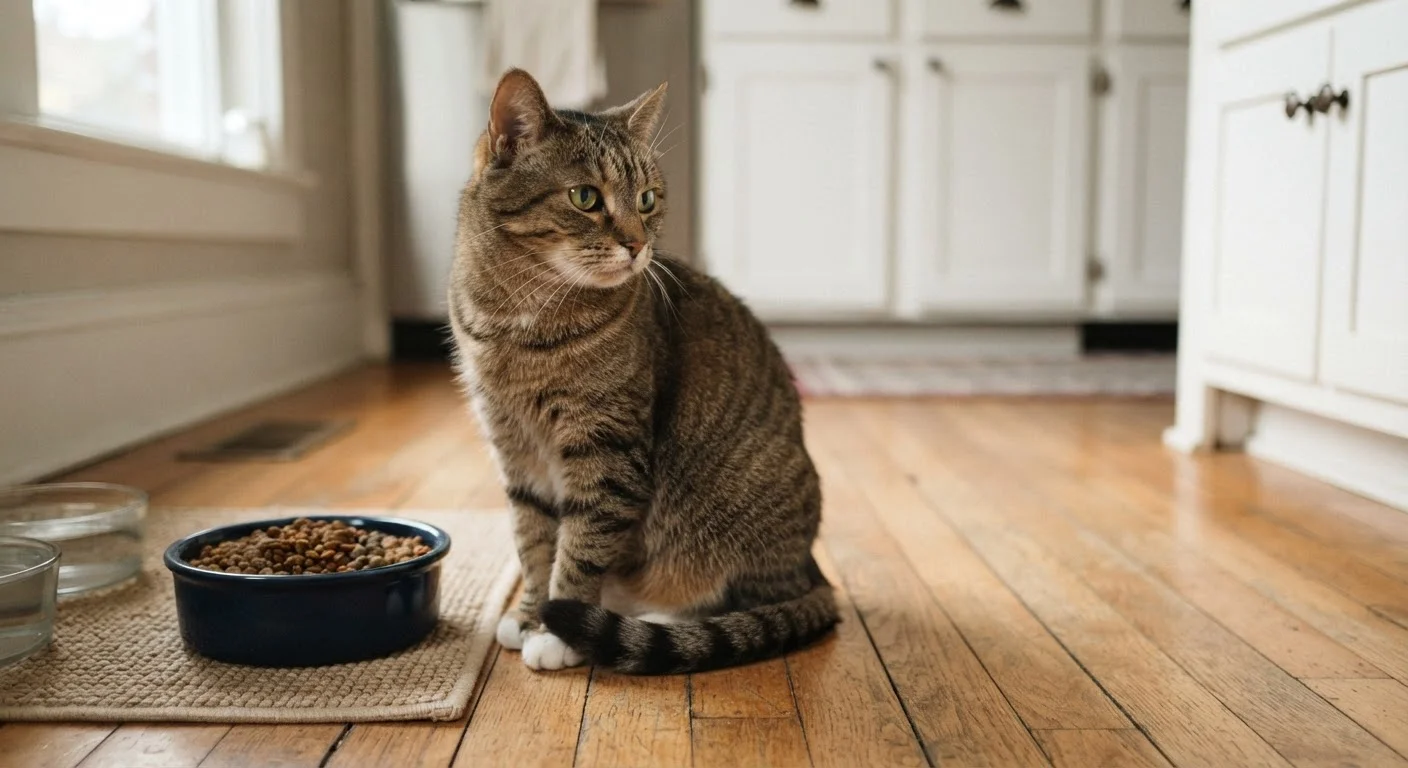
Why Appetite Matters So Much in Cats
A cat's relationship with food is tightly linked to its overall health. Unlike dogs, cats cannot safely fast for extended periods. Because cats metabolize fat differently, a cat that stops eating for even a few days can develop hepatic lipidosis — commonly called fatty liver disease — a potentially life-threatening condition where fat accumulates in liver cells faster than the body can process it. This makes appetite loss in cats a time-sensitive concern.
Understanding why cats have unique nutritional needs helps explain why prolonged food avoidance is so risky. As obligate carnivores, cats require a consistent intake of animal-based protein and specific nutrients like taurine that they cannot synthesize on their own.
2–3 days
Time before hepatic lipidosis risk becomes serious
Veterinary medicine widely recognizes that cats are at elevated risk for fatty liver disease after just 48–72 hours without adequate food intake.
~70%
Cats with dental disease by age 3
The American Veterinary Dental College estimates a significant majority of cats show signs of dental disease by age three, making it a leading hidden cause of appetite changes.
30–40%
Senior cats affected by chronic kidney disease
Studies in veterinary literature suggest chronic kidney disease affects a substantial proportion of cats over age 10, with appetite loss being one of the earliest owner-noticed signs.
Common Causes of Appetite Loss in Cats
Appetite loss rarely has a single cause. The most frequent culprits fall into three broad categories:
Physical or Medical Causes
- Dental disease: Pain from inflamed gums, tooth resorption, or abscesses can make eating uncomfortable. The cat may approach its bowl but refuse to engage — a classic sign of pseudo-anorexia.
- Nausea and gastrointestinal issues: Hairballs, inflammatory bowel disease, pancreatitis, and intestinal parasites can all suppress appetite.
- Kidney disease: Chronic kidney disease is common in older cats and often causes nausea and reduced appetite before other symptoms are obvious. See our guide on caring for ageing cats for more context.
- Systemic illness: Infections, hyperthyroidism, diabetes, and cancer can all affect appetite.
Behavioral and Stress-Related Causes
- Moving to a new home, introducing a new pet, or changes in the household routine
- Conflict with another animal near the food bowl
- A negative association with a specific food — particularly if a cat felt nauseous after eating it previously
Environmental or Practical Causes
- A recently changed food formula or texture
- A dirty bowl or one placed near a litter box
- Food that has spoiled or is past its freshness point
Knowing how to read your cat's overall demeanor alongside its eating habits is valuable. Our guide to feline body language can help you spot other signals your cat may be sending.
Warming Food Can Help Reluctant Eaters
Gently warming wet food to approximately room temperature or slightly above can enhance its aroma and make it more enticing for a cat that has lost interest. Never microwave food in a metal container, and always stir it and test the temperature before serving to avoid hot spots that could burn your cat's mouth.
What to Do When Your Cat Won't Eat
Your response should match the urgency of the situation. Here's a practical framework:
- Note the timeline. Has your cat skipped one meal or refused food for more than a day? Brief meal skipping can be normal; extended refusal is not.
- Check for obvious triggers. Has anything changed recently — new food, new pet, household disruption, or a recent vaccination? Vaccines can temporarily suppress appetite for 24 hours.
- Assess other symptoms. Is your cat vomiting, lethargic, hiding, losing weight, or showing signs of pain? Any of these alongside appetite loss warrants a vet visit promptly.
- Try minor adjustments before switching foods entirely. Warming wet food slightly can release aroma and make it more appealing. Ensure the bowl is clean and positioned away from the litter box. Avoid switching to a completely different diet without veterinary input — abrupt changes can worsen gastrointestinal upset.
- Call your vet. If your cat has not eaten for 24–48 hours, or if any concerning symptoms accompany the appetite loss, contact your veterinarian. Do not wait and see past this window.
When helping your cat return to eating, it can be useful to review how to read a cat food label to confirm you're offering something nutritionally appropriate.
Food Refusal in Senior Cats Needs Extra Attention
Older cats are more likely to have underlying conditions — including kidney disease, hyperthyroidism, or dental disease — that suppress appetite quietly before other symptoms appear. If your cat is 10 years or older and skips even one full day of meals, veterinary consultation is especially important. Aging cats also have altered nutritional needs that make prolonged fasting particularly risky.
This article is for general informational purposes only and is not a substitute for professional veterinary advice. If your cat is unwell, contact a licensed veterinarian.
Frequently Asked Questions
Most cats should not go more than 24–48 hours without food before a vet is consulted. Beyond that, the risk of hepatic lipidosis — a dangerous liver condition — increases significantly, especially in overweight cats.
Cats are sensitive to change. A new food, a rearranged room, a new pet, or even a different schedule can suppress appetite temporarily. If the behavior continues past 24 hours or other symptoms appear, contact your vet.
Yes. Stress and anxiety are very common causes of appetite loss in cats. Moving homes, loud environments, changes to the household, or conflict with another animal can all trigger it.
Offering a different texture or slightly warming wet food can sometimes help, but abrupt diet changes can cause digestive upset. If your cat refuses multiple meals, speak to a vet rather than cycling through different foods.
Absolutely. Dental disease is one of the most underdiagnosed causes of appetite loss in cats. A cat with painful teeth or gums may approach the bowl and then walk away — a pattern sometimes called pseudo-anorexia.
Seek urgent veterinary care if your cat hasn't eaten for more than 48 hours, is losing weight rapidly, is vomiting repeatedly, appears lethargic, or shows signs of jaundice such as yellowing of the skin or eyes.
The content on this site is for informational purposes only and is not a substitute for professional advice. Always consult a qualified professional for guidance specific to your situation.