

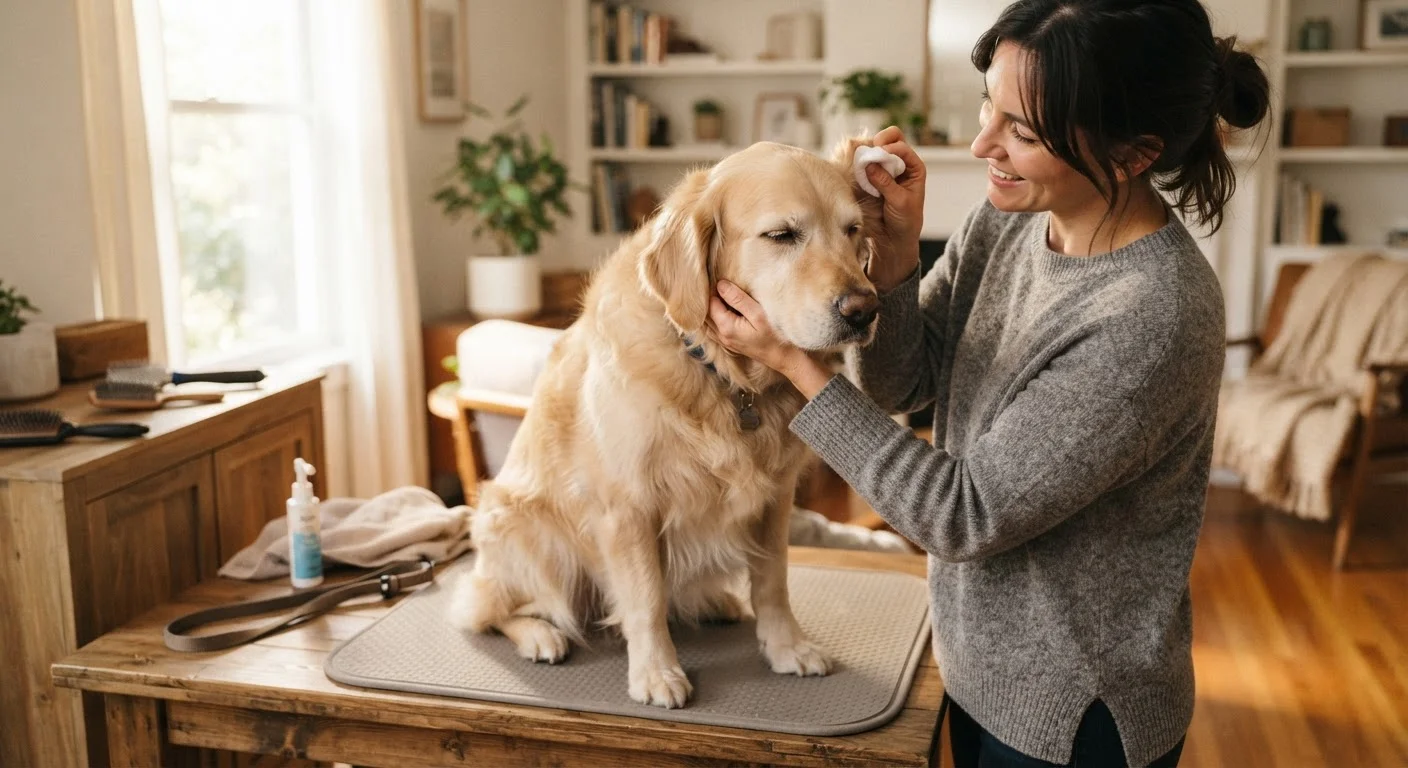
Why Grooming Gaps Are So Common
Most dog owners brush their dogs regularly and schedule annual vet visits — but a handful of routine care tasks get quietly dropped. Ear cleaning, dental hygiene, nail trimming, and paw care are all easy to overlook when there's no immediate sign that something is wrong. The problem is that the consequences of skipping these tasks build slowly, often becoming painful or expensive to treat by the time they're noticed.
If you're new to dog ownership, the full picture of what owning a dog requires is often broader than expected. Grooming is one of those areas where the gap between what owners think is needed and what's actually recommended can be significant.
Skipping ear cleaning until there's a visible problem.
Why it happens: Ears look fine on the outside, so owners assume they're fine inside. Many dogs also resist ear handling, making it easy to put off.
Allowing nails to grow too long between trims.
Why it happens: Nail trimming makes many owners anxious about cutting the quick (the blood vessel inside the nail), so sessions get delayed or skipped entirely.
Neglecting dental hygiene between annual vet checkups.
Why it happens: Toothbrushing feels awkward with dogs, and owners often assume bad breath is just normal. Dental disease builds slowly, so the consequences aren't immediately visible.
Ignoring paw pad and nail bed care in seasonal or rough conditions.
Why it happens: Owners focus on coat and bathing but overlook that paws are constantly in contact with abrasive or chemically treated surfaces.
Not acclimating puppies or new dogs to grooming early.
Why it happens: New owners focus on basic training and socialization and treat grooming as something to deal with later — by which point resistance is established.
Building a Realistic Grooming Routine
The most effective grooming routines are short, consistent, and built around a dog's individual needs. Breed, coat type, activity level, and age all influence how often each task needs attention — but a general weekly check covering ears, paws, teeth, and nails takes only a few minutes once it becomes habit.
Grooming Is a Health Issue, Not Just Aesthetics
Skipped grooming tasks can lead to painful infections, structural problems, and conditions that require veterinary treatment. Dental disease, ear infections from moisture buildup, and nail-related gait problems are common but largely preventable. If you notice redness, swelling, unusual odor, or changes in your dog's behavior around grooming, contact your veterinarian — don't wait for a scheduled visit.
Senior dogs often need more frequent grooming attention as mobility changes affect how they wear down nails and how they tolerate handling. The care adjustments that help ageing dogs stay comfortable extend naturally into grooming. Similarly, grooming costs are worth factoring into your overall budget — professional grooming sessions and veterinary dental cleanings represent real annual expenses, and a realistic view of dog ownership costs helps owners plan ahead.
When grooming is introduced thoughtfully and practiced consistently, most dogs learn to tolerate — and some even enjoy — the routine. The goal isn't perfection; it's regularity.
80%
Dogs with dental disease by age 3
According to the American Veterinary Medical Association, an estimated 80% of dogs show signs of periodontal disease by age three, largely due to insufficient dental care at home.
Every 3–4 weeks
Recommended nail trim frequency
Veterinary and grooming guidelines generally recommend trimming dog nails every three to four weeks to prevent overgrowth and associated gait problems.
The content on this site is for informational purposes only and is not a substitute for professional advice. Always consult a qualified professional for guidance specific to your situation.