

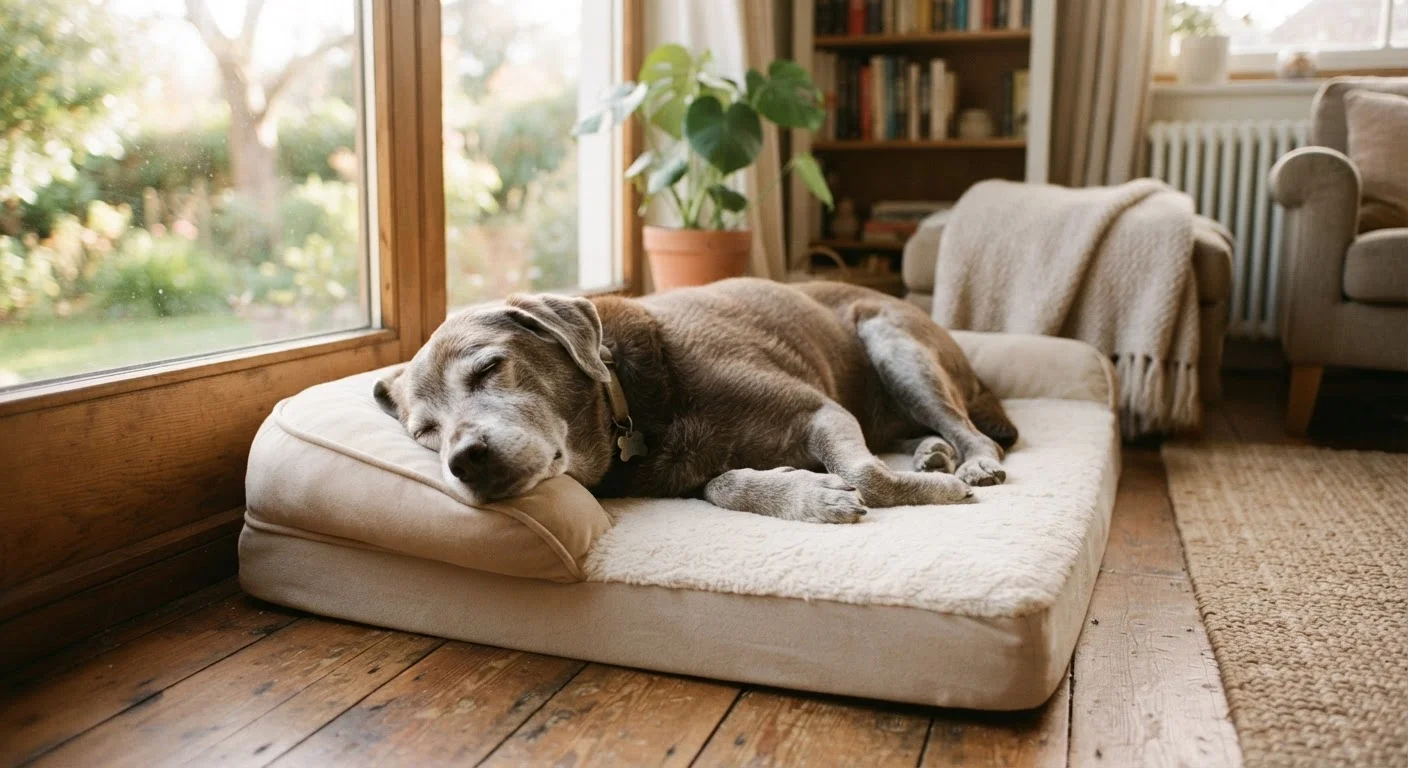
When Does a Dog Become a Senior?
Most veterinarians classify dogs as seniors around age 7, but this varies significantly by size. Large and giant breeds, such as Great Danes and Saint Bernards, may enter their senior years as early as 5 or 6, while small breeds like Chihuahuas often remain in their prime well past 8. Understanding your dog's individual aging timeline helps you start adapting care before problems arise rather than in response to them.
The transition isn't always dramatic. You might notice your dog taking longer to get up in the morning, tiring more quickly on walks, or sleeping more than usual. These changes can be subtle at first, which is why knowing the baseline of your dog's behavior matters so much. If something feels off — even if it's hard to name — it's worth a conversation with your veterinarian.
Best Practices for Senior Dog Comfort
Caring for an ageing dog well doesn't require a complete overhaul of your routine — it means making deliberate, considered adjustments that address your dog's changing body and mind.
Switch to a senior-appropriate diet formulated for your dog's size and condition.
Older dogs have different caloric and nutritional needs — many need fewer calories to avoid weight gain, while others need higher-quality protein to maintain muscle mass. Some seniors also benefit from added joint-supporting nutrients like omega-3 fatty acids. Your vet can recommend the right transition based on your dog's weight and health history.
Upgrade to an orthopedic or memory foam dog bed placed in an easily accessible location.
Arthritis and joint stiffness are among the most common issues in senior dogs. A supportive sleeping surface reduces pressure on joints and makes rest more restorative. Placement matters too — avoid drafty spots and areas that require climbing stairs or jumping.
Add ramps or steps to help your dog reach furniture or get in and out of vehicles.
Jumping up and down repeatedly stresses aging joints, especially in dogs with early hip dysplasia or spinal issues. A gentle ramp provides the same access without the impact. This is particularly important for breeds prone to back problems, such as Dachshunds.
Schedule veterinary check-ups every six months rather than annually.
Health conditions in senior dogs can develop and progress quickly. Biannual exams allow vets to catch issues like kidney disease, dental deterioration, or tumors earlier, when treatment options are typically more effective and less invasive.
Provide gentle, consistent mental stimulation through sniff walks, food puzzles, and calm training sessions.
Canine cognitive dysfunction — a condition similar to dementia in humans — affects a meaningful proportion of dogs over age 11. Regular mental engagement may help slow cognitive decline and maintains the dog's sense of purpose and connection. Short, low-pressure activities are better than intense or unpredictable ones.
Place non-slip mats or rugs on hard floors throughout your home.
Older dogs often lose muscle mass and coordination, making smooth floors a fall risk. Non-slip surfaces give dogs the traction they need to move confidently, reducing the risk of slips that could cause injury or increase fear of movement.
Quick Wins You Can Implement Today
Some of the most impactful changes for a senior dog are also the simplest. Start here before tackling bigger adjustments.
For a broader framework on matching activity to your dog's age and ability, see our guide to dog exercise needs. And if grooming has slipped down the priority list, our piece on grooming routines dog owners often skip is especially relevant — dental health and nail length both affect mobility in older dogs.
This article is for general informational purposes only and is not a substitute for professional veterinary advice. Always consult a licensed veterinarian for guidance specific to your dog's health and needs.
The content on this site is for informational purposes only and is not a substitute for professional advice. Always consult a qualified professional for guidance specific to your situation.