

Why the Nitrogen Cycle Is the Most Important Concept in Fishkeeping
Many new aquarium owners focus on choosing fish, decorating the tank, and getting the temperature right — and those things do matter. But the single biggest factor in whether fish survive their first weeks is water chemistry, specifically whether the tank has an active nitrogen cycle.
Fish produce waste constantly. That waste, along with uneaten food and decaying plant matter, releases ammonia into the water. Even small amounts of ammonia stress fish, damage their gills, and can be lethal within hours at higher concentrations. Without a biological process to remove it, ammonia accumulates rapidly.
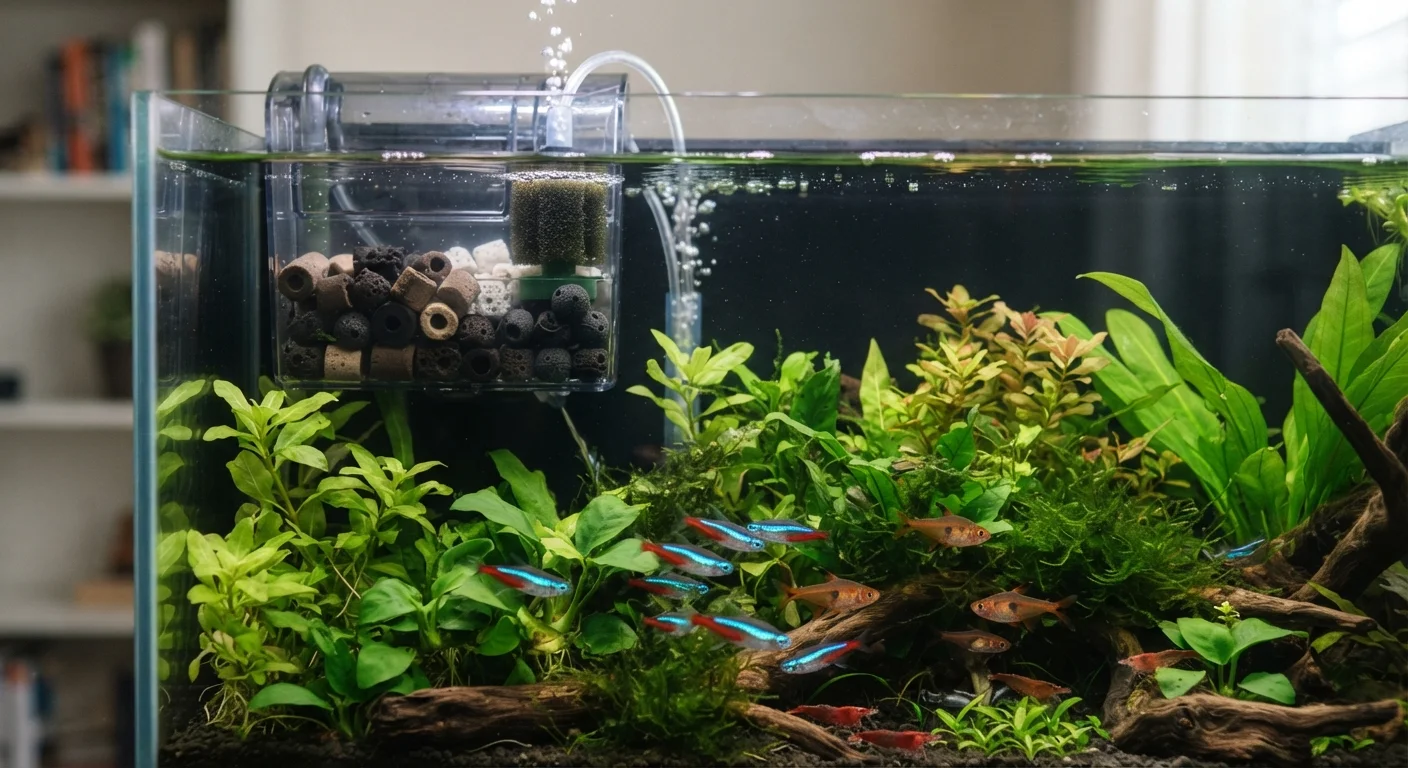
The nitrogen cycle solves this problem through beneficial bacteria that colonize your filter media, gravel, and tank surfaces. These bacteria consume ammonia and convert it into nitrite — which is also toxic but manageable — and then a second bacterial group converts nitrite into nitrate, which is relatively harmless at low levels and removed through regular water changes.
Understanding this process is what separates fish owners who struggle from those whose tanks thrive. See our guide to setting up your first fish tank for broader context on getting started correctly.
4–8 weeks
Typical time to fully cycle a new tank
Most aquarium keeping resources and veterinary fish health guides cite this range as standard for establishing a stable bacterial colony from scratch.
< 0.5 ppm
Safe ammonia level for most freshwater fish
According to general aquatic veterinary guidance, ammonia above this threshold causes measurable physiological stress; ideally it should read zero in an established tank.
< 40 ppm
Generally accepted nitrate ceiling for most fish
While exact tolerances vary by species, keeping nitrate below 40 ppm through regular water changes is a widely recommended target in freshwater fishkeeping.
The Three Stages of the Nitrogen Cycle
The cycle moves through three distinct chemical stages, each driven by a different population of bacteria:
- Ammonia (NH₃): Fish waste, excess food, and decomposing organic matter all produce ammonia. This is stage one, and it's the most immediately dangerous. A reading of just 1–2 ppm (parts per million) can cause visible stress in fish.
- Nitrite (NO₂⁻): Nitrosomonas bacteria consume ammonia and produce nitrite as a byproduct. Nitrite is also toxic — it interferes with fish blood's ability to carry oxygen, a condition sometimes called brown blood disease. During cycling, nitrite levels spike before dropping.
- Nitrate (NO₃⁻): A second group of bacteria (primarily Nitrospira) converts nitrite into nitrate. Nitrate is far less harmful at moderate concentrations and is diluted with regular partial water changes. Live plants can also absorb nitrate directly.
In a fully cycled tank, beneficial bacteria process waste quickly enough that ammonia and nitrite stay at or near zero. Nitrate accumulates gradually and is managed with routine maintenance.
Use a Liquid Test Kit, Not Strips
Liquid test kits are significantly more accurate than dip strips for measuring ammonia, nitrite, and nitrate. Investing in a reliable liquid kit helps you catch problems before they become emergencies. Test at the same time of day for consistent comparisons.
How to Cycle Your Tank Before Adding Fish
The safest approach for new tanks is a fishless cycle. You establish bacteria colonies before any fish are present, eliminating the risk of exposing live animals to toxic spikes.
Here's the general process:
- Set up the tank fully — filter running, heater at target temperature, water treated with a dechlorinator.
- Add an ammonia source. Pure ammonia drops (unscented, without surfactants) or a small piece of fish food will feed the bacteria you're cultivating.
- Test ammonia, nitrite, and nitrate every few days using a liquid test kit (more reliable than strip tests).
- After 1–2 weeks, you should see nitrite rising as ammonia starts to fall — a sign bacteria are working.
- After 4–8 weeks, both ammonia and nitrite should read zero, and nitrate will be present. Your tank is cycled.
You can speed up the process by adding a small amount of gravel or filter media from an already-established, healthy tank, which introduces beneficial bacteria directly. If fish loss has you troubleshooting a tank that may not be properly cycled, our article on why fish keep dying covers what to check.
Maintaining the Cycle in an Established Tank
Once the cycle is established, your job is to protect it. The bacterial colonies that drive the cycle can be disrupted more easily than most people expect.
Common things that harm beneficial bacteria include:
- Rinsing filter media under tap water (chlorine kills bacteria — rinse in old tank water instead)
- Adding too many fish at once, overwhelming the bacteria's processing capacity
- Using antibiotics or certain medications, which can kill beneficial bacteria along with pathogens
- Extended power outages that stop filter flow and oxygen supply to bacteria
To keep the cycle stable, perform partial water changes of 20–30% weekly to dilute nitrate. Avoid overfeeding — uneaten food rapidly raises ammonia. Test your water periodically, especially after any significant change to the tank.
Medications Can Disrupt Your Cycle
If you need to treat fish for illness, be aware that some aquarium medications — particularly those containing antibiotics or certain antifungals — can reduce beneficial bacteria populations. Consider treating sick fish in a separate hospital tank when possible, and test your main tank water after any medication course.
The nitrogen cycle is not a one-time event. It's an ongoing biological system that requires consistent maintenance to keep your fish safe and your tank water clear.
Frequently Asked Questions
Most aquariums take between 4 and 8 weeks to fully cycle, though this can vary based on tank size, temperature, and whether you use a cycle-starter product. The process is complete when ammonia and nitrite both read zero on a water test kit and nitrate is detectable.
Adding fish before the cycle is established exposes them to toxic ammonia and nitrite spikes, which is a leading cause of early fish loss. If you must add fish early, choose hardy species and perform very frequent partial water changes to keep toxin levels low.
Ammonia can spike in a cycled tank if you overfeed, add too many fish at once, lose a fish that goes unnoticed, or clean your filter too aggressively and remove beneficial bacteria. Testing your water after any significant change helps you catch problems early.
Use a liquid test kit to check ammonia, nitrite, and nitrate levels. A fully cycled tank will show zero ammonia, zero nitrite, and a measurable but manageable nitrate level. Tests should be taken on separate days to confirm stable readings.
New tank syndrome refers to the ammonia and nitrite spikes that occur in an uncycled aquarium. Without established bacteria colonies, toxins accumulate rapidly and can quickly reach levels that are fatal to fish. Proper cycling prevents this.
The content on this site is for informational purposes only and is not a substitute for professional advice. Always consult a qualified professional for guidance specific to your situation.