

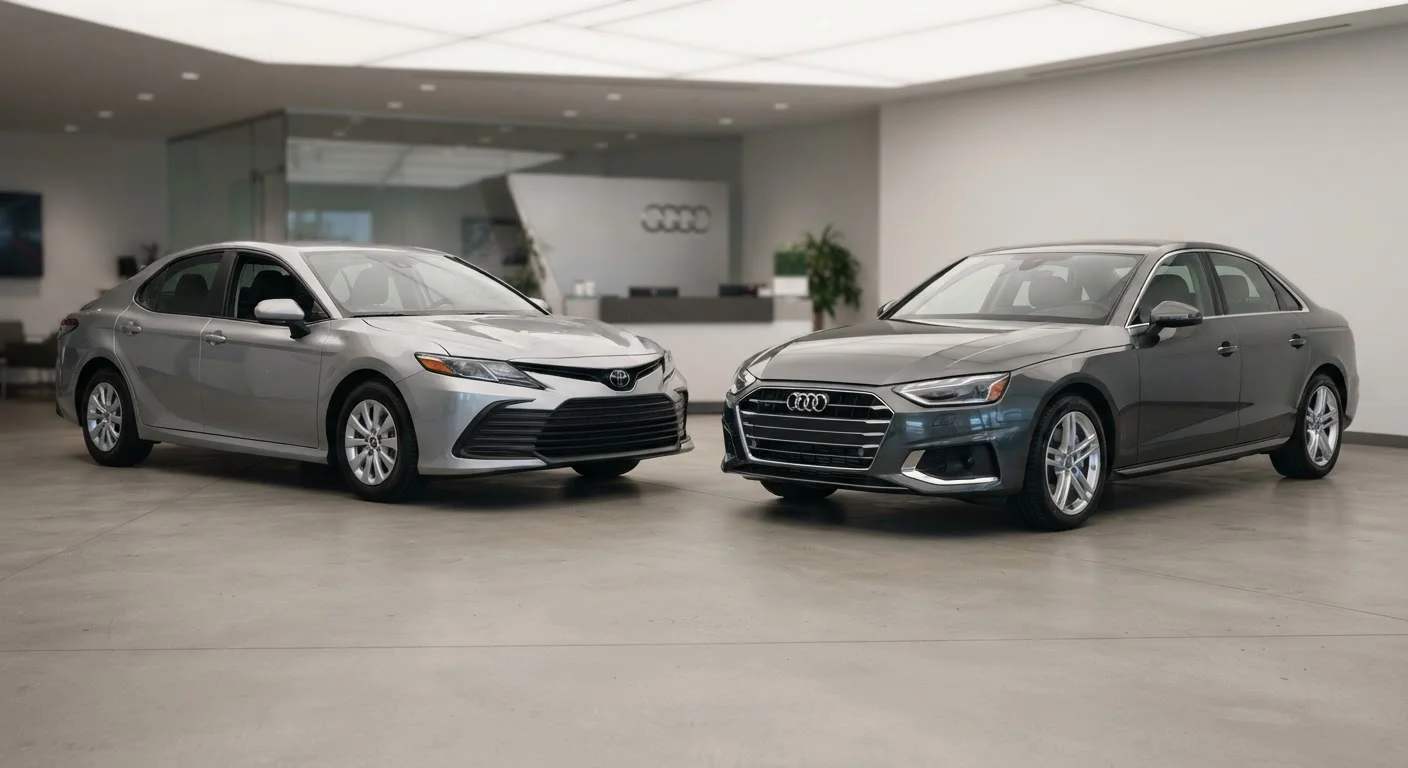
Our Verdict
Entry-level and mid-range models serve genuinely different purposes within an automaker's lineup. Entry-level vehicles suit drivers who prioritize cost, simplicity, and low overhead. Mid-range models make sense for those who spend significant time in their car and want a more complete feature set without moving into premium pricing. Neither tier is inherently superior - the right choice depends on individual needs and priorities.
| Best for | Recommended |
|---|---|
| Drivers focused on lowest purchase price and running costs | Entry-Level |
| Daily commuters wanting more comfort and technology | Mid-Range |
| First-time car buyers learning what features they actually need | Entry-Level |
| Families who want added safety features without luxury pricing | Mid-Range |
How Automakers Structure Their Model Ranges
Most mainstream automakers organize their vehicle lineups into tiers - broad categories that signal a model's intended audience, price position, and overall specification level. Entry-level and mid-range are the two most commonly referenced positions in this hierarchy, sitting below premium and luxury categories.
These tiers are not the same as trim levels. A trim level (such as base, Sport, or Limited) describes the specification options within a single model. A model tier describes where an entire model sits relative to other models in the same brand's portfolio. Understanding this distinction is useful before comparing any two vehicles. For a closer look at how trim levels work, see what vehicle trim levels actually mean in our related coverage.
Positioning within a lineup reflects deliberate decisions by manufacturers about engineering investment, target buyer, and competitive placement - not simply price alone.
What Defines an Entry-Level Model
An entry-level model is designed to serve as the most accessible vehicle in a brand's range. The priorities are typically a lower sticker price, reduced complexity, and lower ownership costs - including insurance, fuel, and maintenance. These vehicles often feature smaller engines, fewer standard technology features, and simpler interior materials.
That said, entry-level does not mean poorly built. Many entry-level models carry the same core safety structures and manufacturing quality as higher-positioned siblings. Regulatory requirements and consumer expectations have pushed standard safety features - such as automatic emergency braking and lane departure warnings - further down the pricing ladder in recent years.
Look Beyond the Sticker Price
When comparing tiers, factor in total cost of ownership - not just the purchase price. Entry-level models often carry lower insurance premiums and simpler maintenance requirements, which can make them more cost-effective over a five-year ownership period. Mid-range models may offset higher upfront costs with better resale value, depending on the brand and segment.
Entry-level models frequently appeal to younger buyers, urban drivers with limited parking demands, or anyone whose primary concern is reliable and affordable transportation without paying for features they won't use regularly.
What Defines a Mid-Range Model
Mid-range models occupy the space between stripped-down entry vehicles and fully featured premium offerings. They typically add more advanced driver assistance systems, larger infotainment screens, upgraded upholstery, and additional powertrain options - without crossing into luxury brand territory.
The mid-range tier is often where automakers concentrate the bulk of their sales volume, because it offers enough features to satisfy most buyers while remaining accessible. Manufacturers frequently invest more heavily in this tier's refinement - noise insulation, suspension tuning, and interior ergonomics - because the competitive pressure at this price point is intense.
| Entry-Level | Mid-Range | |
|---|---|---|
| Typical Price Position | Lowest in brand lineup | Middle of brand lineup |
| Powertrain Options | Usually one base engine | Multiple options, may include hybrid or AWD |
| Standard Technology | Basic infotainment, core safety | Larger screens, more driver assists |
| Interior Materials | Hard plastics, basic fabric | Soft-touch surfaces, upgraded upholstery |
| Target Buyer | Cost-focused, urban, first-time buyers | Daily commuters, families, feature-conscious buyers |
| Running Cost Expectation | Lower insurance and fuel costs | Moderately higher ownership costs |
For context on how different brands approach this positioning, luxury vs. mainstream brand differences explains what separates premium positioning from mainstream mid-range offerings.
Key Differences Between the Two Tiers
The practical differences between entry-level and mid-range models generally fall into a few consistent categories: powertrain options, technology, interior quality, and long-term value considerations.
Entry-level models typically offer a single powertrain option - often a naturally aspirated four-cylinder engine. Mid-range models frequently add turbocharged variants, hybrid configurations, or all-wheel drive as either standard or optional features. Over time, these differences affect not just the driving experience but also resale value trajectories and insurance costs.
Interior material quality is another consistent differentiator. Entry vehicles commonly use harder plastics and simpler seat fabrics. Mid-range interiors may introduce soft-touch surfaces, heated seats, and larger display screens - features that matter more to buyers who spend significant time in their vehicles.
Thinking carefully about your actual usage patterns is one of the most useful steps when comparing tiers. Our guide on questions worth asking when researching a car model can help you identify what truly matters before committing.
How Tier Positioning Can Shift Over Time
Model tiers are not static. Features that were exclusive to mid-range vehicles five or ten years ago - such as rearview cameras, Bluetooth connectivity, and automated emergency braking - have migrated to entry-level positions as costs declined and regulations changed. This means the gap between tiers tends to compress over time, even when price differences remain.
It also means that an older mid-range vehicle may not compare favorably to a current entry-level alternative on safety or technology grounds. This generational factor is worth weighing when considering used vehicles alongside new ones. Our explainer on how the same model can change across generations covers this dynamic in more detail.
Buyers should also understand how model year updates can shift what a given tier includes. Car model years explained outlines what typically changes from one release to the next and why it matters.
The content on this site is for informational purposes only and is not a substitute for professional advice. Always consult a qualified professional for guidance specific to your situation.