Our Verdict
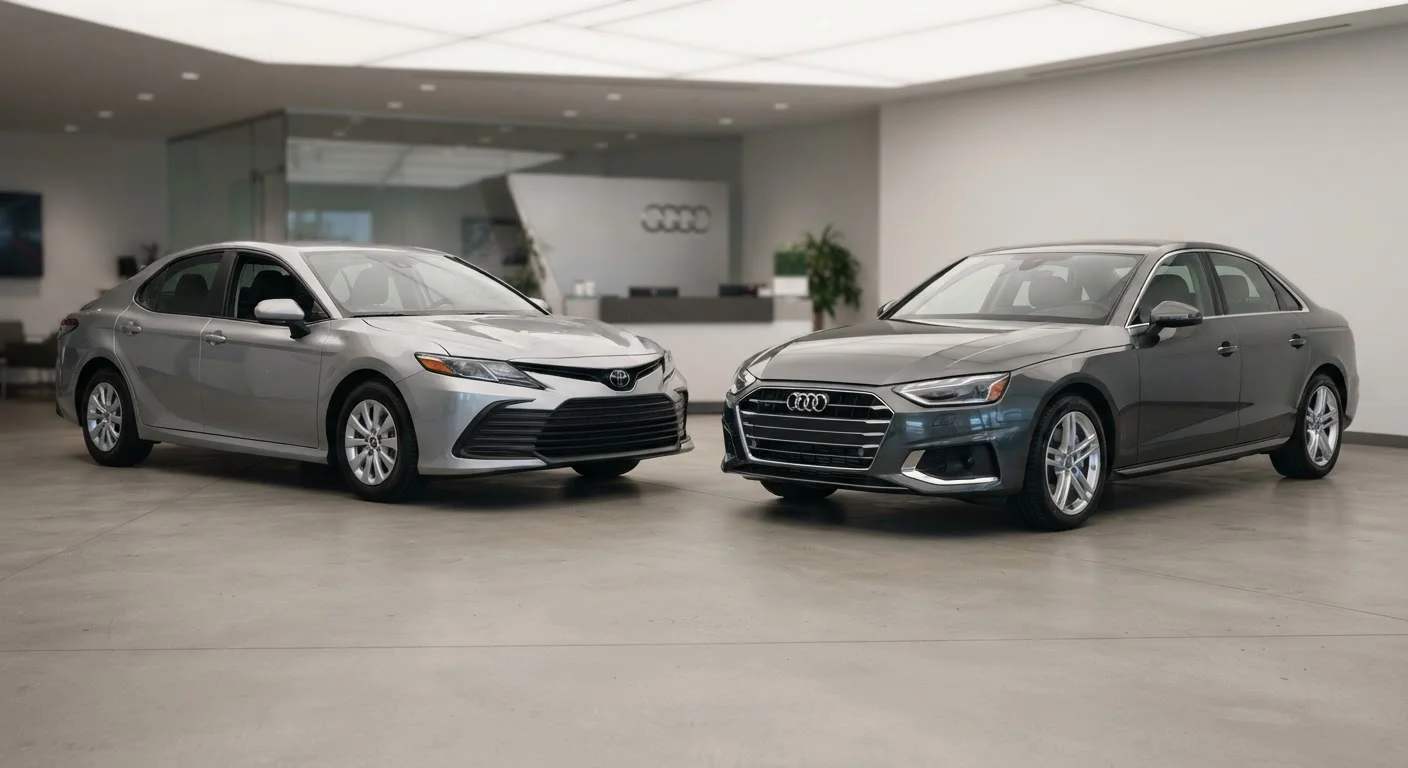
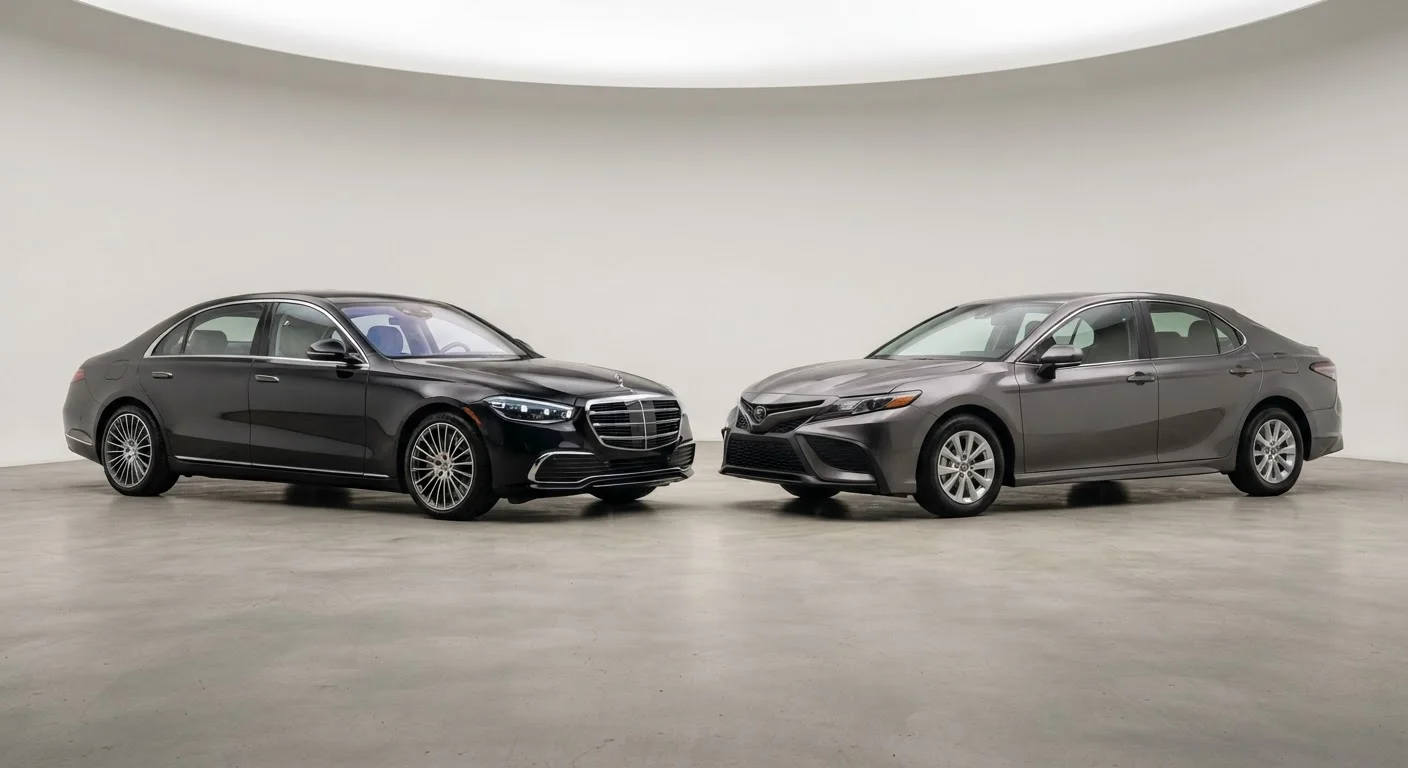
Luxury and mainstream brands occupy genuinely different spaces in terms of engineering investment, materials quality, and ownership experience - but the gap has narrowed in recent decades. The right choice depends on what a driver values most: the prestige and refinement of a dedicated luxury marque, or the improved value and feature set now available in mainstream vehicles.
| Best for | Recommended |
|---|---|
| Drivers who prioritize ride refinement, bespoke materials, and brand prestige | Luxury brands |
| Those seeking strong feature content and lower total ownership cost | Mainstream brands |
| Buyers wanting a middle ground between price and premium feel | Mainstream brands at upper trim levels |
What Actually Defines a Luxury Car Brand
The word "luxury" gets used loosely in automotive marketing, but at its core, a luxury car brand is distinguished by three things: dedicated engineering investment, elevated material standards, and a carefully managed ownership experience. These are not just cosmetic upgrades - they typically represent separate platform development, stricter noise and vibration targets, and supplier relationships that prioritize quality over cost-per-unit.
Mainstream brands design vehicles to meet a broad range of buyers at competitive price points. This requires managing trade-offs - softer sound deadening, higher-volume component sourcing, and trim-level differentiation that stretches a single platform across many configurations. Luxury brands, by contrast, often build platforms around a narrower performance and comfort brief from the start.
It's also worth understanding how corporate ownership fits in. Many luxury nameplates are owned by the same parent automakers behind mainstream brands. However, as explained in our overview of parent automakers and sub-brands, the engineering, development teams, and retail structures are typically kept separate to preserve each brand's distinct character.
Key Differences in Engineering and Build Quality
One of the most tangible differences between luxury and mainstream vehicles is how they are engineered for refinement. Luxury vehicles typically receive more extensive acoustic insulation - additional layers in door panels, floor sections, and firewall areas - to reduce road and wind noise at highway speeds. Suspension tuning is generally more elaborate, often using adaptive dampers or multi-link setups that wouldn't be cost-justified on a mainstream model.
Material quality is another genuine dividing line. Luxury interiors typically use higher-grade leather, real aluminum or wood trim (rather than printed or molded substitutes), and tighter panel-gap tolerances from the factory. These aren't always obvious in a brief test drive, but they become apparent over years of ownership.
| Luxury Brands | Mainstream Brands | |
|---|---|---|
| Platform development | Dedicated, brand-specific platforms | High-volume shared platforms |
| Interior materials | Premium leather, real wood/metal trim | Synthetic or simulated materials common |
| Noise insulation | Extensive acoustic damping | Standard-level insulation |
| Dealer experience | Dedicated luxury network, loaner programs | General dealership service model |
| Ownership/maintenance cost | Typically higher | Generally lower |
| Depreciation | Often steeper in percentage terms | More gradual on many models |
| Technology availability | Historically first to market | Increasingly competitive at higher trims |
Powertrain development also tends to differ. Luxury brands more commonly develop bespoke engines tuned for smoothness alongside performance, rather than adapting high-volume units. That said, some premium mainstream models at their highest trim levels can approach or match the driving experience of entry-level luxury vehicles - a point worth considering for cost-conscious buyers.
Brand Positioning, Dealer Experience, and Ownership Costs
The ownership experience extends well beyond the vehicle itself. Luxury brands invest heavily in their retail environments - typically separate dealership networks with dedicated service bays, loaner vehicle programs, and more attentive customer service staffing. This is part of what consumers are paying for, and it's reflected in how ownership satisfaction surveys have historically tracked by brand tier.
Ownership costs, however, often run higher with luxury vehicles. Parts are frequently sourced from specialized suppliers, labor rates at luxury-brand service centers tend to be elevated, and some systems - particularly European luxury electronics - can require specialized diagnostic equipment. Depreciation is another factor: many luxury vehicles lose value faster in percentage terms than mainstream equivalents, though this varies considerably by model and market conditions.
Consider Total Cost, Not Just Sticker Price
When evaluating a luxury vehicle, factor in insurance premiums, service costs, and potential depreciation alongside the purchase price. A mainstream model at a high trim level may deliver a similar day-to-day experience with meaningfully lower total cost of ownership. Researching typical maintenance expenses for a specific model before buying can prevent surprises down the road.
For buyers exploring the used market, our guide to certified pre-owned programs explains how luxury brands structure their CPO offerings differently from mainstream ones - a relevant consideration when evaluating total cost of ownership.
Where the Lines Are Blurring
The distinction between luxury and mainstream has become less absolute over time. Mainstream brands routinely offer driver-assistance technology, heated and ventilated seating, panoramic roofs, and large touchscreen interfaces that were once exclusive to luxury segments. Meanwhile, some automakers have introduced near-luxury sub-lines within mainstream brands to capture buyers who want premium features without the full prestige price.
This is why brand positioning matters as much as the vehicle's hardware. A high-trim mainstream model may offer comparable or even superior feature content to an entry-level luxury vehicle - but the dealer experience, brand cachet, and some underlying engineering differences remain. For a broader look at how brand tiers work across a model range, see our comparison of entry-level and mid-range car models.
Ultimately, understanding what "luxury" actually delivers - rather than simply what it signals - allows consumers to make a clearer-eyed decision about where their money goes and what kind of ownership experience they're actually buying into.
The content on this site is for informational purposes only and is not a substitute for professional advice. Always consult a qualified professional for guidance specific to your situation.