

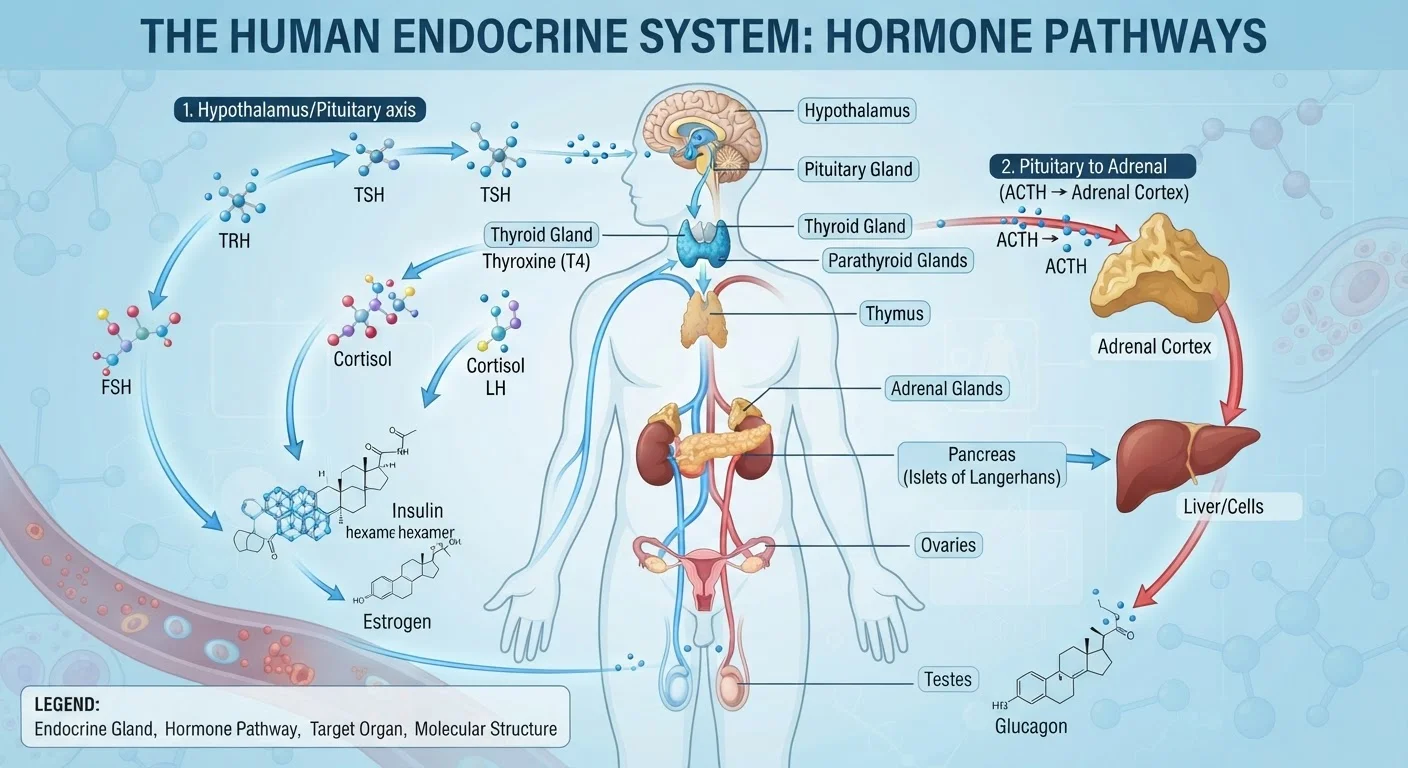
What Testosterone Actually Does in the Body
Testosterone is best known for its role in male sexual development - driving changes during puberty such as voice deepening, facial hair growth, and genital development. But its responsibilities don't stop there. In adult men, testosterone continues to regulate a broad range of physiological processes.
Key functions include:
- Muscle mass and strength: Testosterone promotes protein synthesis, which supports muscle maintenance and growth.
- Bone density: It stimulates bone mineralization, helping to protect against osteoporosis as men age.
- Red blood cell production: Testosterone signals the bone marrow to produce red blood cells, affecting energy and endurance.
- Mood and cognitive function: Many men with low levels report fatigue, irritability, and difficulty concentrating - though the relationship between testosterone and mood is complex and not fully understood.
- Libido and sexual function: Testosterone plays a meaningful role in sex drive, though erectile function also depends on cardiovascular health and other factors.
Testosterone Affects Everyone Differently
Two people can have the same measured testosterone level and experience it very differently. Some individuals feel significant symptoms at levels considered 'normal'; others function well at levels technically classified as low. This is why clinical evaluation - not just a lab number - drives diagnosis and treatment decisions.
Because testosterone affects so many systems, symptoms associated with changes in its levels can appear across a wide range of areas - which is why self-diagnosis is unreliable and professional evaluation is essential.
How Testosterone Levels Change With Age
Testosterone levels in men follow a predictable arc: they rise sharply during puberty, peak in the late teens to mid-20s, and then begin a slow, steady decline from around age 30 onward. Most research estimates this decline at approximately 1-2% per year.
By the time a man reaches his 60s or 70s, his testosterone levels may be substantially lower than they were at their peak - but this is a normal biological progression, not necessarily a medical problem. The term "andropause" is sometimes used to describe this gradual hormonal shift, though it is not a precise clinical concept in the way that menopause is for women.
This is not purely a question of chronological age, either. Poor sleep quality has been linked to lower testosterone levels, as has carrying excess body weight, chronic stress, and certain medical conditions. The relationship between lifestyle and hormones runs in both directions.
~1-2%
Annual testosterone decline after age 30
A commonly cited estimate from endocrinology literature; individual rates vary based on health status and lifestyle.
300-1,000 ng/dL
Typical normal range for total testosterone in men
Reference ranges vary by laboratory; clinical interpretation requires physician evaluation alongside symptoms.
2-3 million
Estimated US men with diagnosed hypogonadism
Figures cited in epidemiological research; true prevalence is considered higher due to underdiagnosis.
When Low Testosterone Becomes a Medical Concern
Not every man with below-average testosterone needs treatment. Hypogonadism - the clinical term for testosterone deficiency - is diagnosed when low blood levels are accompanied by significant symptoms that affect quality of life. Common symptoms include persistent fatigue, reduced libido, loss of muscle mass, increased body fat, mood disturbances, and reduced bone density.
It's worth emphasizing that these symptoms overlap with many other health conditions, including depression, thyroid disorders, sleep apnea, and cardiovascular disease. Blood pressure issues, for example, can also cause fatigue and reduced energy - making proper diagnostic workup essential before attributing symptoms to testosterone alone.
If you suspect low testosterone, a doctor will typically order a morning blood test (when levels are highest) and may repeat it on a separate day before drawing conclusions. The decision to treat is based on the combination of lab values and clinical symptoms - not on numbers alone.
Get Tested in the Morning
Testosterone levels follow a diurnal pattern - they are highest in the early morning and lower later in the day. Most guidelines recommend scheduling blood tests before 10 a.m. for the most accurate baseline reading. Ask your doctor about the best timing before your appointment.
This article is intended for general informational purposes only and does not constitute medical advice. Always consult a qualified healthcare professional for evaluation and guidance specific to your individual health situation.
Lifestyle Factors That Support Healthy Hormone Levels
While testosterone naturally declines with age, research suggests that certain lifestyle habits may help maintain levels within a healthier range. None of these are replacements for medical treatment when it is genuinely needed, but they represent meaningful levers that are well within most people's reach.
Exercise: Resistance training in particular has demonstrated a consistent association with higher testosterone levels. Aerobic and strength-based exercise each offer distinct hormonal and metabolic benefits for men over time.
Sleep: The majority of daily testosterone release occurs during sleep. Chronic sleep deprivation has been shown to measurably reduce levels, even in young, healthy men.
Body composition: Adipose (fat) tissue can convert testosterone into estrogen through a process called aromatization. Excess body fat, particularly around the abdomen, is associated with lower testosterone levels.
Stress management: Chronic stress elevates cortisol, a hormone that can suppress testosterone production over time. Sustained psychological stress is a modifiable risk factor worth taking seriously.
Men with concerns about their hormone health - especially in the context of conditions like prostate health - may also benefit from reviewing what prostate health looks like at different life stages, as testosterone and prostate function are closely interrelated.
Frequently Asked Questions
Normal total testosterone generally falls between 300 and 1,000 nanograms per deciliter (ng/dL), though reference ranges vary slightly by laboratory. What matters is not just the number but how it's interpreted alongside symptoms and overall health. A healthcare provider can help determine what a given result means for an individual.
Testosterone levels typically peak in early adulthood and begin a gradual decline around age 30-35, decreasing at roughly 1-2% per year. This slow decline is considered a normal part of aging for most men. Significant drops that cause symptoms warrant medical evaluation.
Evidence suggests that regular exercise (especially resistance training), quality sleep, maintaining a healthy body weight, and reducing chronic stress can support healthier hormone levels. These are not guaranteed treatments, and they are unlikely to resolve clinically low testosterone on their own. Always discuss significant changes with a healthcare provider.
Low testosterone - clinically called hypogonadism - is diagnosed when blood tests consistently show low levels alongside symptoms such as fatigue, low libido, or mood changes. A single test is often not sufficient; levels fluctuate throughout the day. Diagnosis requires a clinical evaluation, not just a number.
Testosterone replacement therapy (TRT) is an established medical treatment for confirmed hypogonadism, but it carries potential risks and is not appropriate for everyone. Decisions about TRT should be made in close consultation with a qualified physician who can weigh individual benefits and risks.
The content on this site is for informational purposes only and is not a substitute for professional advice. Always consult a qualified professional for guidance specific to your situation.