

Start here
How Cruise Ships Actually Work
Next
Before You Board: Booking and Preparation
Then
Life on Board: What a Typical Day Looks Like
When you're ready
Port Days and Shore Excursions
Finally
Disembarkation and After the Cruise
How Cruise Ships Actually Work
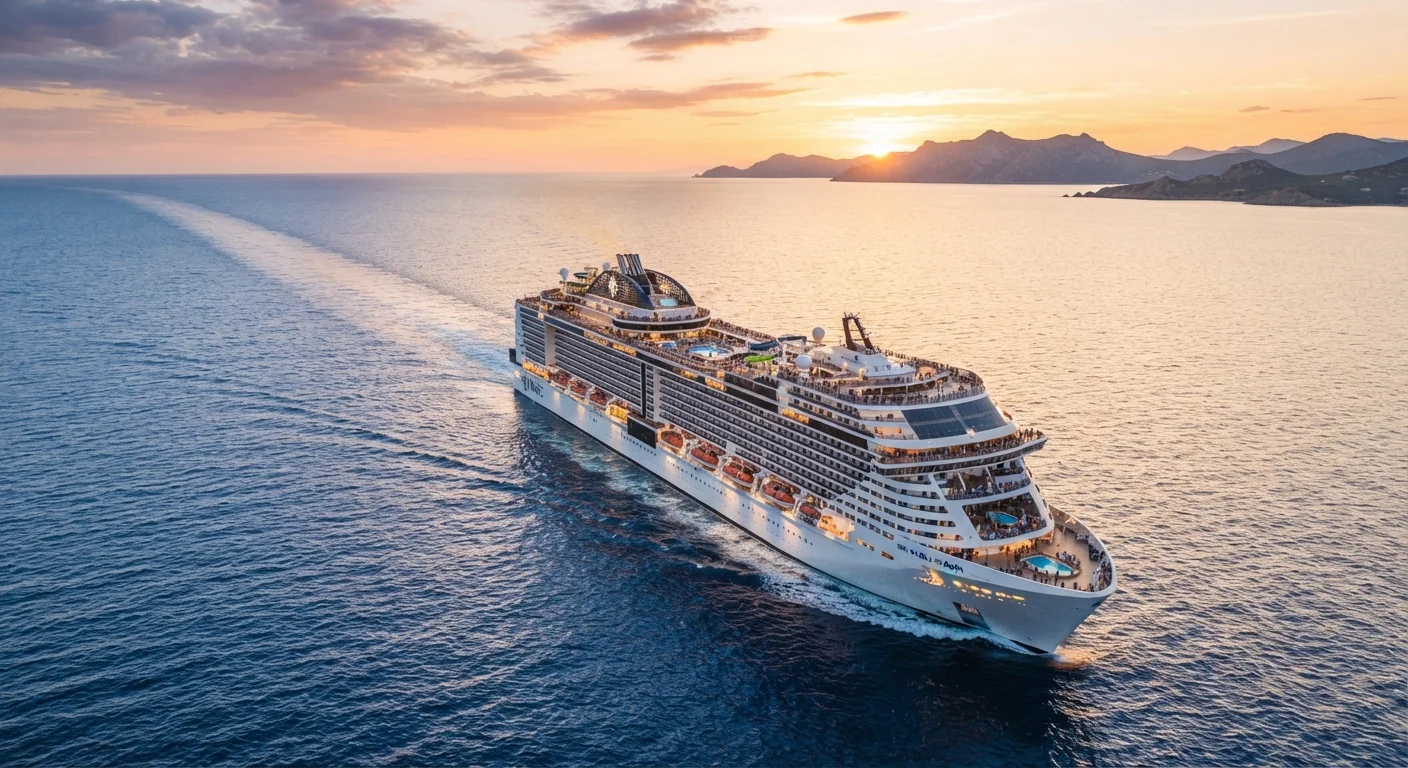
Think of a cruise ship as a floating resort that happens to move between destinations while you sleep. Modern ships range from intimate vessels carrying a few hundred passengers to massive floating cities hosting over 6,000 guests. All of them share the same core structure: staterooms (your cabin), dining venues, entertainment spaces, and the operational crew decks passengers never see.
Cruises are sold as itineraries — a fixed sequence of ports visited over a set number of days, beginning and ending at a designated home port. The fare typically covers your cabin, access to main dining venues, and onboard entertainment. Many extras — specialty dining, beverages, spa services — are charged separately. Understanding the true cost of a cruise before you book can prevent sticker shock at the end of the voyage.
Embarkation
The process of boarding the cruise ship at the start of your voyage, including check-in, security screening, and cabin access.
Debarkation (Disembarkation)
The process of leaving the ship at the end of the voyage, which typically involves customs, immigration, and luggage retrieval.
Stateroom
The passenger cabin on a cruise ship. Staterooms range from inside cabins with no windows to large suites with private balconies.
Itinerary
The planned schedule of a cruise, listing departure and arrival ports, sea days, and the total length of the voyage.
Tender Port
A port where the ship anchors offshore rather than docking, requiring passengers to take small boats (tenders) to reach land.
Gratuities
Service charges added to your shipboard account — typically daily per-person fees — that are distributed among the crew.
Before You Board: Booking and Preparation
Choosing an itinerary is arguably the most exciting part of the process. The region you select shapes everything — weather, ports, cultural experiences, and even ship size. Different cruise regions offer very different experiences, so it's worth thinking about what kind of traveler you are before committing.
Once you've booked, the prep checklist grows quickly. Confirm passport validity (most countries require at least six months beyond your return date). Check visa requirements for every port on your itinerary — requirements vary and are your responsibility to verify with official government and embassy sources. Review the cruise line's documentation requirements well in advance.
Travel insurance deserves serious attention. Standard travel policies don't always cover cruise-specific scenarios like missed ports, shipboard medical care, or evacuation at sea. Learn what cruise-relevant insurance typically covers before deciding what protection you need. For a thorough pre-booking review, use a pre-booking checklist to confirm cabin location, cancellation policies, and port schedules.
Do Your Paperwork Early
Most cruise lines allow — and encourage — online check-in weeks before sailing. Uploading passport details, completing health forms, and selecting a boarding time in advance dramatically reduces embarkation day stress. Aim to complete your online check-in as soon as the window opens, which is usually 90 days before departure.
Life on Board: What a Typical Day Looks Like
Onboard days fall into two types: sea days and port days. Sea days are spent entirely on the ship — perfect for pools, spa time, shows, trivia contests, cooking demonstrations, and simply reading on a deck chair. Port days mean the ship docks (or anchors offshore) and passengers go ashore to explore.
Meals are a centerpiece of ship life. The main dining room serves multi-course dinners on a set schedule or open seating, depending on the line. Buffets offer flexibility throughout the day. Most ships also have specialty restaurants — think steakhouses, sushi bars, or chef's tasting menus — that carry a surcharge.
The ship operates 24 hours. Entertainment ranges from Broadway-style productions and comedy shows to outdoor movie screenings and live music. A daily program (delivered to your cabin or available through the ship's app) outlines every activity, so it's worth scanning it each evening to plan the next day.
Watch Your Onboard Spending
It's easy to lose track of charges when everything is tied to a room card rather than cash. Gratuities, beverage packages, Wi-Fi, and specialty dining can add several hundred dollars per person to the final bill. Check your running account balance through the ship's app or at the guest services desk every couple of days to avoid surprises at checkout.
Port Days and Shore Excursions
When the ship docks, you generally have three options: book a ship-organized shore excursion, arrange independent exploration, or stay on the ship. Organized excursions are convenient and typically guarantee you'll be back before the ship departs, but they cost extra. Independent travel gives you flexibility but requires careful attention to the ship's all-aboard time — missing departure is a real risk and entirely the passenger's responsibility.
Some ports require a tender — a small boat ferrying passengers from the anchored ship to shore — which adds time and depends on weather conditions. Check your itinerary to identify tender ports in advance.
Each destination has its own entry requirements, cultural norms, and safety considerations. Research each port individually and consult current travel advisories from official government sources. Familiarizing yourself with cruise terminology — including terms like tender, port day, and all-aboard — helps the whole experience feel less overwhelming.
Disembarkation and After the Cruise
The final day of a cruise requires some logistical thinking. The night before arrival at the home port, you'll receive luggage tags color-coded by your disembarkation time. Bags left outside your cabin door by a set overnight deadline are collected and placed in the terminal for pickup — but anything you'll need that morning (medications, carry-on items, next-day travel essentials) should stay with you.
Disembarkation usually begins early — often around 7 a.m. — and passengers are called off in groups based on their departure needs. If you have an early flight, request an early disembarkation slot. Build buffer time into post-cruise travel plans; delays at customs and immigration are common, especially on large ships.
After settling your shipboard account and collecting luggage, many travelers find the transition back to land feels surprisingly abrupt. That mild sea-legs sensation — the sensation of still swaying slightly — is temporary and normal. For a complete guide to planning your next step, explore the trip planning hub for help organizing what comes after.
Frequently Asked Questions
Most base fares include your cabin, main dining room meals, and entertainment. What's usually not included: specialty restaurants, alcoholic beverages, shore excursions, spa treatments, and gratuities. See <a href="/travel-exploration/cruises/the-true-cost-of-a-cruise-whats-included-and-what-isnt">what's typically covered</a> for a fuller breakdown.
For most international cruises departing from the US, a valid passport is strongly recommended even when technically not required by law. Closed-loop cruises (those that start and end at the same US port) may allow a birth certificate and government-issued ID, but a passport provides important protection if you need emergency travel. Always verify current entry requirements with official government sources before booking.
A muster drill is a mandatory safety briefing held before or shortly after a ship departs. Passengers learn the location of their assigned lifeboat station and review emergency procedures. Most modern cruise lines now offer digital or staggered muster options rather than one large assembly.
Most ships operate as cashless environments on board. At check-in, you link a credit or debit card to a shipboard account, and all purchases are charged to that account. A final statement is provided at the end of the voyage, and you settle the balance.
Cruise packing has unique considerations: formal nights, limited cabin storage, and practical needs for port days all factor in. For a detailed breakdown, <a href="/travel-exploration/cruises/packing-for-a-cruise-what-experienced-travellers-bring-and-what-they-leave-behind">see what experienced cruisers bring</a> and what they leave behind.
Absolutely — solo cruising is increasingly popular. Some ships offer dedicated solo cabins to avoid the solo supplement (an extra charge for single occupancy of a double cabin). <a href="/travel-exploration/cruises/solo-cruising-how-single-passenger-travel-works-on-modern-ships">Learn how solo cruise travel works</a> before you book.
The content on this site is for informational purposes only and is not a substitute for professional advice. Always consult a qualified professional for guidance specific to your situation.