

Our Verdict
No single cruise region is universally superior — each offers a fundamentally different experience shaped by climate, culture, and landscape. The best choice comes down to what you want most from your time ashore and at sea.
| Best for | Recommended |
|---|---|
| First-time cruisers and beach lovers | Caribbean |
| History, food, and culture enthusiasts | Mediterranean |
| Wildlife and wilderness adventurers | Alaska |
| Travelers seeking cultural and scenic variety in one voyage | Northern Europe / Scandinavia |
Why Region Matters More Than the Ship
When most people start planning a cruise, they focus on the ship — the amenities, the dining, the onboard experience. But seasoned cruisers know that the destination region is what truly defines a voyage. The ship is your floating home; the region shapes everything you do when you step ashore.
Climate, port infrastructure, culture, wildlife, and even the typical length of a sailing all differ dramatically between major regions. Understanding those differences upfront saves you from booking a trip that doesn't match what you actually want. If you're new to cruising altogether, our Cruise Travel 101 guide covers the basics of what life on board looks like before you dive into destination research.
| Caribbean | Mediterranean | Alaska | Northern Europe | |
|---|---|---|---|---|
| Typical sailing length | 3–10 nights | 7–14 nights | 7 nights | 10–14 nights |
| Primary appeal | Beaches & warm weather | History & culture | Wildlife & glaciers | Scenery & variety |
| Best season | Year-round (avoid hurricane season) | Spring & fall | May–September | June–August |
| Typical weather | Hot & humid | Warm & sunny | Cool & variable | Cool, long daylight |
| Port day pace | Relaxed, beach-focused | Busy, city-center transfers | Active, nature-focused | Varied, city & nature mix |
| Best suited for | First-timers, families | Culture lovers | Nature & adventure seekers | Curious, experienced travelers |
The Caribbean: Warm, Accessible, and Beach-Forward
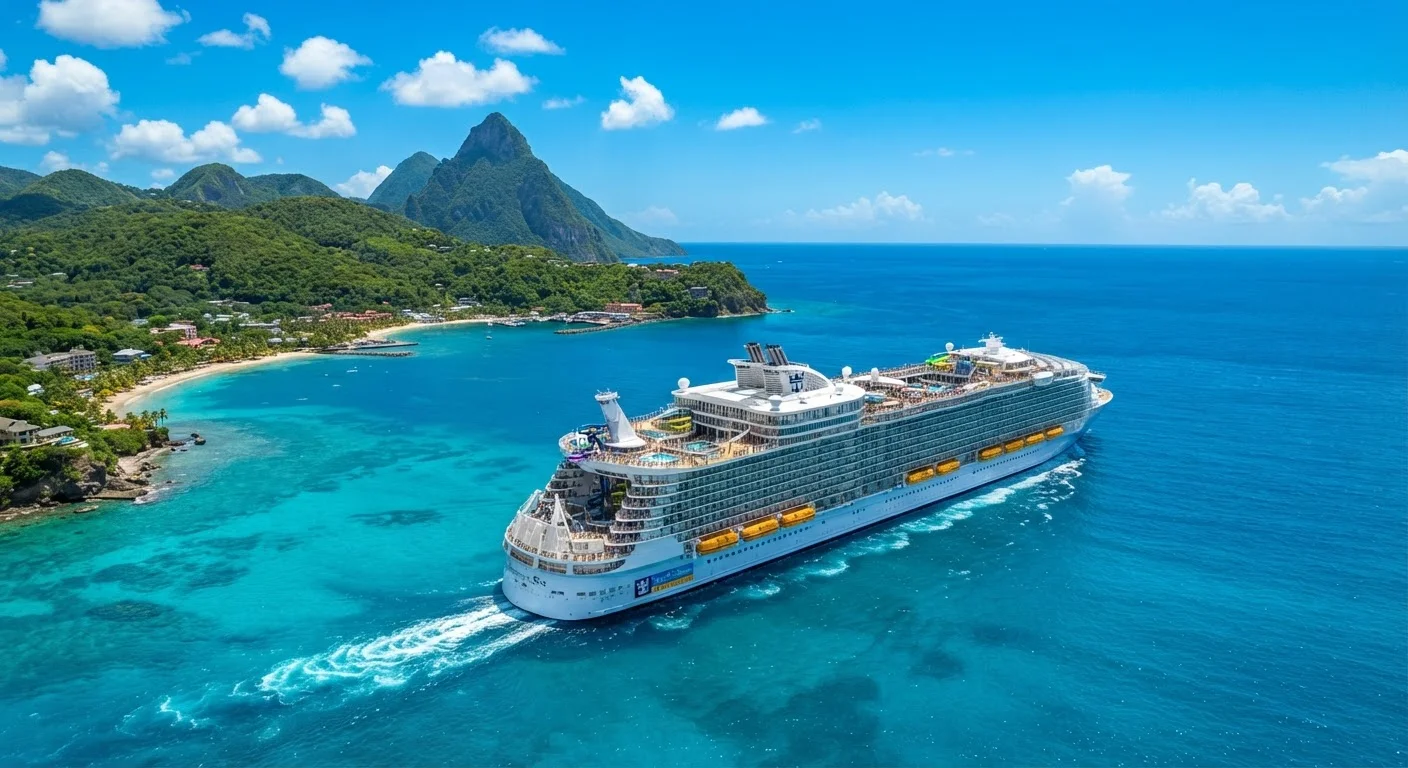
The Caribbean remains the most popular cruise region for Americans, and it's easy to see why. Ports are close together, sailings are short (typically 3–10 nights), and the weather is reliably warm for most of the year. Eastern, Western, and Southern Caribbean itineraries each call at different island clusters, so the sub-region you choose changes the ports significantly.
Beach access is the headline attraction — white sand, turquoise water, and snorkeling opportunities are abundant. Port days tend to be relaxed and well-developed for tourism, making independent exploration straightforward. That said, popular ports can feel crowded when multiple ships are docked simultaneously. Thinking about how you'll spend your time ashore? Our guide on shore excursions vs independent port exploration can help you decide your approach.
Check Hurricane Season Before Booking
The Atlantic hurricane season typically runs from June through November, with peak activity in August and September. While the Caribbean remains a popular destination year-round, travelers booking during these months should review their cruise line's weather policies and consider travel insurance that covers weather-related disruptions. Always check official meteorological and government advisories close to your departure date.
The Mediterranean: Culture, History, and Logistical Complexity
A Mediterranean cruise trades beach simplicity for cultural richness. Itineraries typically weave through southern Europe and North Africa, calling at cities that have been inhabited for millennia — ancient ruins, Renaissance art, and world-class cuisine all within a single voyage. Sailings commonly run 7–14 nights.
The trade-off is logistical depth. Major ports like Barcelona, Rome (Civitavecchia), and Athens (Piraeus) sit far from city centers, so organized transfers or transit planning eat into port time. Some ports use tender boats — small vessels that ferry passengers from ship to shore — which adds time and occasionally weather-dependent uncertainty. Brush up on terms like tender port and embarkation with our plain-language cruise terminology guide before you sail.
Alaska: Wilderness, Wildlife, and Glacial Scale
Alaska is a fundamentally different kind of cruise experience. The draw isn't a beach or a piazza — it's raw, staggering natural scenery. Glaciers calving into the sea, humpback whales breaching, bald eagles overhead, and dense rainforest lining the Inside Passage define what passengers remember most.
Sailings typically run 7 nights and operate within a narrow seasonal window (roughly May through September) due to weather and daylight. Shore excursions lean toward wildlife tours, helicopter glacier walks, kayaking, and salmon fishing rather than city sightseeing. Ports like Juneau, Ketchikan, and Skagway are compact and walkable, but they fill up fast when multiple ships are in port on the same day. Dress in layers — even midsummer days can be cool and wet.
~600
Miles of Alaska Inside Passage coastline
The Inside Passage stretches from Puget Sound in Washington State to the Gulf of Alaska, offering extraordinary wildlife-viewing opportunities along its length.
3 months
Alaska cruise season window
Most Alaska sailings operate within a roughly 90-day window from late May to early September, making timing critical when planning this itinerary.
Northern Europe and Beyond: Variety for the Curious Traveler
Northern European itineraries — covering Scandinavia, the British Isles, and the Baltic — appeal to travelers who want dramatic variety packed into one sailing. A single voyage might visit a Norwegian fjord, a medieval Danish city, and a storied Scottish port. If Scotland's landscapes intrigue you, our look at Scotland's Highlands geography and culture gives helpful destination context.
Sailings tend to be longer (10–14 nights) and are concentrated in summer months when daylight is near-endless in northern latitudes. Temperatures are cooler and less predictable than tropical regions, so packing thoughtfully matters. Our cruise packing guide outlines what actually earns a place in the bag for variable-weather sailings.
Whatever region appeals to you, always verify entry requirements, visa rules, and any health documentation well before departure — official government sources and your cruise line are the right places to confirm those details. Our pre-booking checklist walks through the key questions to ask before you commit.
The content on this site is for informational purposes only and is not a substitute for professional advice. Always consult a qualified professional for guidance specific to your situation.