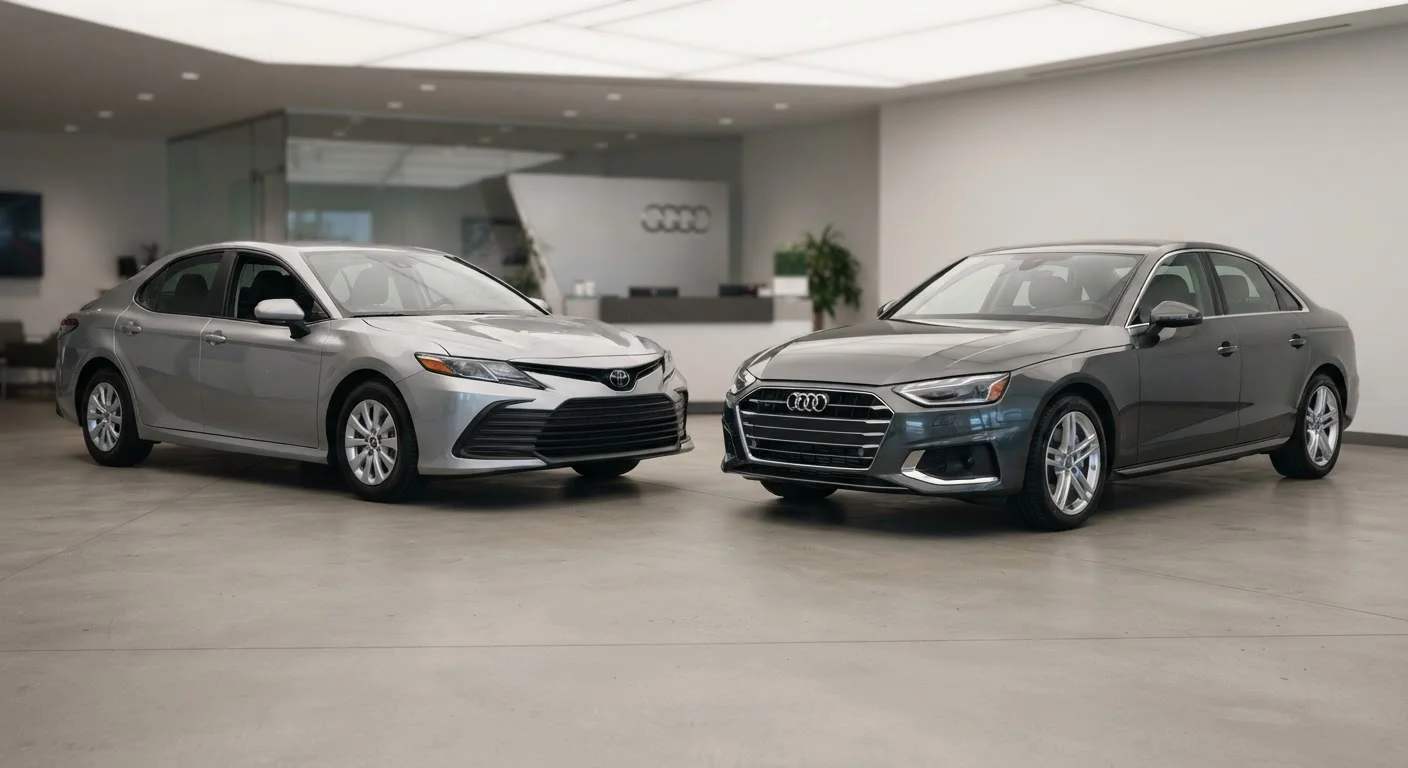
Why Traditional Automakers Are Rethinking Their Lineups
For most of the 20th century, a car brand's lineup was defined by engine displacement, body style, and trim level. Today, a growing share of the industry's strategic decisions center on a single question: electric or not?
The shift is being driven by a combination of forces. Emissions regulations in key markets - including parts of Europe, California, and elsewhere - are tightening, creating real deadlines for automakers to reduce their fleet-average emissions. At the same time, consumer interest in EVs has grown steadily, even if adoption rates vary widely by region and income level.
Traditional automakers - companies that have spent decades building reputations around specific engines, transmissions, and fuel types - are now undertaking some of the most significant product portfolio changes in their histories. These changes affect which models stay, which are retired, and how entirely new vehicles are named and positioned.
Hybrid Models Occupy a Middle Ground
Not every alternative to a pure gasoline vehicle is a fully electric car. Plug-in hybrids (PHEVs) and standard hybrids (HEVs) occupy a middle tier in many brand lineups. Some automakers are using these as transitional products while their full EV ranges mature, while others are phasing them out in favor of battery-electric-only strategies.
Common Restructuring Strategies Across the Industry
There is no single template for how automakers are handling this transition. Several distinct strategies have emerged:
- EV versions alongside existing models: Some brands have added electric variants to existing nameplates, keeping the familiar name while swapping the powertrain. This approach leans on brand recognition but can create confusion when two vehicles with the same name have fundamentally different driving experiences. See how models can change dramatically across generations for context on how much a nameplate can evolve.
- Dedicated EV sub-brands: Others have created new sub-brands specifically for electric vehicles, allowing a clean break from legacy expectations. Understanding the relationship between parent companies and their sub-brands helps explain why this structure makes corporate sense.
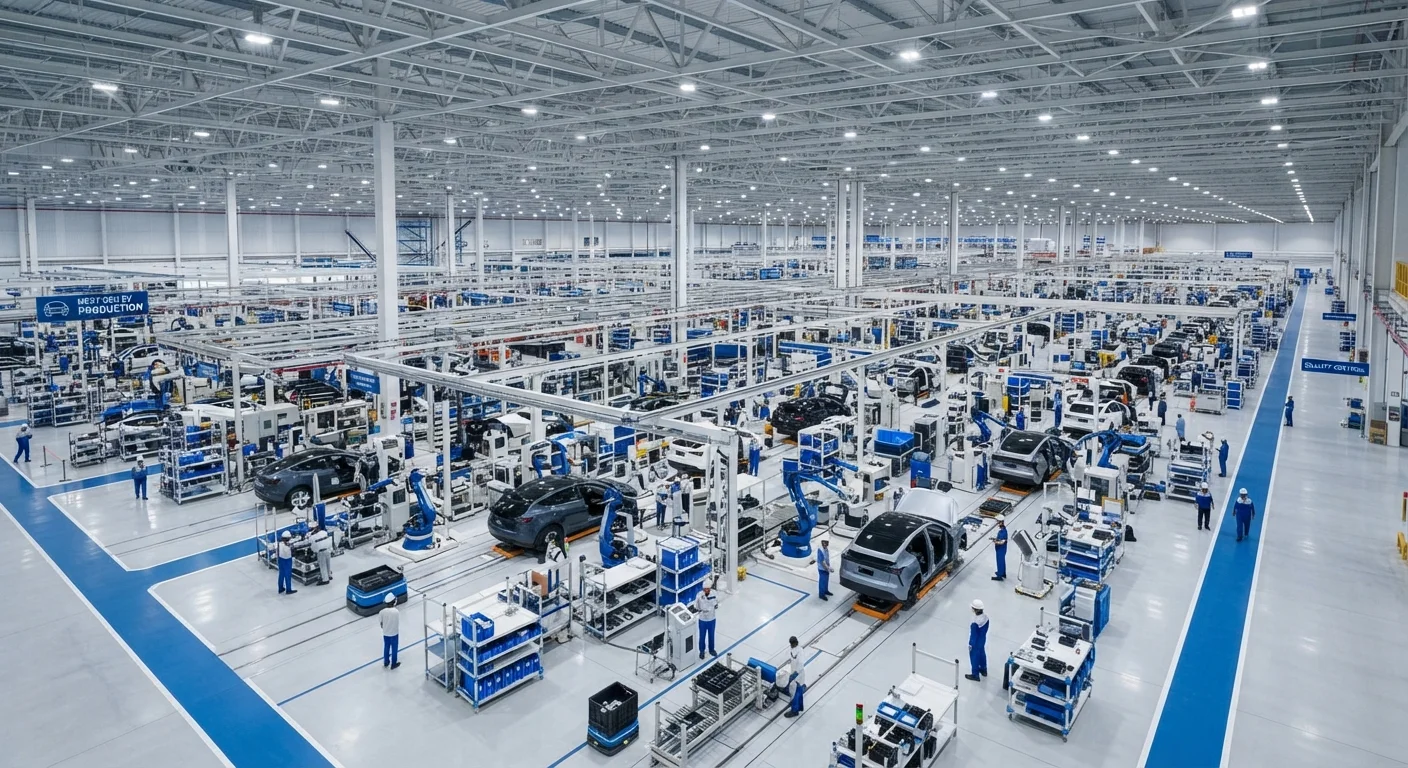
- Purpose-built EV platforms: Rather than adapting existing vehicle architectures, many manufacturers are investing in ground-up EV platforms shared across multiple models. Platform sharing plays a key role here - a single EV architecture can underpin everything from a compact crossover to a large SUV.
Check Whether the EV Uses a Dedicated Platform
When researching an electric model, look up whether it is built on a purpose-built EV architecture or adapted from an existing gas-car platform. Purpose-built platforms generally offer better battery integration and more usable interior space. This distinction is often noted in manufacturer technical specifications or independent automotive reviews.
What This Means for the Model Names You See
One visible result of lineup restructuring is the proliferation of new naming conventions. Alphanumeric badging, electrification suffixes, and entirely new identifiers are replacing names that consumers may have recognized for decades.
Some brands have moved to letter-and-number systems where the number signals battery size or range tier. Others add prefixes like "e-" or suffixes like "-E" or "-EV" to existing names. A few have abandoned legacy names entirely in favor of new identities designed to signal a technology-forward position.
Understanding how automakers name their models can help consumers decode what these new labels actually mean - and whether they signal a genuinely new vehicle or a renamed existing one.
What Consumers Should Watch For
For everyday car buyers, lineup restructuring has a few practical implications worth understanding before visiting a dealership or comparing models online.
First, the pace of change means that model year updates may carry more significance than in previous years. Annual model year changes can now include powertrain transitions, not just feature updates.
Second, not all vehicles that carry an EV badge are built on dedicated electric platforms - some are converted from existing architectures, which can affect range, interior layout, and charging capability. It's worth researching the platform behind any EV you're considering.
Third, as brands retire certain gas models or consolidate nameplates, the used-car market will reflect those decisions over time. A model that is discontinued in favor of an electric replacement may become harder to find parts for in the long run.
For broader context on the purchasing decision, the buying a car guide covers how to evaluate vehicles across categories - including the growing EV segment.
~40%
Share of new car sales that were EVs in Norway
Norway consistently leads global EV adoption rates; its market illustrates how far a lineup transition can go when policy and infrastructure align, according to the International Energy Agency.
Billions
Dollars pledged by major automakers for EV investment
Multiple established automakers have publicly committed multi-billion dollar investment plans toward EV development and manufacturing retooling over the coming decade.
This article is for general informational purposes only. Vehicle availability, model plans, and regulatory timelines vary by region and are subject to change. Verify current model offerings directly with manufacturers or authorized dealers.
Frequently Asked Questions
Not entirely - at least not immediately. Most established automakers are expanding their EV offerings while continuing to sell gasoline and hybrid models. The pace of transition varies significantly by brand, region, and regulatory environment.
A dedicated EV platform is a vehicle architecture built from the ground up for electric powertrains, rather than retrofitting a gas-car chassis. It typically allows for better battery packaging, more interior space, and more optimized performance. Vehicles built on purpose-built EV platforms generally offer a more refined electric driving experience.
Some automakers believe a separate identity helps distinguish their electric offerings and attract buyers who want a fresh, tech-forward experience. Sub-brands can also allow different pricing strategies, dealership models, or software-focused features without disrupting existing brand expectations.
Sometimes. Some brands apply 'e' prefixes, number systems, or entirely new names to their EVs, while others retain familiar nameplates to build on existing recognition. How automakers name their models is evolving alongside the technology itself.
As brands discontinue certain gas models or transition nameplates to electric, used-car shoppers may find some models have been replaced or significantly redesigned. A model bearing the same name may feel very different across different generations.
The content on this site is for informational purposes only and is not a substitute for professional advice. Always consult a qualified professional for guidance specific to your situation.