Three Broad Naming Approaches
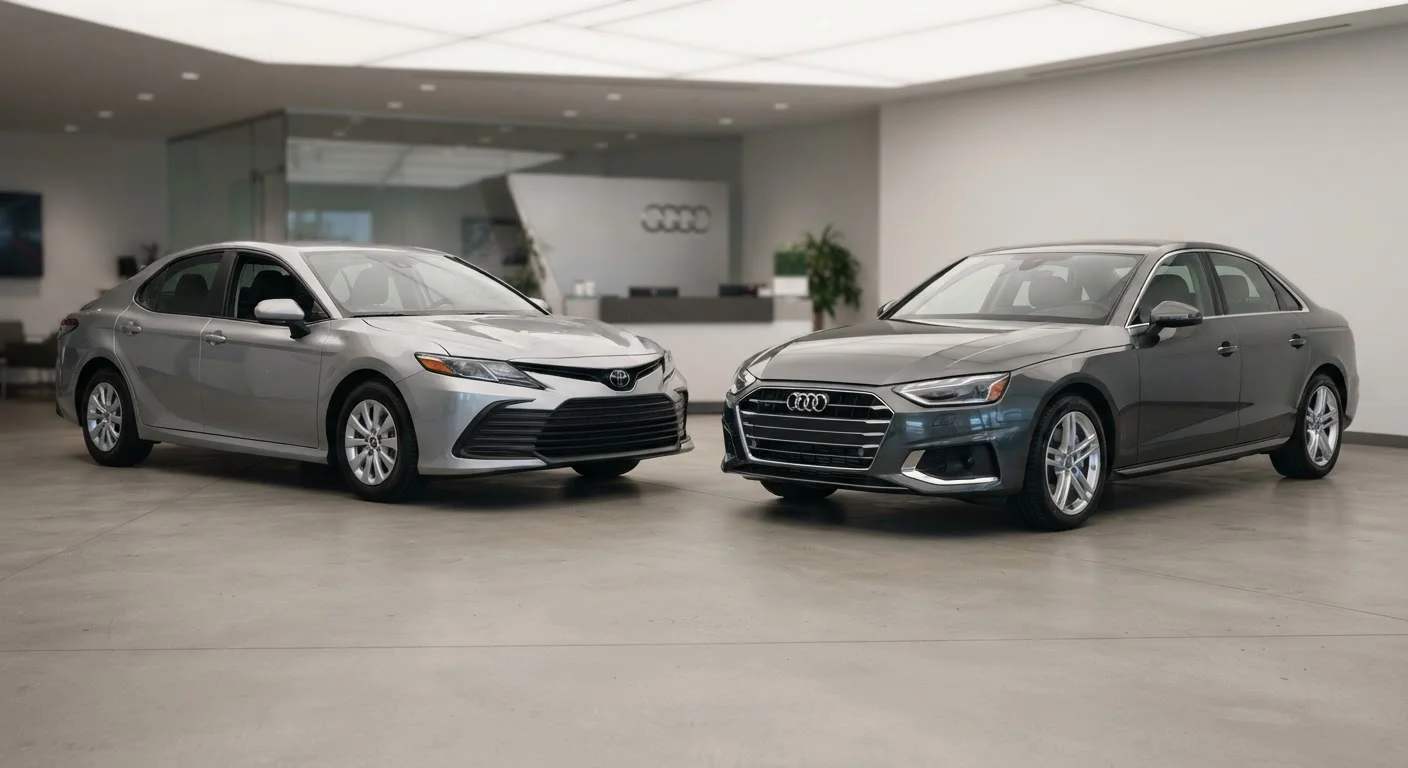
Walk through any dealership lot and you'll notice that car names fall into recognizable patterns. Most automakers use one of three broad approaches: word-based names, alphanumeric codes, or a hybrid of both. Each approach reflects different priorities - emotional marketing, technical precision, or scalability across a large lineup.
Word-based names dominate among mainstream American, Japanese, and Korean brands. These names are chosen to evoke a feeling, a place, or an aspiration. Alphanumeric systems are most common among European luxury brands and some Japanese manufacturers, where a code like a letter-number combination communicates vehicle class and sometimes powertrain information simultaneously. Hybrid systems mix a brand or sub-brand word with a number suffix to hint at size or tier.
Understanding which system a brand uses makes it much easier to navigate its lineup - and to understand what a model name is actually communicating. Asking the right questions when researching a model is easier once you know how its name is structured.
3
Major naming system types used by automakers globally
Most vehicle lineups worldwide fall into word-based, alphanumeric, or hybrid naming categories, according to automotive industry analysis.
100+
Active model nameplates in a large automaker's global portfolio
Major automotive groups managing multiple brands and global markets routinely maintain more than a hundred distinct model names at any given time.
~60 years
Lifespan of some of the longest-running model nameplates
Several well-known truck and sedan nameplates in the US market have remained in continuous production for roughly six decades, outlasting multiple platform generations.
Word-Based Names: Evoking Places, Nature, and Aspiration
Many mainstream automakers have long favored names drawn from geography, natural phenomena, and evocative imagery. These names are designed to create an emotional response rather than to describe the vehicle technically.
Geographic names - often referencing American landscapes, trails, or cities - are a staple of domestic truck and SUV lineups. The implication is ruggedness, heritage, or a sense of open terrain. Nature-themed names (animals, weather events, celestial bodies) aim for power, speed, or freedom. Aspirational names borrow from concepts like adventure or prestige to position a vehicle above its segment.
The downside of word-based systems is scalability. A brand can run out of compelling, trademark-safe names as its lineup grows. Some manufacturers have cycled through hundreds of names over their history, retiring some and reviving others. A model name can persist for decades even as the vehicle changes completely, which is why name recognition is treated as a valuable asset.
Alphanumeric Systems: Codes That Carry Information
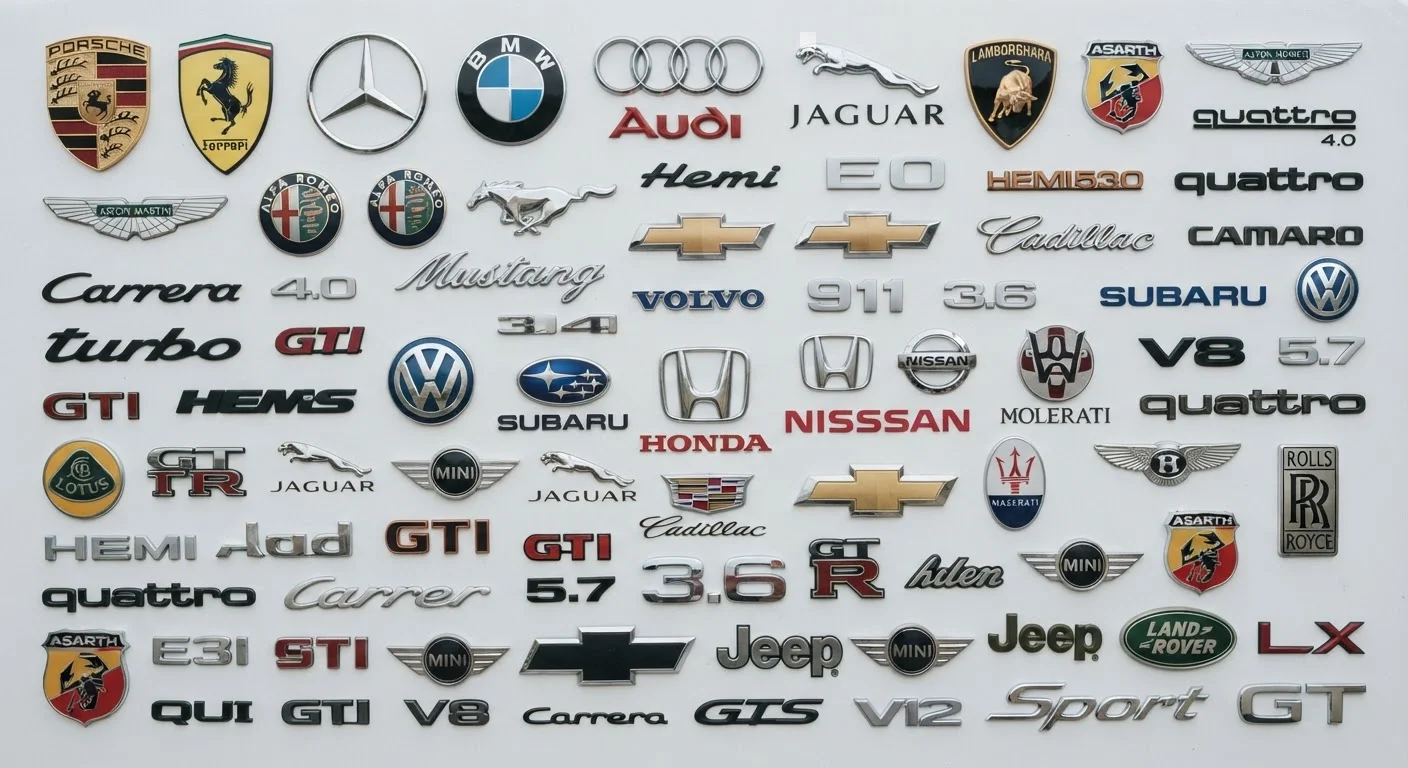
Several automakers - particularly European luxury brands - use alphanumeric naming to build a logical, legible hierarchy across their lineups. A typical alphanumeric name pairs a letter (indicating body style or vehicle class) with a number (historically tied to engine displacement, more recently to approximate power output or simply to size ranking).
For example, a compact sedan might carry a lower number than a full-size one within the same letter series. Performance variants often append additional letters to signal a sport or high-output trim. This system allows a brand to expand its lineup methodically without having to invent new words - a new model slot simply gets the next logical designation.
One important caveat: as engines have downsized and electrified, the numbers in many alphanumeric names no longer correspond literally to displacement. They have become positional markers rather than precise technical specs. Electric vehicle lineups are prompting many brands to rethink their naming conventions entirely.
“A car's name is one of the first signals a brand sends to a potential buyer. It frames the conversation before anyone looks at a spec sheet.”
— Cars & Driving Editorial Team, Automotive consumer guidance publication
What Naming Tells You - and What It Doesn't
A car's name can help orient you within a brand's lineup, but it shouldn't substitute for researching the actual vehicle. Trim level - not the model name - determines most of what you'll actually experience inside and under the hood. Understanding trim levels is just as important as knowing the model name when comparing options.
Similarly, the same name can mean very different things across generations. A nameplate introduced decades ago may now refer to a vehicle with a completely different platform, powertrain, and body style. Model year changes and generational redesigns are distinct events worth understanding separately.
For a broader picture of how brands structure themselves - including how sub-brands like luxury divisions fit within larger corporate groups - see how parent automakers and their sub-brands are organized. A name on a badge is ultimately the visible edge of a much larger product strategy.
Use the Naming System as a Starting Point
When exploring an unfamiliar brand, look up how its naming convention works before diving into individual models. Knowing whether numbers indicate size rank, engine output, or are purely positional will help you compare models within that lineup far more efficiently - and avoid misreading what a badge actually signals.
Frequently Asked Questions
Alphanumeric names are common among German luxury brands and some Asian manufacturers because they allow the automaker to encode information about the vehicle - such as class size or engine output - directly into the badge. This also creates a scalable system that works across many models without running out of memorable words.
Often, yes. Some names reference geography, nature, or aspirational concepts to evoke a mood or identity. Alphanumeric names frequently encode technical specs, like cylinder count or approximate horsepower. However, as engineering changes, these encoded meanings can become less literal over time.
Brand recognition is valuable. A nameplate with decades of familiarity carries equity that a new name would have to rebuild from scratch. Automakers often retain a model name through multiple complete redesigns to preserve that recognition, even when the vehicle changes substantially.
Names can be retired, held in reserve, or revived years later on an entirely different vehicle. Some automakers bring back classic nameplates on new models - sometimes electric - to leverage nostalgia while signaling a fresh direction.
With alphanumeric systems, often yes - a higher number or letter typically indicates a larger or more premium vehicle within that brand's lineup. Word-based names give fewer obvious clues, so it helps to research the specific brand's lineup structure when comparing models.
Automakers adapt names for regional markets due to language connotations, trademark conflicts, or local marketing strategy. A name that sounds appealing or neutral in one language may carry unintended meanings in another, prompting a regional rename.
The content on this site is for informational purposes only and is not a substitute for professional advice. Always consult a qualified professional for guidance specific to your situation.