How the Corporate Structure Works
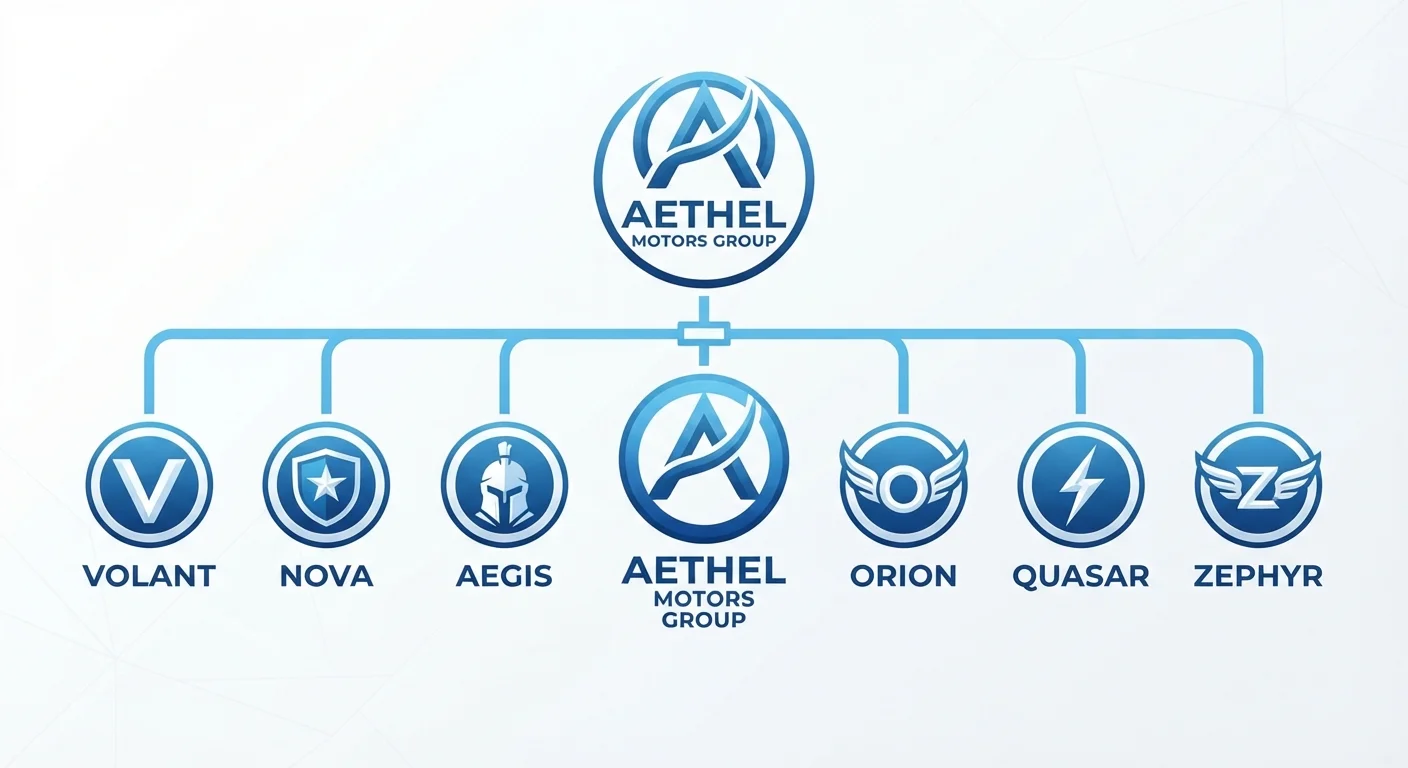
The global auto industry is dominated by a relatively small number of large corporate groups, each managing a portfolio of distinct brands. Think of the parent automaker as a holding company: it controls capital allocation, sets research and development priorities, and owns shared manufacturing facilities. The individual brands - the marques consumers recognize at dealerships and on the road - operate with a degree of independence focused on product planning, marketing, and customer experience.
This structure emerged over more than a century of mergers, acquisitions, and strategic expansions. Early automakers often grew by absorbing competitors or launching new brands to reach different buyers. Today, a single corporate group may include brands spanning budget, mid-market, performance, and ultra-luxury segments, all under one financial roof while presenting entirely separate identities to the public.
Corporate Structures Change Over Time
Automotive brand portfolios are not static. Mergers, divestitures, joint ventures, and brand discontinuations have reshaped the industry repeatedly over the decades. A brand's parent company today may be different from what it was ten or twenty years ago, and further changes are always possible. Always verify current ownership with up-to-date industry sources.
Why Automakers Build Brand Portfolios
The primary motivation for managing multiple brands is market segmentation. No single brand can convincingly appeal to a first-time buyer looking for an affordable commuter car and simultaneously to a buyer seeking a flagship luxury sedan - the brand perceptions are simply incompatible. By maintaining distinct marques, a corporate group can address each segment with a purpose-built identity.
There are also significant operational advantages. Parent companies can spread the cost of developing new technologies - electric drivetrains, advanced safety systems, shared vehicle platforms - across several brands at once, making expensive innovation more financially viable. Platform sharing is one of the clearest examples of this: an underlying vehicle architecture developed by the parent may underpin models sold under two or three different brand names.
~20
Brands in some major automotive groups
Several of the world's largest automotive conglomerates each manage portfolios of roughly a dozen to more than twenty distinct marques across global markets.
Top 6
Corporate groups account for most global vehicle sales
Industry analysts consistently find that the six largest automotive groups account for the majority of passenger vehicles sold worldwide each year.
100+
Years of automotive consolidation
The modern multi-brand corporate structure has evolved over more than a century of mergers, acquisitions, and brand launches dating back to the early twentieth century.
Brand Identity vs. Corporate Reality
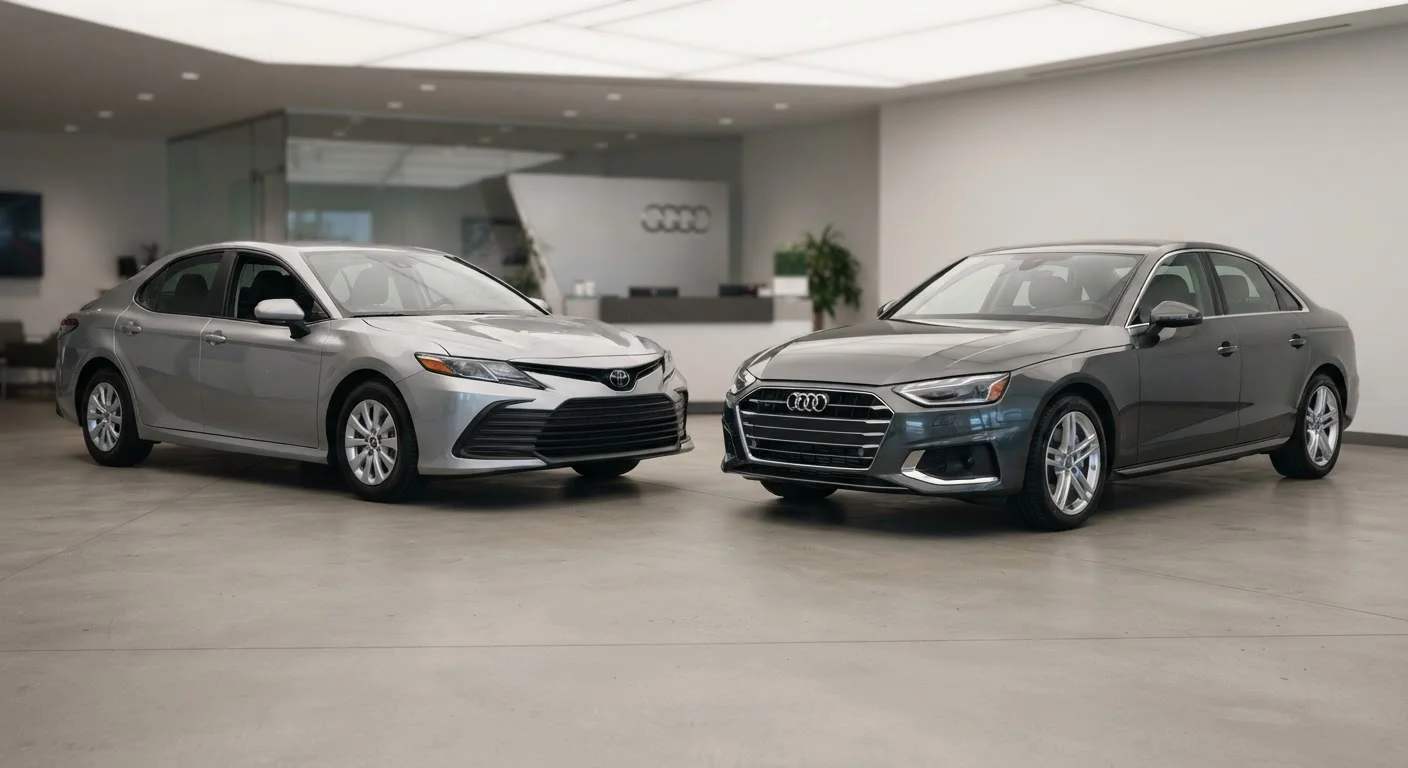
For consumers, the most tangible aspect of this structure is that brand identity remains carefully protected even when engineering overlaps. Automakers invest heavily in ensuring that sibling brands feel meaningfully different - through distinct exterior styling, interior materials, ride tuning, and marketing positioning. A buyer choosing between two vehicles from the same corporate stable may not realize they share a common platform, and that is largely by design.
Luxury sub-brands represent a particularly important case. The premium perception of a luxury marque depends on it feeling exclusive and separate from its corporate siblings. What actually separates a luxury brand from a mainstream one goes beyond the badge - it involves engineering standards, materials, and dealer experience. Parent companies manage this carefully to protect the premium brand's value.
Research the Parent Company Before You Buy
When evaluating a vehicle, it's worth knowing which corporate group owns the brand. This can help you understand parts availability, shared platform relationships, and the broader service network. Publicly available sources such as automaker investor pages and reputable automotive publications can clarify current ownership structures, which do change over time.
How Corporate Ownership Can Affect Your Purchase
Understanding parent-brand relationships can be useful when you are researching a vehicle. Knowing that two models share a platform or powertrain can inform questions to ask at the dealership and help contextualize reliability data. It can also explain why certain features appear across brands at roughly the same time - the parent company rolled out the technology across its portfolio simultaneously.
Corporate ownership also affects the service and parts ecosystem. Brands within the same group often share dealership infrastructure in some markets, and replacement parts may be interchangeable in ways not immediately obvious to the owner. If you are curious about how individual models get their names within this structure, our piece on how automakers name their models explores the logic behind naming conventions across brands. For context on where brands originate, see our overview of domestic vs. import car brands.
Frequently Asked Questions
Usually not. When you purchase a vehicle, the badge on the car reflects the sub-brand, not the parent corporation. For example, a car badged as one brand won't display its parent group's corporate name anywhere on the vehicle.
Not necessarily. While sibling brands sometimes share underlying platforms or components, they are typically tuned, styled, and equipped differently to appeal to separate audiences. The shared engineering may be invisible to most drivers. See our <a href="/cars-driving/brands-and-models/car-platform-sharing-why-different-models-are-often-built-on-the-same-foundation">overview of platform sharing</a> for more detail.
Owning multiple brands lets a corporate group serve a wider range of buyers and price points without a single brand having to stretch too far. It also spreads business risk and allows economies of scale in manufacturing and R&D.
Yes. Parent companies periodically restructure their portfolios, selling underperforming brands, shutting them down, or spinning them off as independent entities. This has happened multiple times throughout automotive history.
Sometimes, though the extent varies by corporate group. Even when shared platforms exist, luxury sub-brands typically receive more refined engineering, premium materials, and distinct styling. Our article on <a href="/cars-driving/brands-and-models/luxury-car-brands-vs-mainstream-brands-what-the-differences-really-are">luxury vs. mainstream brands</a> explains these distinctions further.
Corporate ownership information is publicly available through automaker investor relations pages, industry publications, and regulatory filings. Brand portfolios do change over time, so verifying with an up-to-date source is always worthwhile.
The content on this site is for informational purposes only and is not a substitute for professional advice. Always consult a qualified professional for guidance specific to your situation.