

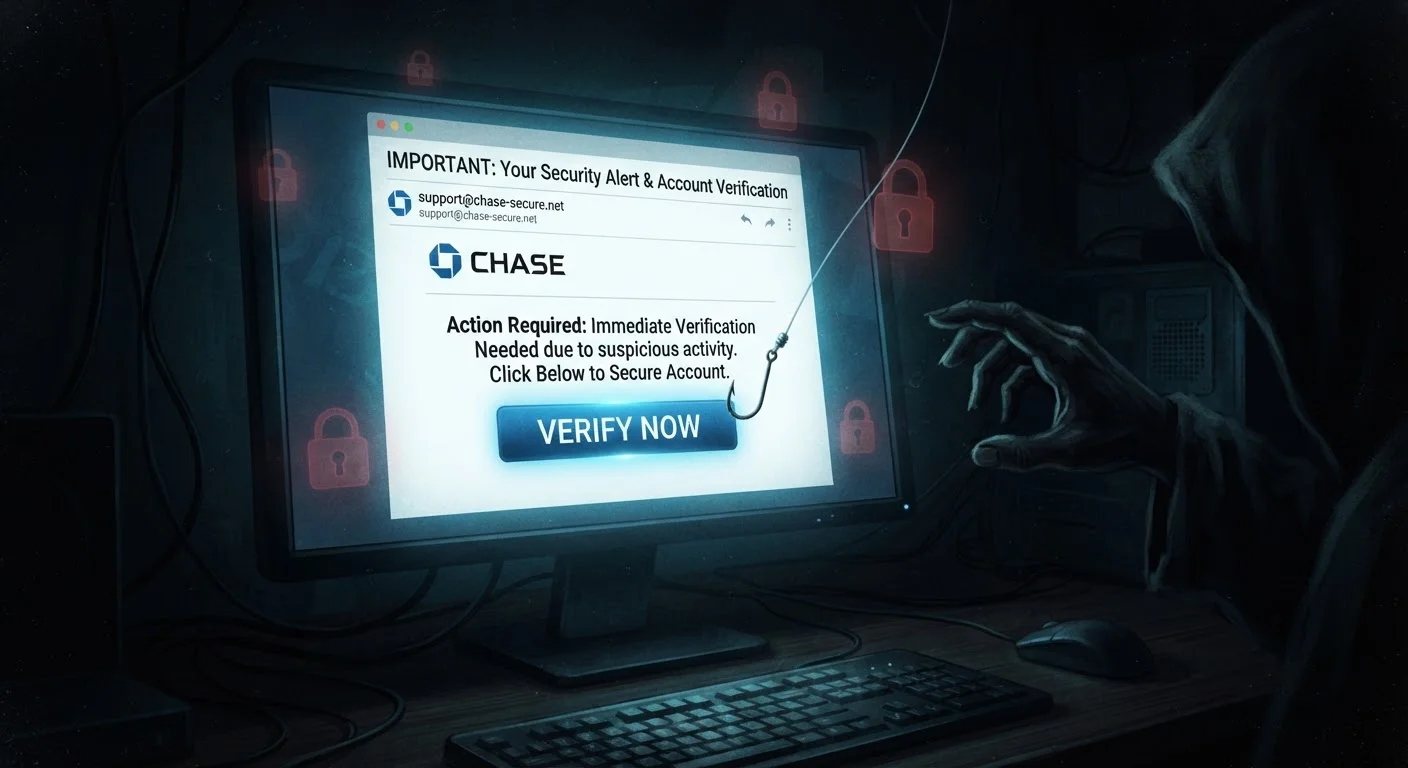
It's Not About Being Gullible
When someone falls for a scam, the first instinct - from others and often from themselves - is to ask how they could have been so naive. That framing misses the point entirely. Online scams are engineered by professionals who study human psychology, test their scripts, and refine their tactics based on what works. They're not random - they're targeted, practised, and built to defeat your better judgment.
The Federal Trade Commission reported that Americans lost over $10 billion to fraud in a single recent year, a figure that spans every demographic and income level. Scam victims include doctors, engineers, and cybersecurity professionals. Falling for a scam is not an intelligence failure - it's a human one, and understanding that distinction is the first step toward real protection.
$10B+
Lost to fraud by Americans in a single year
According to Federal Trade Commission data, fraud losses exceeded $10 billion - the highest figure the agency had recorded.
96%
Of phishing attacks arrive via email
Cybersecurity research consistently identifies email as the dominant delivery channel for phishing and social engineering attempts.
3 in 10
Adults who report being targeted by a scam
Surveys by consumer protection organisations suggest roughly 30% of US adults report being targeted by a fraudulent message or call in any given year.
The Psychology Behind the Hook
Scammers rely on a small set of psychological triggers that consistently override careful thinking. Knowing what they are makes them much easier to notice in real time.
- Urgency and fear: "Your account will be suspended in 24 hours." Messages designed to create panic short-circuit your ability to pause and verify. When you feel threatened, you act fast - which is exactly what the scammer needs.
- Authority: Impersonating the IRS, your bank, Medicare, or a well-known tech company adds instant credibility. Most people instinctively comply with perceived authority figures, especially when combined with fear.
- Too-good-to-be-true offers: Excitement is just as powerful as fear. A prize notification, unexpected refund, or lucrative job offer creates positive urgency - you don't want to miss out.
- Reciprocity: Scammers sometimes lead with a small favour or gift to create a sense of obligation, making it harder to say no to the follow-up request.
These aren't obscure manipulation techniques - they're the same principles behind everyday persuasion. Scammers simply weaponise them. Understanding the most common scam formats gives you a stronger foundation for recognising these triggers in the wild.
Pause Before You React
The single most effective habit against scams is a deliberate pause. If a message triggers a strong emotional reaction - alarm, excitement, relief - wait at least two minutes before taking any action. Scammers depend on speed; slowing down often reveals the deception on its own.
Why Modern Scams Are Harder to Spot
Early internet scams were easy to dismiss - broken English, obvious errors, implausible scenarios involving distant royalty. Today's scams look and sound different. Personalisation is now standard. A scammer may address you by name, reference your bank, mention a recent purchase, or appear to know your employer. This information often comes from data breaches or publicly available social media profiles.
AI-generated text has also raised the production quality of fraudulent messages. Gone are the spelling mistakes that once served as red flags. A fake message from your bank or a parcel delivery company can now be visually and grammatically indistinguishable from the real thing.
The most reliable defence isn't visual inspection - it's behaviour. If a message asks you to click a link, call a number, or take action under time pressure, treat it as suspicious regardless of how it looks. Go directly to the company's official website or call a number you find independently, never one provided in the message itself.
Personalised Scams Are on the Rise
Scammers increasingly use information from data breaches and public social media profiles to make their messages feel familiar and credible. If a message includes your real name, employer, or other accurate details, don't take that as proof of legitimacy. Personalisation is now a standard scammer tool, not a sign of authenticity.
Building a Habit of Healthy Scepticism
Awareness alone isn't enough - it needs to become a reflex. The most practical thing you can do is introduce a deliberate pause before responding to any unexpected digital message. That brief moment of friction is often enough to break the scammer's spell.
A few habits that genuinely help:
- Verify unexpected requests through a separate, trusted channel before acting.
- Be sceptical of messages that create strong emotional reactions - that feeling is a signal to slow down, not speed up.
- Check email sender addresses carefully, not just display names. A closer look at suspicious email signals walks through exactly what to examine.
- Review what your social media profiles reveal publicly - scammers use this information to personalise attacks.
These habits don't require technical skill. They require attention. For a broader starting point, this guide to online safety basics covers the foundational steps that make a real difference. And if you're worried about the assumptions quietly making your accounts vulnerable, this breakdown of common account security missteps is worth a read.
Frequently Asked Questions
Scams are designed to bypass critical thinking by triggering strong emotions like fear or excitement. When a message creates urgency, your brain shifts into reaction mode rather than analysis mode. Even careful, educated people can be caught off guard when a scam hits at the right moment.
Modern phishing emails often copy exact logos, email formatting, and language from real companies. Scammers research their targets and may include your name, recent purchase history, or other personal details. <a href="/everyday-tech/online-safety/spotting-a-fake-email-before-you-click-anything">Learning to spot the subtle tells</a> - like mismatched sender addresses - is more reliable than judging by appearance alone.
Research suggests older adults are disproportionately targeted, but vulnerability isn't purely age-related. Scammers target anyone who may be less familiar with digital communication norms. Isolation, trusting communication styles, and less exposure to scam formats all play a role.
Act quickly: contact your bank or card provider if money or payment details were involved, change any affected passwords, and report the incident to the FTC at reportfraud.ftc.gov. Don't be embarrassed - reporting helps authorities identify patterns and protect others.
Data breaches, social media profiles, and purchased data lists give scammers a surprising amount of detail about potential victims. They may know your name, employer, or recent purchases. This is why reviewing your privacy settings and being cautious about what you share publicly matters.
The content on this site is for informational purposes only and is not a substitute for professional advice. Always consult a qualified professional for guidance specific to your situation.