

Our Verdict
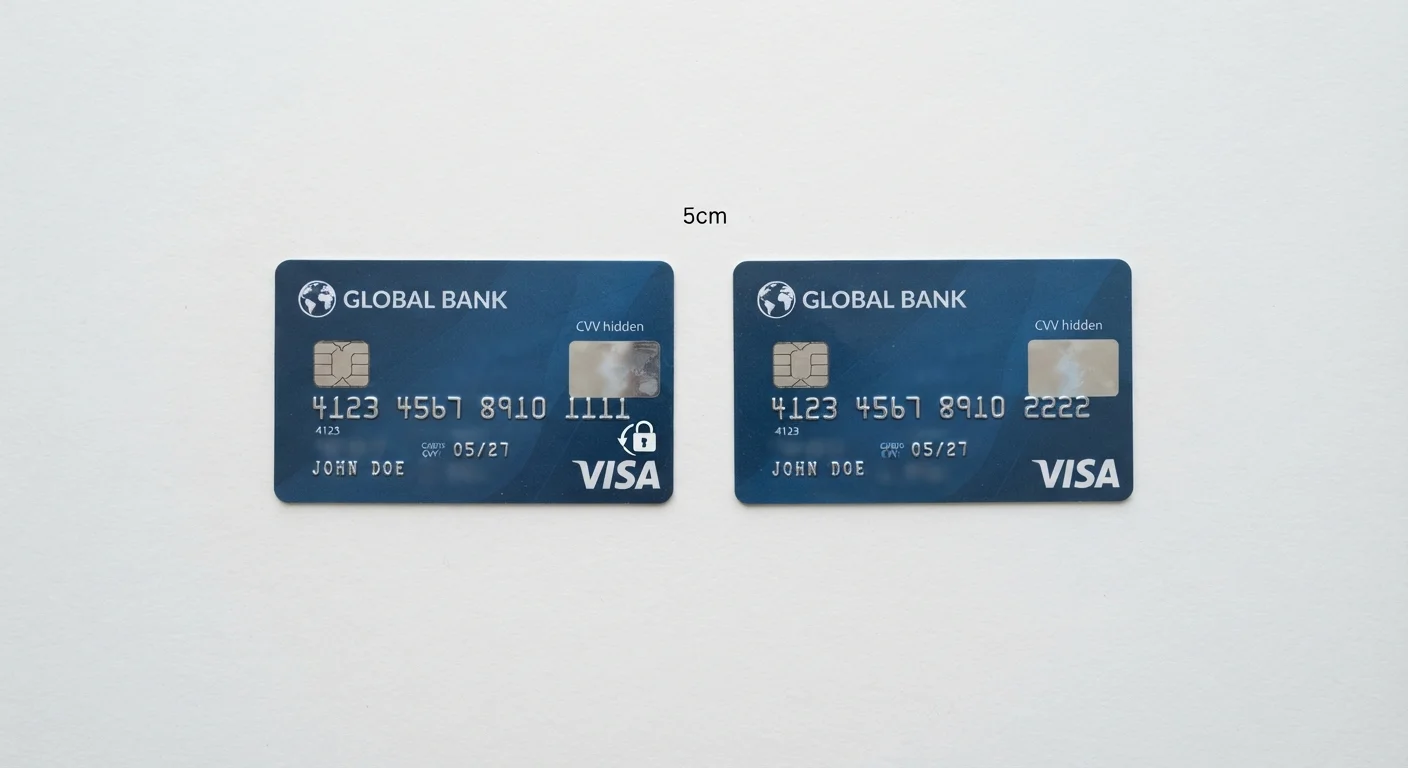
Secured and unsecured credit cards both function as revolving credit lines, but the structural difference — a required deposit versus none — shapes who qualifies and at what cost. Neither type is universally superior; the right fit depends on your current credit profile and goals.
| Best for | Recommended |
|---|---|
| Those building credit from scratch or recovering from past credit problems | Secured credit card |
| Those with established credit histories seeking broader purchasing flexibility | Unsecured credit card |
| Those ready to transition after demonstrating responsible secured card use | Unsecured credit card (upgrade path) |
The Core Structural Difference
Both secured and unsecured credit cards are revolving lines of credit — you borrow up to a set limit, make purchases, and repay over time. The fundamental difference is collateral. To understand the broader concept, it helps to understand how secured and unsecured debt differ more generally.
With a secured card, you provide a cash deposit upfront — typically ranging from $200 to $500, though amounts vary by issuer. That deposit is held by the card issuer and usually becomes your credit limit. It functions as collateral: if you default, the issuer can use the deposit to cover unpaid balances.
With an unsecured card, no deposit is required. The issuer extends credit based on your creditworthiness — primarily your credit history, income, and existing debt obligations. The issuer takes on more risk, which is why stronger credit profiles are typically required to qualify.
How Qualification Works for Each Type
Secured cards are specifically designed for people who have limited credit history — often called a "thin file" — or who have experienced credit problems in the past. Because the deposit reduces the issuer's risk, approval requirements are generally lower. Some secured cards are available even to people with no prior credit history at all.
Unsecured cards rely on the issuer's assessment of your ability and likelihood to repay. That assessment draws heavily on your credit score and the details in your credit report. It's worth noting that credit reports and credit scores are not the same thing — both matter, but they serve different roles in a lender's decision.
Applying for either card type typically triggers a hard inquiry on your credit file. Hard and soft inquiries affect your credit differently, so it's worth understanding that distinction before submitting multiple applications.
Side-by-Side Comparison
Here's how the two card types stack up across the key dimensions most consumers care about:
| Secured Card | Unsecured Card | |
|---|---|---|
| Deposit required | Yes — typically equals credit limit | No deposit required |
| Typical credit limit | Equal to deposit (e.g., $200–$500) | Set by issuer based on creditworthiness |
| Who typically qualifies | Limited or damaged credit history | Fair to excellent credit history |
| Credit bureau reporting | Yes, same as unsecured | Yes, standard reporting |
| Annual fees | Often present; varies by issuer | Varies widely; some have none |
| Interest rates (APR) | Often higher than unsecured average | Range widely by creditworthiness |
| Deposit refundable | Generally yes, when account closed in good standing | N/A — no deposit held |
| Upgrade path available | Often yes, after responsible use | N/A — already unsecured |
One point worth emphasizing: both card types report account activity to the major credit bureaus — Equifax, Experian, and TransUnion. That means on-time payments on a secured card build positive credit history the same way they would on an unsecured card. The card type itself doesn't change how credit reporting works.
~100M
Americans with thin or no credit files
The Consumer Financial Protection Bureau (CFPB) has estimated roughly 45 million adults have little or no scoreable credit history, making access to starter products like secured cards particularly relevant.
~20%
Average credit card APR in recent years
The Federal Reserve tracks average credit card interest rates; rates have risen notably in recent years, underscoring why carrying a balance on either card type is costly.
Costs and Trade-Offs to Know
Secured cards often carry annual fees, and their interest rates (APR) tend to run higher than average — though this varies by issuer. Since the deposit already reduces the issuer's risk, those fees may feel like an added burden, but they reflect the higher operational cost of serving customers with limited credit histories.
Unsecured cards span a wide range. Some carry no annual fee, while others charge hundreds of dollars annually in exchange for rewards and perks. Interest rates on unsecured cards are also variable, typically tied to your creditworthiness at the time of application.
Your Deposit Doesn't Protect You From Fees or Damage
A common misconception is that the security deposit acts as a safety net against credit damage. It doesn't. If you miss payments on a secured card, those late payments are reported to the credit bureaus just like any other delinquency. Your deposit exists to protect the issuer — not your credit score. Missing payments on a secured card can set back the credit-building goal you opened it for.
Both card types function as revolving debt, which behaves differently than installment loans over time. For more context, see how revolving and installment debt compare.
Treat Your Secured Card Like Any Other Card
A secured card works best as a credit-building tool when you use it for small, regular purchases and pay the full balance each month. That approach keeps interest charges at zero and demonstrates consistent, responsible behavior to credit bureaus. Many issuers review accounts periodically and may offer an upgrade to an unsecured card — or a credit limit increase — after several months of on-time payments.
Moving From Secured to Unsecured
A secured card is rarely meant to be permanent. Many issuers offer a formal upgrade path: after a period of responsible use — typically 12 to 18 months of on-time payments and low balances — the issuer may convert the account to an unsecured card and refund the deposit. Some issuers do this automatically; others require you to request the review.
Even if your current issuer doesn't offer an upgrade, the credit history you've built on the secured card will be visible to other lenders, improving your chances of qualifying for an unsecured card elsewhere. If you do eventually decide to close the secured card, understand the potential credit implications first — closing a card isn't always harmless.
This article is for general informational purposes only and does not constitute personalized financial or credit advice. Credit products, terms, and eligibility vary by issuer. Consult a qualified financial professional for guidance specific to your situation.
The content on this site is for informational purposes only and is not a substitute for professional advice. Always consult a qualified professional for guidance specific to your situation.