

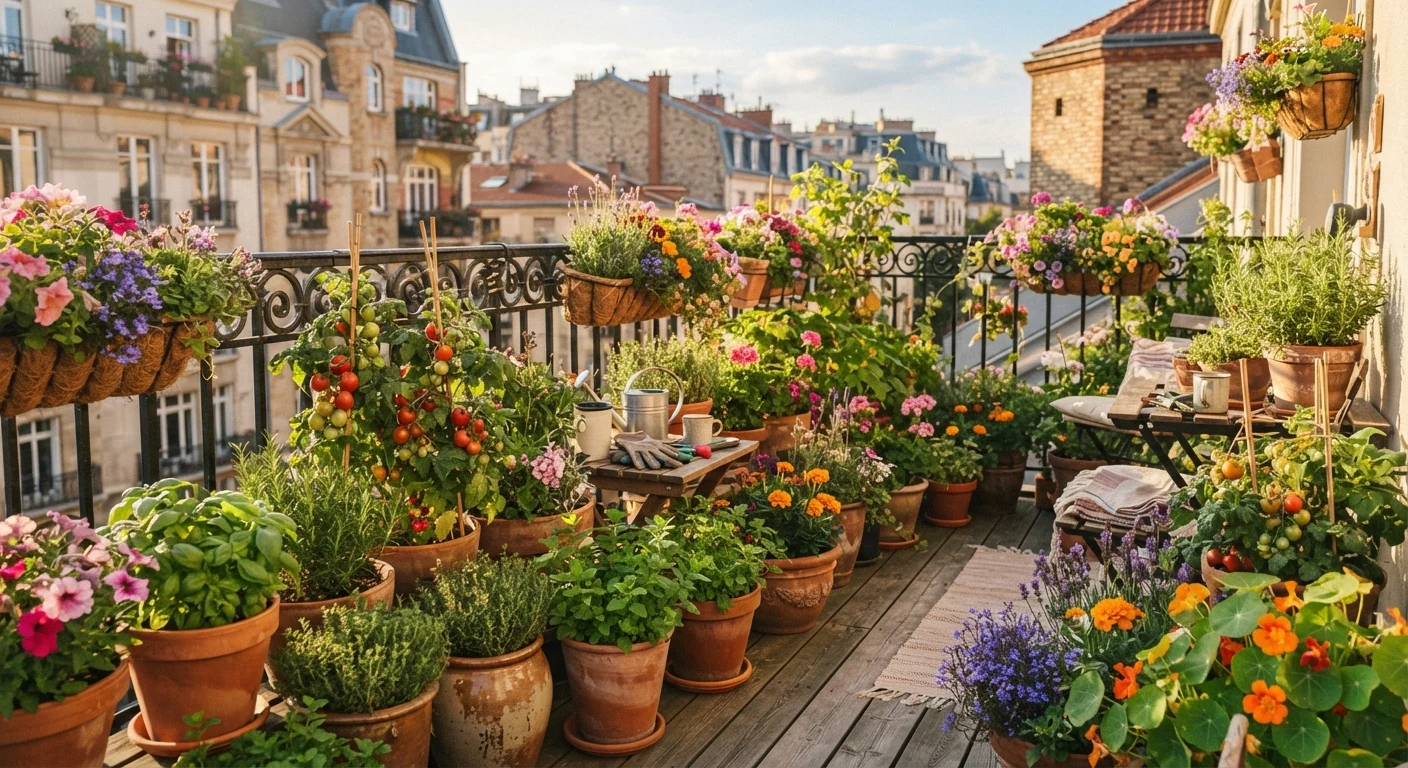
Why Container Gardening Works for Small Spaces
Container gardening lets you grow plants virtually anywhere - a fourth-floor balcony, a narrow concrete patio, a sunny doorstep, or a windowsill. Because the growing environment is entirely within the pot, you control the soil quality, drainage, and placement in ways that open-ground gardening rarely allows.
Unlike a traditional bed, containers can be moved to follow sunlight, brought indoors when frost threatens, and arranged to suit changing layouts. This flexibility makes them especially well-suited to renters or anyone working with limited square footage. If you're completely new to growing things outdoors, our beginner's guide to starting a garden covers foundational concepts that apply equally to container and in-ground growing.
Container gardening does demand more attention than a well-established bed - pots dry out faster, nutrients deplete more quickly, and roots have finite room to expand. Understanding these trade-offs upfront lets you plan and respond rather than troubleshoot failures.
80%
Of vegetables can be grown in containers
According to the University of Maryland Extension, the vast majority of common vegetables - including tomatoes, peppers, and leafy greens - adapt well to container culture with appropriate pot size.
2-3×
Faster moisture loss vs. ground beds
Container soil can lose moisture two to three times faster than open garden soil, particularly in terracotta pots or windy rooftop settings, making daily checks essential in summer.
4-6 weeks
Before nutrients in potting mix deplete
Most standard potting mixes exhaust their starter nutrient charge within four to six weeks of planting, after which supplemental fertilizing becomes necessary for continued growth.
Choosing the Right Containers
The container you choose affects drainage, root temperature, moisture retention, and even plant health. Material, size, and drainage hole placement all matter.
Material Options
- Terracotta: Breathable and attractive, but dries out quickly and can crack in hard freezes. Well-suited to Mediterranean herbs like rosemary and lavender.
- Plastic and resin: Lightweight, affordable, and retains moisture longer - helpful in hot climates. Quality varies; look for UV-stabilized options that resist brittleness.
- Fabric grow bags: Promote excellent air pruning of roots (the process by which root tips are naturally stopped at the container wall, encouraging lateral branching). Compact for storage when not in use.
- Glazed ceramic: Attractive and moisture-retentive, though heavy and sometimes expensive.
- Wood: Insulates roots well, but untreated wood can rot; cedar and redwood are naturally more durable.
Size Guidance
Bigger containers are more forgiving. A container that holds less than 2 gallons of soil dries out very fast and restricts root development. As a practical baseline:
- Herbs: 6-8 inch pots (individual) or a 12-inch pot for a mixed planting
- Salad greens and radishes: 8-10 inches deep
- Tomatoes and peppers: at least 5-gallon containers; 10-gallon or larger for indeterminate tomato varieties
- Dwarf fruit trees or large ornamentals: 15-25 gallon containers
Drainage Is Non-Negotiable
A container without adequate drainage holes will cause root rot regardless of how carefully you water. Check every pot before planting - drill additional holes if needed. Placing a layer of gravel at the bottom of a pot does not improve drainage and is a persistent gardening myth; it can actually raise the water table within the pot and worsen saturation.
Every container must have drainage holes. Roots sitting in waterlogged soil develop rot rapidly. If you're using a decorative outer pot (cachepot), remove the inner pot to drain after watering rather than letting it sit in standing water.
For a direct comparison of how containers differ from raised beds and open beds, see our raised beds vs. in-ground planting guide.
Getting the Soil Mix Right
Never fill containers with soil dug from your yard. Garden soil compacts in pots, reduces aeration, and can introduce pests and disease. A quality potting mix - a soil-free blend typically built around peat moss or coco coir, perlite, and compost - is formulated to drain freely while retaining enough moisture for roots.
What to Look for in a Potting Mix
- Lightweight and well-aerated (not dense or clumping when moist)
- Includes compost or worm castings for initial nutrient content
- May include moisture-retaining crystals or granules - useful for balconies exposed to drying wind
Improving Your Mix
You can customize a standard potting mix to suit specific plants:
- Add extra perlite (about 20% by volume) for succulents, cacti, or any plant requiring sharp drainage.
- Mix in finished compost to boost nutrients for heavy feeders like tomatoes. Our home composting guide explains how to produce your own.
- For acid-loving plants such as blueberries, use a potting mix formulated for acid-loving plants or amend pH carefully.
Group containers together on hot days. Clustered pots create a slightly more humid microclimate around foliage, slowing moisture evaporation and buffering roots against temperature extremes.
Individual pots in full sun on reflective concrete can see root-zone temperatures spike significantly above air temperature, stressing roots - clustering moderates this effect.
Before buying a container, lift it when it will be filled with moist soil - weight is the practical limiting factor on balconies. Lightweight potting mixes and fabric grow bags reduce load considerably.
Balcony weight limits are real structural considerations. A large glazed ceramic pot filled with wet soil can exceed 100 pounds; distributed load matters for safety and building regulations.
Refresh your potting mix each season. Over time, the structure breaks down, compaction increases, and salt residue from fertilizers accumulates. Either replace the mix entirely or top-dress with a 1-2 inch layer of compost each spring.
What to Grow: Vegetables, Herbs, and Flowers
A wide range of plants adapt well to container life. Focus on varieties bred or selected for compact growth - these are often labeled 'dwarf,' 'patio,' 'bush,' or 'container' on seed packets and plant tags.
Vegetables
- Tomatoes: Cherry and grape varieties outperform large slicer types in containers; look for determinate (bush) habits unless you have vertical support.
- Peppers: Both sweet and hot peppers are naturally compact and productive in pots.
- Salad greens: Lettuce, arugula, spinach, and mixed greens grow quickly in shallow containers and tolerate partial shade.
- Radishes and beets: Fast-maturing root crops that perform well in containers at least 8-10 inches deep.
- Green beans (bush type): Avoid pole varieties unless you can provide a trellis.
Herbs
Herbs are among the most rewarding container plants - compact, fragrant, and immediately useful in the kitchen. Basil, chives, parsley, cilantro, and mint all grow readily in pots. Note that mint spreads aggressively; always grow it in its own container to prevent it from crowding out neighbors. Grouping herbs with compatible needs - similar water and sun requirements - saves effort.
Pairing herbs thoughtfully also has practical benefits. Our companion planting guide outlines which plant combinations offer real advantages.
Flowers
Flowering plants bring pollinators to your balcony (important if you're growing food crops) and add color. Marigolds, nasturtiums, petunias, zinnias, and calibrachoa are all reliable performers in containers. Nasturtiums are edible, making them doubly useful in a small space.
Maximize Space With Vertical Planting
Wall-mounted pocket planters, tiered plant stands, and simple trellis panels can triple your planting capacity without adding floor space. Train climbing beans, small cucumbers, or flowering vines upward to keep the footprint compact. This is especially effective on narrow balconies where floor space is at a premium.
Watering and Feeding Your Containers
Inconsistent watering is the leading cause of container plant failure. Pots - especially terracotta and smaller containers - can dry out within 24 hours in summer heat. Check soil moisture daily during warm periods by pressing a finger an inch into the mix. If it feels dry at that depth, water thoroughly until liquid drains from the bottom holes.
Watering Principles
- Water deeply and less often rather than shallowly and frequently. Deep watering encourages roots to grow downward rather than clustering near the surface.
- Early morning is the preferred time; foliage dries before evening, reducing fungal disease risk.
- Self-watering containers with a built-in reservoir reduce the frequency of intervention - worth considering for frequent travelers or very hot exposures.
Feeding
Frequent watering leaches nutrients from potting mix much faster than from garden soil. Without regular feeding, container plants exhaust available nutrition within four to six weeks of potting. A balanced, slow-release granular fertilizer worked into the mix at planting provides a steady baseline. Supplement with a liquid fertilizer every two weeks during the active growing season - liquid feeds are quickly available to roots and allow you to adjust the type (higher nitrogen for leafy growth, higher potassium and phosphorus for fruiting crops) as plants develop.
Avoid Over-Fertilizing
More fertilizer is not always better. Excessive nitrogen produces lush, leafy growth at the expense of fruiting and makes plants more attractive to aphids. Salt accumulation from over-feeding can burn roots and show as brown leaf margins. Stick to label rates and flush pots occasionally with plain water to clear mineral buildup.
For a broader view of seasonal feeding and maintenance rhythms, our year-round garden maintenance guide is a useful companion reference.
Troubleshooting Common Container Garden Problems
Even well-tended containers run into difficulties. Recognizing symptoms early gives you the best chance to correct course.
Yellowing Leaves
Yellowing across older, lower leaves typically signals nitrogen deficiency - respond with a balanced liquid feed. Yellowing between leaf veins on newer growth may indicate iron or magnesium deficiency, often linked to overly alkaline or waterlogged soil.
Wilting Despite Moist Soil
If a plant wilts even though the soil is wet, root rot is the likely cause. Inspect roots; healthy roots are white or tan, while rotten roots are brown, mushy, and foul-smelling. Remove affected roots, allow the mix to dry slightly, and ensure drainage holes are unobstructed.
Leggy, Weak Growth
Stretched, weak stems indicate insufficient light. Move the container to a sunnier position if possible, or choose shade-tolerant plants for low-light balconies.
Pest Pressure
Aphids, spider mites, fungus gnats (which breed in consistently wet topsoil), and whiteflies are the most common container pests. A strong stream of water dislodges many soft-bodied insects. Allowing the top inch of soil to dry between waterings discourages fungus gnats. Inspect plants regularly - catching infestations early is far easier than managing established populations.
If you're comparing container gardening against other low-effort approaches, our article on designing a low-maintenance garden offers helpful context on trade-offs between beauty and upkeep.
Balcony Load Limits and Local Rules
Before adding many large, heavy containers to a balcony, check your building's load-bearing specifications - especially in apartment buildings. Some municipalities or HOAs also have rules about balcony alterations, including large planter installations. When in doubt, consult your building manager or a structural professional.
The content on this site is for informational purposes only and is not a substitute for professional advice. Always consult a qualified professional for guidance specific to your situation.